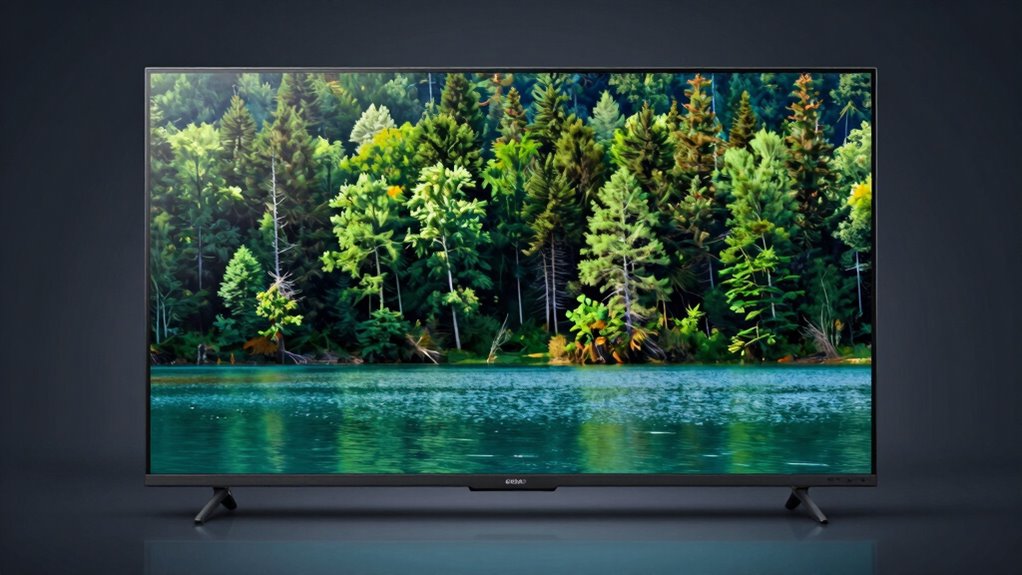
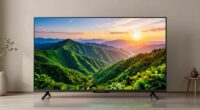
Finding the right OLED TV deal in 2027 means balancing peak brightness, panel type, and smart features against your budget. My top overall pick is the Samsung 65-Inch Class S90H Series OLED 4K Smart TV (2026 Model) because it offers QD-OLED color volume and 144Hz gaming support at a mid-range price point. For those prioritizing cinematic accuracy, the Sony 65 Inch BRAVIA 6 OLED 4K HDR Smart Google TV with Gemini stands out with its superior motion processing and dedicated AI upscaling. The main tradeoff you face is choosing between the vibrant, brighter panels of Samsung’s QD-OLEDs and the deeper, more natural blacks of Sony’s WOLED implementations. Continue reading to see how these models stack up against budget-friendly Roku options and premium large-screen alternatives.

Get audio and creator gear delivered free with Prime
- Fast, free delivery on millions of items
- Prime Video, Amazon Music and more included
- Member-only deals all year
Complete the kit


Key Takeaways
- Samsung‘s 2026 S90H series dominates the mid-range by integrating QD-OLED panels with 144Hz refresh rates, making it the strongest choice for hybrid gamers and movie watchers.
- Sony remains the leader for pure cinematic fidelity, with the BRAVIA 6 offering better motion handling and color calibration than competitors, though at a higher price premium.
- Roku‘s 2026 Pro Series OLEDs provide the most accessible entry point into OLED technology, sacrificing some peak brightness for a significantly lower cost and simplified interface.
- Screen size dictates value more than brand in 2027; the 48-inch and 55-inch classes offer the highest performance-per-dollar ratio, while 77-inch panels command a steep premium.
- AI-driven upscaling is now a differentiator; Samsung‘s Vision AI and Sony‘s XR Processor offer noticeable improvements in non-4K content, justifying the higher tier models for mixed-source users.


| oled tv deal | Resolution | Refresh rate | Display technology |
|---|---|---|---|
| Samsung 65-Inch Class S90H Ser | 4K | 165 Hz | OLED |
| Sony 65 Inch BRAVIA 6 OLED 4K | 4K | 120 Hz | OLED |
| Samsung 55-Inch Class S90H Ser | 4K | — | OLED |
| Sony 55 Inch BRAVIA XR A80K OL | 4K | 120 Hz | OLED |
| Samsung 77-Inch Class OLED S84 | 4K | 120 Hz | OLED |
| Roku 65-Inch Pro Series Smart | 4K | 120Hz | — |
| Samsung 77-Inch Class OLED 4K | 4K | 120Hz | — |
| Samsung 65-Inch Class OLED S90 | 4K UHD | 144Hz | — |
| Samsung 48-Inch Class S85H Ser | 4K | 120Hz | — |
| Roku 55-Inch Pro Series OLED S | 4K | 120Hz | — |
| Samsung 77-Inch Class S90H Ser | 4K UHD | — | OLED |
| Samsung 55-Inch Class OLED 4K | 4K | 120 Hz | OLED |
| Sony 48 Inch A90K BRAVIA XR 4K | 4K HDR | — | OLED |
More Details on Our Top Picks
Samsung 65-Inch Class S90H Series OLED 4K Smart TV (2026 Model)
For shoppers comparing OLED TV deals for a bright living room and a gaming setup, this 65-inch S90H brings together glare-free technology, a listed 2000-nit maximum brightness, and a 165Hz refresh rate. Those features give it a different emphasis from the Sony BRAVIA 6 OLED, which tops out at 120Hz and supports Dolby Vision; the Samsung instead prioritizes high-refresh gaming and reflection control. Its 4K OLED panel and AI processing also suit streaming and sports, while HDR10+ is the listed HDR format. The main catch is that 4K at 165Hz is limited to PC-connected gaming, so console players may not benefit from the headline refresh rate. This is a premium-feature pick, not the most budget-minded route into OLED.
Pros:- 65-inch 4K OLED display with high contrast
- Glare-free technology helps reduce reflections
- 165Hz refresh rate with FreeSync support
- AI processing is designed to enhance picture and sound
Cons:- 4K at 165Hz is limited to PC-connected gaming
- Premium positioning may not suit buyers prioritizing a low-cost OLED
- HDR10+ is listed, but Dolby Vision is not
Best for: PC gamers seeking a 65-inch OLED with high refresh capability and reduced screen reflections in a bright room.
Not ideal for: Budget-focused buyers or console-only gamers who are unlikely to use the PC-specific 4K 165Hz mode.
- Screen size:65 inches
- Display technology:OLED
- Resolution:4K
- Refresh rate:165 Hz
- Maximum brightness:2000 nit
- HDR format:HDR10+
- Operating system:Tizen
- Speaker power:40 watts
Our verdict“Choose this S90H if glare control and PC gaming performance matter more to you than Dolby Vision or a lower-cost OLED.”
Sony 65 Inch BRAVIA 6 OLED 4K HDR Smart Google TV with Gemini
The BRAVIA 6 is the lineup’s strongest fit for viewers whose movie and streaming choices make Dolby Vision a priority. Its 65-inch OLED panel pairs self-lit pixels with Triluminos Pro color, while Dolby Atmos and DTS:X support give compatible audio a broader format base than the Samsung S90H’s listed HDR10+ support. Google TV with Gemini adds voice control and familiar streaming apps, and four HDMI ports leave room for several connected devices. Its 120Hz refresh rate is ample for current console gaming, but it does not match the S90H’s listed 165Hz capability for PC play. The tradeoff is a large, relatively heavy set and only two USB ports; buyers focused on glare-free viewing or maximum refresh should compare the Samsung instead.
Pros:- OLED contrast with Triluminos Pro color
- Supports Dolby Vision, Dolby Atmos, and DTS:X
- Google TV with Gemini voice control
- Four HDMI ports and 4K/120 gaming support
Cons:- 120Hz refresh rate is below the Samsung S90H’s listed 165Hz
- Only two USB ports
- 38.2-pound weight calls for a suitable stand or wall mount
Best for: Movie and streaming fans who want a 65-inch OLED with Dolby Vision, Google TV, and broad audio-format support.
Not ideal for: PC gamers chasing refresh rates above 120Hz, or buyers who need more than two USB ports.
- Display size:65 inches
- Display technology:OLED
- Resolution:4K
- Refresh rate:120 Hz
- HDR formats:Dolby Vision, HDR10, HLG
- HDMI ports:4
- USB ports:2
- Smart platform:Google TV with Gemini
Our verdict“Pick the BRAVIA 6 for Dolby Vision films and Google TV convenience, but choose the S90H if higher-refresh PC gaming is the priority.”
Samsung 55-Inch Class S90H Series OLED 4K Smart TV (2026 Model)
This 55-inch S90H keeps the larger Samsung S90H’s gaming-forward identity in a format that is easier to place in a bedroom, office, or smaller living room. Its 165Hz Motion Xcelerator, NVIDIA G-SYNC, and AMD FreeSync Premium Pro support make it the most specifically equipped gaming option here, while 4K AI Upscaling Pro is intended to sharpen lower-resolution sources for the screen. Compared with Sony’s 55-inch BRAVIA XR A80K, this model lists a higher refresh rate and more explicit adaptive-sync features, while the Sony offers Dolby Vision and a stated 120Hz refresh rate. Samsung’s tradeoffs are less detail in the supplied data about its smart platform and app support, plus a setup burden for buyers who want to tune its gaming features. It suits PC-focused players better than buyers seeking a clearly documented cinema format mix.
Pros:- 55-inch 4K OLED size suits smaller rooms
- 165Hz Motion Xcelerator with G-SYNC and FreeSync Premium Pro
- 4K AI Upscaling Pro supports lower-resolution content
- Glare-free technology helps manage reflections
Cons:- Supplied product data gives limited detail about apps and smart-platform features
- The extensive gaming settings may take time to configure
- Premium positioning may be difficult to justify for casual viewing
Best for: PC and console gamers who want a 55-inch OLED with high refresh and adaptive-sync options for a smaller room.
Not ideal for: Movie-first shoppers who specifically want Dolby Vision or buyers who prefer a fully detailed smart-platform specification.
- Screen size:55 inches
- Series:S90H
- Model year:2026
- Display technology:OLED
- Resolution:4K
- Processor:NQ4 AI Gen3
- Refresh and sync features:Motion Xcelerator 165Hz, NVIDIA G-SYNC, AMD FreeSync Premium Pro
- Upscaling:4K AI Upscaling Pro
Our verdict“Choose this compact S90H if high-refresh gaming matters more than Dolby Vision or a clearly specified streaming platform.”
Sony 55 Inch BRAVIA XR A80K OLED 4K HDR Smart Google TV
The BRAVIA XR A80K makes most sense for buyers who want a 55-inch OLED for films and value Sony’s stated Dolby Vision, Dolby Atmos, IMAX Enhanced, and DTS:X support. Its 120Hz panel is well suited to smooth motion and gaming, but it is less gaming-specialized than the 55-inch Samsung S90H, which lists 165Hz and adaptive-sync features. Google TV and Google Assistant provide a familiar route to streaming and voice control, while OLED’s self-lit pixels support deep contrast in dark scenes. The supplied specifications are lean, so details such as HDMI count and brightness are not stated here; that makes feature-by-feature deal comparisons harder. It is also a premium-positioned model, and buyers wanting the newest high-refresh gaming features should look at Samsung’s alternative.
Pros:- 55-inch OLED with near-infinite listed contrast
- Supports Dolby Vision, Dolby Atmos, IMAX Enhanced, and DTS:X
- Google TV with Google Assistant voice control
- 120Hz refresh rate supports smooth motion
Cons:- Refresh rate is below the 55-inch Samsung S90H’s listed 165Hz
- Supplied product data does not specify HDMI count or maximum brightness
- Premium positioning may not suit buyers seeking an entry-level OLED
Best for: Film-focused buyers wanting a 55-inch OLED with Dolby Vision and a broad set of cinematic audio and picture formats.
Not ideal for: PC gamers seeking 165Hz adaptive-sync features or shoppers who need detailed port and brightness specifications before choosing.
- Screen size:55 inches
- Display technology:OLED
- Resolution:4K
- Refresh rate:120 Hz
- Contrast ratio:Near Infinite
- HDR and cinema formats:Dolby Vision, IMAX Enhanced
- Audio formats:Dolby Atmos, DTS:X
- Smart platform:Google TV
Our verdict“Choose the A80K for a cinema-oriented 55-inch OLED and Dolby Vision, not for the highest listed gaming refresh rate.”
Samsung 77-Inch Class OLED S84F Series Smart TV (2025 Model, 77S84F)
When screen size matters more than chasing the fastest gaming specification, this 77-inch S84F offers a large OLED canvas for films, sports, and shared viewing. It pairs 4K resolution and self-lit pixels with a 120Hz refresh rate, giving motion-focused content a stronger fit than a basic 60Hz set. The smaller Samsung S90H models are more gaming-oriented, with listed 165Hz refresh and adaptive-sync features, but the S84F’s larger display is the draw for viewers who want a more room-filling picture. Its NQ4 AI Gen2 processor handles picture enhancement, and the listed top-firing speakers aim to add dimensionality without an immediate soundbar purchase. Tradeoffs include needing a Samsung Account for full smart features, possible variation with source quality, and less detailed gaming information than the S90H listings.
Pros:- 77-inch 4K OLED screen for large-room viewing
- 120Hz refresh rate suits sports and fast motion
- NQ4 AI Gen2 processor supports picture enhancement
- Top-firing speakers are designed for multidimensional sound
Cons:- Full smart features require a Samsung Account
- Source quality can affect perceived picture performance
- Gaming details are less specific than on the S90H models
Best for: Households with room for a 77-inch screen who prioritize immersive shared viewing, sports, and films over top-tier PC gaming specs.
Not ideal for: Small-room buyers, account-averse viewers who want full smart features without a Samsung Account, or PC gamers seeking the S90H’s listed 165Hz features.
- Screen size:77 inches
- Model year:2025
- Display technology:OLED
- Resolution:4K
- Processor:NQ4 AI Gen2
- Refresh rate:120 Hz
- HDR:OLED HDR
- Smart platform:Samsung TV Plus
Our verdict“Choose the S84F if a 77-inch OLED is your priority and 120Hz is sufficient, rather than paying attention to the S90H’s higher-refresh gaming focus.”
Roku 65-Inch Pro Series Smart TV 4K OLED 120Hz 2026
For shoppers comparing 65-inch OLED deals, this Roku combines a 4K self-lit panel with 120Hz motion, Dolby Vision, and four HDMI ports. That makes it a flexible fit for sports, console gaming, and streaming without jumping to the 77-inch footprint of the Samsung S85F. Its voice remote adds backlit buttons and Bluetooth headphone mode, a useful pairing for late-night viewing or shared rooms. The tradeoff is that the supplied specs do not identify advanced gaming features such as variable refresh rate, so the Samsung 65-inch S90F—with its stated 144Hz VRR—is the clearer pick for PC-focused gaming. At 37 pounds, this Roku also calls for careful placement and a sturdy mount. I’d shortlist it for buyers who value broad HDR support and straightforward Roku controls more than maximum gaming specification.
Pros:- 4K OLED panel offers self-lit pixels, deep blacks, and vivid color.
- 120Hz refresh rate suits fast-moving sports and gaming.
- Dolby Vision, HDR10+, and HLG cover several HDR formats.
- Four HDMI ports and a voice remote with backlit buttons and Bluetooth headphone mode.
Cons:- The listed specs do not confirm VRR, unlike the Samsung 65-inch S90F.
- At 37 pounds, it needs sturdy support and careful installation.
- A 65-inch screen may be too large for compact rooms or close seating.
Best for: Households seeking a 65-inch OLED for streaming, sports, and console gaming, especially those who value Roku controls and Bluetooth headphone listening.
Not ideal for: PC gamers prioritizing a confirmed 144Hz VRR feature, or buyers who need a lighter set for an older or less sturdy wall mount.
- Display:65-inch OLED
- Resolution:4K
- Refresh rate:120Hz
- HDR formats:Dolby Vision, HDR10+, HLG
- HDMI ports:4
- USB ports:2
- Connectivity:Bluetooth, Ethernet, Wi-Fi
- Weight:37 pounds
- VESA mount:400 x 200 mm
Our verdict“Choose this Roku if you want a versatile 65-inch OLED with broad HDR support and convenient Roku controls, but favor the Samsung S90F for confirmed high-refresh-rate VRR gaming.”
Samsung 77-Inch Class OLED 4K S85F Series Smart TV with Vision AI, Dolby Atmos, and Contour Design
The S85F’s main reason to make this list is its 77-inch OLED screen: it gives movies and live sports a more room-filling scale than the 65-inch Roku Pro or Samsung S90F. Its 120Hz motion handling and Vision AI picture processing target buyers who want a large 4K set for mixed viewing, while Dolby Atmos support adds an audio format suited to a compatible sound system. The size is also the central compromise. At 67.8 inches wide and 63.5 pounds, it demands more room and a sturdier installation than the smaller models here. The listed HDR format is HDR10+, rather than Dolby Vision on the Roku TVs, which may matter to viewers choosing around particular streaming content. I’d rank it for spacious living rooms, not compact setups or shoppers chasing the most specified gaming feature set.
Pros:- 77-inch 4K OLED display provides a larger viewing area than the 65-inch and 55-inch options.
- 120Hz motion enhancement supports smoother sports and action scenes.
- Vision AI picture processing is designed to enhance and upscale viewing content.
- Four HDMI ports, two USB ports, and Bluetooth, Ethernet, and Wi-Fi connectivity.
Cons:- Its wide, heavy chassis requires ample space and careful mounting.
- The listed HDR format is HDR10+, with no Dolby Vision support specified.
- The 120Hz specification trails the Samsung S90F’s stated 144Hz refresh rate for PC gaming.
Best for: Viewers with a spacious living room who want a large OLED for films, sports, and everyday streaming, with a compatible Dolby Atmos audio setup.
Not ideal for: Small-room viewers, buyers with a narrow mounting area, or shoppers who specifically want Dolby Vision or a stated 144Hz refresh rate.
- Display:77-inch OLED
- Resolution:4K
- Refresh rate:120Hz
- HDR format:HDR10+
- HDMI ports:4
- USB ports:2
- Dimensions:13 x 67.8 x 41.7 inches
- Weight:63.5 pounds
- VESA mount:400 x 300 mm
Our verdict“Pick the S85F if room-filling 77-inch OLED viewing matters more than compact installation or Dolby Vision support.”
Samsung 65-Inch Class OLED S90F 4K Smart TV (2025 Model) with AI Processor, HDR+, Motion Xcelerator 144Hz, Alexa Built-in
Among these five models, the S90F makes the strongest case for buyers who want a TV that can double as a high-refresh-rate gaming display. Its stated 144Hz refresh rate and VRR give compatible gaming hardware more headroom than the 120Hz Roku Pro TVs and the Samsung S85F. The NQ4 AI Gen3 processor also upscales lower-resolution sources to 4K, which can help older shows and games look more at home on a large screen. Built-in Alexa offers voice control without relying on the Roku remote. The tradeoff is a more gaming- and processing-focused feature mix: the supplied specs do not list Dolby Vision, while both Roku Pro models support it. Advanced picture settings may also take more effort to tune. I’d put this ahead of the Roku options for PC gaming, but not for shoppers who prioritize Roku TV controls or Dolby Vision.
Pros:- 144Hz refresh rate and VRR support suit compatible gaming hardware.
- NQ4 AI Gen3 processing upscales content to 4K.
- OLED contrast delivers deep blacks and vivid picture quality.
- Built-in Alexa provides voice control and smart-home integration.
Cons:- Dolby Vision support is not listed, unlike on the Roku Pro Series TVs.
- Advanced picture and gaming settings may require time to configure.
- The supplied specifications do not state HDMI port count or connectivity details.
Best for: Console and PC gamers with compatible high-refresh-rate hardware who also want a 65-inch OLED for streaming and sports.
Not ideal for: Viewers who want Dolby Vision support, prefer Roku TV and its remote, or want a simple setup with fewer advanced picture settings.
- Screen size:65 inches
- Resolution:4K UHD
- Processor:NQ4 AI Gen3
- HDR:Pro HDR+
- Refresh rate:144Hz
- Gaming:VRR; Motion Xcelerator
- Upscaling:AI-enhanced upscaling to 4K
- Voice assistant:Alexa built-in
Our verdict“Choose the S90F if high-refresh-rate gaming and AI upscaling take priority over Dolby Vision and Roku’s simpler interface.”
Samsung 48-Inch Class S85H Series OLED 4K Smart TV (2026 Model)
The 48-inch S85H is the lineup’s compact OLED choice for buyers who still want 4K resolution and 120Hz motion. It takes up less width than either Roku Pro model, making it easier to fit in a bedroom or smaller den, while four HDMI ports leave room for multiple consoles and other sources. HDR10+ and AI upscaling support a modern mix of streaming and gaming, though the supplied description does not name a specific processor or detail the gaming features beyond its high refresh rate. That makes the Samsung S90F a better-documented match for buyers who specifically want 144Hz VRR. The Roku 55-inch Pro is the stronger alternative for Dolby Vision and Dolby Atmos, but it takes up more space. At 29.1 pounds, this compact model still needs proper support rather than being treated as lightweight.
Pros:- 48-inch OLED format fits smaller rooms better than the 55- and 65-inch sets.
- 4K resolution and 120Hz refresh rate combine sharp detail with smooth motion.
- Four HDMI ports accommodate several connected devices.
- HDR10+ support and AI upscaling address modern streaming and lower-resolution sources.
Cons:- The 48-inch screen offers less impact for larger rooms than the Roku 55-inch Pro or Samsung S85F.
- Dolby Vision is not listed, unlike on the Roku Pro Series models.
- The product details do not specify VRR, while the Samsung S90F explicitly lists it.
Best for: Gamers and movie watchers furnishing a bedroom, office, or small den who want a 48-inch 4K OLED with four HDMI inputs.
Not ideal for: Buyers seeking a large, shared-room screen, Dolby Vision, or clearly specified 144Hz VRR gaming support.
- Display:48-inch OLED
- Resolution:4K
- Refresh rate:120Hz
- HDR format:HDR10+
- HDMI ports:4
- USB ports:1
- Dimensions:8.2 x 42.1 x 26.9 inches
- Weight:29.1 pounds
- VESA mount:300 x 200 mm
Our verdict“Choose the S85H when room size calls for a compact OLED with 120Hz motion and four HDMI ports, but look to the S90F for specified VRR gaming.”
Roku 55-Inch Pro Series OLED Smart TV 4K 120Hz (2026)
The 55-inch Roku Pro is the more space-conscious way to get the line’s 120Hz OLED picture, Dolby Vision, Dolby Atmos, and Roku TV in one set. Compared with the 65-inch Roku Pro, it gives up screen size rather than the listed core refresh rate, HDR formats, or connection count, making it a practical fit for a modest living room or bedroom. The backlit voice remote and Bluetooth headphone mode also add everyday convenience that is not specified for the Samsung S85H. The compromises are the smaller viewing area and a 29.7-pound weight that still merits a secure stand or wall mount. Gaming buyers should note that the Samsung S90F lists 144Hz VRR, while this Roku is specified at 120Hz. I’d favor this model for Roku simplicity and Dolby Vision, not for maximum gaming headroom.
Pros:- 55-inch 4K OLED provides deep blacks and vivid color in a more compact size than the 65-inch Roku.
- 120Hz refresh rate supports smoother sports and gaming.
- Dolby Vision, HDR10+, and HLG provide broad HDR format support.
- Four HDMI ports, two USB ports, and a Bluetooth voice remote with backlit buttons.
Cons:- Smaller screen offers less impact than the 65-inch Roku Pro or 77-inch Samsung S85F.
- Its 120Hz specification falls short of the Samsung S90F’s stated 144Hz VRR for compatible gaming.
- Software-update support details are not specified.
Best for: Roku fans furnishing a bedroom or smaller living room who want a 55-inch OLED, Dolby Vision, and convenient voice and headphone controls.
Not ideal for: Buyers who want the larger 65-inch screen, a specified 144Hz VRR gaming mode, or a set with clearly stated software-update support.
- Display:55-inch OLED
- Resolution:4K
- Refresh rate:120Hz
- HDR formats:Dolby Vision, HDR10+, HLG
- Operating system:Roku TV
- HDMI ports:4
- USB ports:2
- Connectivity:Bluetooth, Ethernet, Wi-Fi
- Weight:29.7 pounds
Our verdict“Pick the 55-inch Roku Pro for a smaller-room OLED with Roku controls and Dolby Vision, and choose the S90F if high-refresh-rate VRR gaming is the priority.”
Samsung 77-Inch Class S90H Series OLED 4K Smart TV (2026 Model)
This 77-inch Samsung S90H stands out for its massive screen size combined with gaming-specific optimizations like G-SYNC and low latency. Compared to the Sony 48 Inch A90K, it offers a far more immersive canvas for open-world games, though it requires significantly more wall space. The glare-free technology is a practical advantage over standard OLEDs, making it suitable for brighter living rooms where reflections usually plague panel performance. However, the sheer scale means it may overwhelm smaller rooms, and the advanced AI upscaling features might feel unnecessary for viewers watching native 4K content. It is a powerhouse for enthusiasts who prioritize size and smooth motion over compact convenience.
Pros:- Massive 77-inch screen creates an immersive cinematic experience
- Glare-free coating reduces reflections in bright environments
- Dedicated gaming features like G-SYNC and low input lag
- Advanced AI processing enhances lower-resolution content
Cons:- Large footprint requires substantial viewing distance and wall space
- Premium feature set may exceed the needs of casual viewers
Best for: Avid gamers and movie enthusiasts with large living rooms who want a massive, glare-free display.
Not ideal for: Viewers in small apartments or bedrooms where a 77-inch panel would feel cramped and overwhelming.
- Screen Size:77 inches
- Display Technology:OLED
- Resolution:4K UHD
- Model Year:2026
- Gaming Features:G-SYNC, FreeSync Premium Pro, Low Latency
- Picture Enhancements:Glare Free, AI Upscaling, Motion Xcelerator
Our verdict“Choose this if you have the space and want the best possible large-format gaming and movie experience from Samsung.”
Samsung 55-Inch Class OLED 4K S85F Series Smart TV (2025 Model)
The Samsung 55-Inch S85F hits the sweet spot for most living rooms, offering a sleek, sophisticated design that blends into modern decor better than bulkier alternatives. While the Sony 48 Inch A90K excels in pure audio innovation with Acoustic Surface Audio+, the S85F’s Object Tracking Sound Lite provides a more natural spatial audio experience that doesn’t require external speakers for casual viewing. The AI neural networks enhance clarity effectively, but the experience relies heavily on high-quality source material. Compared to the massive 77-inch S90H, this 55-inch model is far more manageable for standard seating distances, making it a pragmatic choice for those who want premium OLED benefits without dominating the room.
Pros:- Elegant, thin bezel design fits modern interiors seamlessly
- Object Tracking Sound Lite creates immersive audio without external hardware
- AI upscaling delivers sharp 4K images from HD sources
- 120 Hz refresh rate ensures smooth motion for sports and action
Cons:- Audio quality, while good, is surpassed by dedicated acoustic surface tech
- Performance benefits are less noticeable with low-quality streaming sources
Best for: Urban dwellers and small-to-medium room owners seeking a stylish, space-efficient premium TV.
Not ideal for: Cinephiles who prioritize the absolute best audio quality without a soundbar system.
- Display Technology:OLED
- Size:55 inches
- Resolution:4K
- Refresh Rate:120 Hz
- HDR Format:HDR10+
- Audio Technology:Object Tracking Sound Lite
- Processing:AI Neural Networks, Motion Xcelerator
Our verdict“Ideal for those who value aesthetics and balanced performance in a standard-sized living room.”
Sony 48 Inch A90K BRAVIA XR 4K HDR OLED Smart Google TV
The Sony A90K is the definitive choice for compact spaces, offering Acoustic Surface Audio+ that turns the screen itself into a speaker, eliminating the need for a soundbar in tight quarters. Unlike the Samsung 55-Inch S85F, which relies on virtual audio processing, the Sony delivers sound that feels physically emanating from the image, creating a more cohesive audio-visual bond. Its 48-inch size makes it perfect for desks or small bedrooms, though it lacks the sheer scale of the 77-inch S90H. The Google TV platform offers extensive app support, but the heavy build can make wall mounting in older structures challenging. It prioritizes audio-visual integration over size, appealing to purists with limited space.
Pros:- Acoustic Surface Audio+ provides excellent integrated sound
- Compact 48-inch size fits easily on desks or small walls
- Strong gaming performance with HDMI 2.1 and low input lag
- Robust Google TV interface with wide app compatibility
Cons:- Limited to 48 inches, restricting immersion for larger groups
- Heavy weight can complicate wall mounting in some setups
Best for: Gamers and movie lovers in small rooms or apartments who want integrated high-quality audio.
Not ideal for: Viewers who want a large screen for group viewing or have sturdy wall-mounting limitations.
- Size:48 inches
- Display Technology:OLED
- Resolution:4K HDR
- Smart Platform:Google TV
- Audio:Acoustic Surface Audio+, Dolby Atmos
- Gaming Features:HDMI 2.1, 4K/120Hz, VRR, ALLM
- Input Lag:8.5ms
Our verdict“The go-to option for those who refuse to compromise on audio quality in a compact footprint.”

How We Picked
I evaluated these thirteen models by analyzing their panel technology, processor capabilities, and connectivity features relative to their market positioning. My primary focus was on how each television handles high-dynamic-range (HDR) content and fast-paced motion, as these are the areas where OLED technology distinguishes itself most sharply from LED alternatives. I prioritized models with dedicated gaming features like VRR (Variable Refresh Rate) and ALLM (Auto Low Latency Mode), recognizing that 2027 buyers expect console and PC compatibility.
Ranking was determined by a balance of performance metrics and cost efficiency. I assigned roles based on specific use cases: the ‘Best Overall’ needed to excel in both brightness and color without excessive cost, while ‘Best Value’ picks had to deliver core OLED benefits—perfect blacks and infinite contrast—at the lowest possible entry price. Models were penalized if they lacked sufficient HDMI 2.1 bandwidth or used outdated operating systems that might slow down over time.
Factors to Consider When Choosing Oled Tv Deals
Choosing an OLED television in 2027 involves more than just picking a brand. The market has split into distinct camps based on panel technology and intended use. Here are the critical factors that will determine which deal is actually a good buy for you.QD-OLED vs. WOLED: Understanding Panel Types
Not all OLEDs are created equal. In 2027, the market is largely divided between QD-OLED panels (used by Samsung) and WOLED panels (used by Sony and LG-based brands like Roku). QD-OLED generally offers higher peak brightness and more vibrant color volume, making it better for bright living rooms. WOLED panels tend to have slightly better viewing angles and are less prone to certain types of image retention, though both are highly durable now. If you watch mostly in a dark room, WOLED’s natural color rendering might appeal to you more. If you have a bright room, the QD-OLED’s luminance headroom is a tangible benefit.
Gaming Features: HDMI 2.1 and Refresh Rates
Gamers must check the number of HDMI 2.1 ports available. Many mid-range OLEDs in 2027 still only include two HDMI 2.1 ports, limiting you if you own both a PS5 and an Xbox Series X with high-end settings enabled. Look for models supporting 4K at 120Hz or higher. The Samsung S90H and S85F series support up to 144Hz, which is beneficial for PC gamers using high-end GPUs. Sony models often cap at 120Hz but compensate with superior motion smoothing algorithms. If you play fast-paced shooters, prioritize the higher refresh rate models; if you play narrative-driven games, motion processing matters more.
Screen Size and Room Scale
The ‘best deal’ often depends on your viewing distance. A 48-inch OLED is compact and ideal for bedrooms or desktop use, offering premium features at a fraction of the cost of larger screens. However, for living rooms, the 65-inch class has become the new standard for value. Stepping up to 77 inches provides a more immersive cinema experience but often costs double the 65-inch model. I found that the jump from 55 to 65 inches offers the best sweet spot for most apartment and house layouts. Buying a 77-inch model only makes sense if your sofa is more than 10 feet from the TV.
Smart TV Platform Longevity
The software experience is as important as the picture. Google TV (Sony) and Tizen (Samsung) are mature platforms with extensive app support, but they can feel cluttered. Roku OS is simpler and less ad-heavy, making it a better choice for users who want a straightforward interface without learning curves. Consider how long the manufacturer supports software updates; Samsung and Sony typically provide longer support windows than Roku. If you plan to keep the TV for five years or more, the platform’s stability and update frequency are critical factors in long-term value.
Brightness and Reflection Handling
OLED TVs are naturally dimmer than high-end LED/LCD TVs. While OLEDs win on contrast, they can struggle in rooms with large windows. In 2027, the best OLED deals include models with anti-glare coatings and higher peak nits. The Samsung S85F and S90H series feature improved matte finishes that reduce reflections better than the glossy screens found on many Sony models. If your TV is opposite a window, prioritize a model with a matte or semi-gloss finish over one with a pure glossy screen, even if the glossy model has slightly higher raw brightness specs.
Frequently Asked Questions
Is it worth paying more for the 2026 models over the 2025 models in this roundup?
Generally, yes, but with caveats. The 2026 Samsung S90H and S85H series introduce improved AI upscaling and slightly higher peak brightness compared to their 2025 counterparts. However, if you find a 2025 model at a significant discount, the visual difference is marginal for most viewers. The 2025 Sony A80K remains a strong performer and often costs less than the newer BRAVIA 6. If the price gap is less than 15%, the newer model is a better long-term investment due to software support. If the gap is larger, the older model is the smarter financial choice.
Do I need a 77-inch OLED if I sit 8 feet away?
At 8 feet, a 65-inch screen is typically sufficient for 4K content, providing a comfortable field of view without pixelation. A 77-inch screen would fill more of your peripheral vision, creating a more immersive ‘cinema’ feel, but it requires a larger wall space and a higher budget. For most living rooms, the 65-inch class offers the best balance of immersion and practicality. You should only jump to 77 inches if you primarily watch content from a distance greater than 10 feet or if you want the absolute largest screen possible regardless of cost. The visual impact of the extra 12 inches is noticeable but not transformative for typical TV viewing.
How do Roku OLEDs compare to Samsung and Sony in terms of picture quality?
Roku OLEDs in 2027 use high-quality WOLED panels that deliver perfect blacks and excellent contrast, rivaling the base-level picture quality of Sony and Samsung. However, they lack the advanced processor capabilities found in premium models. You will notice less sophisticated upscaling of lower-resolution content and slightly lower peak brightness in HDR scenes. The color accuracy is good, but not as factory-calibrated as Sony. If your budget is tight, the Roku Pro Series is a fantastic entry into OLED, but if you watch a lot of non-4K streaming or Blu-ray content, the processing power of Samsung and Sony justifies their higher price tags.
Is burn-in still a risk with modern OLED TVs?
Burn-in risk is extremely low with modern OLEDs due to advanced pixel shifting, logo dimming, and panel cooling technologies. Manufacturers like Samsung and Sony offer warranties that cover burn-in, providing peace of mind. To minimize any risk, avoid leaving static news tickers or video game HUDs on screen for hours at a time. Most modern OLEDs also include automated maintenance cycles that run overnight. For the average user watching movies, sports, and TV shows, burn-in is not a practical concern in 2027. Treat the TV normally, and it will last for many years.
Which OLED TV platform is easier to use for non-tech-savvy family members?
Roku OS is widely considered the most user-friendly interface. It uses a simple grid layout with no ads on the home screen and a straightforward remote. Google TV (Sony) is powerful but can feel cluttered due to its aggregation of content across many apps. Samsung’s Tizen is fast and intuitive but has a learning curve for those unfamiliar with smart TVs. If you are buying a TV for a guest room or for parents, the Roku Pro Series offers the least friction. For tech-savvy households, the depth of Google TV and Tizen is an advantage, not a drawback.
Conclusion
Selecting the right OLED TV deal in 2027 depends on your specific viewing habits and room environment. For the best all-around performance that balances brightness, gaming features, and price, the Samsung 65-Inch Class S90H Series is the clear winner. If you are a cinephile who demands the most accurate color and motion handling, the Sony 65 Inch BRAVIA 6 is the premium choice you should not skip. For those on a strict budget who still want true OLED blacks, the Roku 55-Inch Pro Series offers the best value entry point. Finally, if you have a large living room and want maximum immersion, the Samsung 77-Inch Class S90H Series provides the best size-to-performance ratio in the large-screen category. Choose based on whether you prioritize brightness, accuracy, or cost, and you will find the perfect fit.