
Choosing the best home streaming devices depends heavily on your existing ecosystem and picture quality priorities. The Apple TV 4K (4th Generation) stands out as the premium choice for Apple users seeking seamless integration and superior processing power, while the Roku Streaming Stick 4K remains the most versatile option for mixed-device households due to its vast app library. The NVIDIA Shield TV Pro continues to dominate for enthusiasts who demand high-end audio-visual performance and gaming capabilities. Buyers face a tradeoff between ease of use and feature depth; simpler sticks often lack advanced calibration tools, while premium boxes offer more control but require a steeper learning curve. Continue reading to see how these fourteen devices stack up against each other in real-world scenarios.

Get audio and creator gear delivered free with Prime
- Fast, free delivery on millions of items
- Prime Video, Amazon Music and more included
- Member-only deals all year
Complete the kit


Key Takeaways
- The Apple TV 4K offers the smoothest interface and best long-term software support, but it lacks Dolby Vision support, which is a significant drawback for high-end TV owners.
- Roku devices dominate the mid-range with the most extensive app selection, making them the safest choice for households with diverse content needs.
- Amazon Fire TV sticks offer the best value for Alexa-centric homes, but the interface is often cluttered with ads that can degrade the user experience.
- The NVIDIA Shield TV Pro is the only device in this lineup that consistently delivers superior upscaling and audio processing, justifying its premium price for audiophiles.
- Budget devices like the onn 4K Pro provide solid 4K performance but often suffer from slower app launch times and limited voice assistant integration compared to top-tier competitors.
| Roku Streaming Stick HD with Voice Remote |  | Best for Basic HD TVs | Resolution: 1080p | Connectivity: Wi-Fi, Bluetooth | Connector: HDMI | VIEW LATEST PRICE | See Our Full Breakdown |
| Apple TV 4K (4th Generation) |  | Best for Apple Households | Chip: A19 | Video formats: Dolby Vision, HDR10+ | Audio: Dolby Atmos | VIEW LATEST PRICE | See Our Full Breakdown |
| Roku Ultra Ultimate Streaming Player (4K, Dolby Vision & Atmos, HDR10+) |  | Best Roku Feature Set | Resolution: 4K (2160p) | HDR formats: Dolby Vision, HDR10+, HDR10, HLG | Audio support: Dolby Atmos | VIEW LATEST PRICE | See Our Full Breakdown |
| Roku Streaming Stick 4K with Voice Remote (Renewed) | 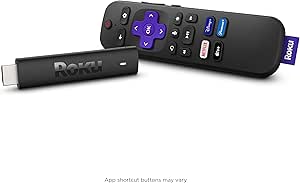 | Best Compact 4K Pick | Condition: Renewed | Resolution: 4K | HDR formats: Dolby Vision, HDR10+ | VIEW LATEST PRICE | See Our Full Breakdown |
| onn Android TV 4K UHD Streaming Device with Voice Remote and HDMI Cable |  | Best for Google TV and Casting Fans | Resolution: 4K UHD (3840 × 2160 pixels) | Operating system: Android TV | Connectivity: HDMI, Wi-Fi | VIEW LATEST PRICE | See Our Full Breakdown |
| NVIDIA Shield TV Pro 4K HDR Streaming Media Player |  | Best for Home Media Libraries | Processor: NVIDIA Tegra X1+ | RAM: 3 GB | Storage: 16 GB | VIEW LATEST PRICE | See Our Full Breakdown |
| Amazon Fire TV Stick 4K Plus with Alexa+ and Wi-Fi 6 |  | Best Value 4K Stick | Processor: Quad-core 1.7 GHz | Storage: 8 GB | Maximum resolution: 2160p at up to 60 fps | VIEW LATEST PRICE | See Our Full Breakdown |
| Amazon Fire TV Stick HD (2026 Model) with Alexa Voice Remote |  | Best for Full HD TVs | Resolution: Full HD (1080p) | Connectivity: Wi-Fi 6, Bluetooth | Power: TV USB-C port | VIEW LATEST PRICE | See Our Full Breakdown |
| TiVo Stream 4K Streaming Media Player |  | Best for Unified App and Live TV Search | Operating system: Android TV | Resolution: 4K UHD | HDR: Dolby Vision | VIEW LATEST PRICE | See Our Full Breakdown |
| Amazon Fire TV Cube (3rd Gen) 4K Streaming Media Player with Alexa, Wi-Fi 6E, and Dolby Vision |  | Best Premium Alexa Hub | Processor: Octa-core: 4 × 2.2 GHz and 4 × 2.0 GHz | Memory and storage: 2 GB memory, 16 GB internal storage | Maximum resolution: 2160p at up to 60 fps | VIEW LATEST PRICE | See Our Full Breakdown |
| Google TV Streamer 4K with Voice Remote, 32 GB Storage, Porcelain |  | Best for Google TV Households | Resolution: 3840 × 2160 | HDR: 4K HDR with Dolby Vision | Storage: 32 GB | VIEW LATEST PRICE | See Our Full Breakdown |
| Amazon Fire TV Stick 4K Max (2nd Gen) Streaming Device with Wi-Fi 6E and Alexa Voice Remote |  | Best for Wi-Fi 6E and Home Theater Formats | Generation: 2nd Gen | Processor: Quad-core 2.0 GHz | Storage: 16 GB | VIEW LATEST PRICE | See Our Full Breakdown |
| Amazon Fire TV Stick 4K Select with Alexa Voice Remote |  | Best Entry-Level 4K Fire TV Stick | Maximum resolution: 2160p at up to 60 fps | Internal storage: 8 GB | Processor: Quad-core 1.7 GHz | VIEW LATEST PRICE | See Our Full Breakdown |
| onn 4K Pro Streaming Device with Google TV |  | Best for a Feature-Rich Google TV Setup | Resolution: 4K Ultra HD | Operating system: Google TV | Storage: 32 GB | VIEW LATEST PRICE | See Our Full Breakdown |
| home streaming device | Resolution | Connectivity | Storage |
|---|---|---|---|
| Roku Streaming Stick HD with V | 1080p | Wi-Fi, Bluetooth | — |
| Apple TV 4K | — | — | — |
| Roku Ultra Ultimate Streaming | 4K (2160p) | Wi-Fi 6 (AX, MIMO), Bluetooth, Ethernet, HDMI, USB | — |
| Roku Streaming Stick 4K with V | 4K | HDMI, long-range Wi-Fi | 4 GB |
| onn Android TV 4K UHD Streamin | 4K UHD (3840 × 2160 pixels) | HDMI, Wi-Fi | 8 GB |
| NVIDIA Shield TV Pro 4K HDR St | — | Gigabit Ethernet, dual-band AC Wi-Fi, Bluetooth 5.0 | 16 GB |
| Amazon Fire TV Stick 4K Plus w | — | — | 8 GB |
| Amazon Fire TV Stick HD | Full HD (1080p) | Wi-Fi 6, Bluetooth | — |
| TiVo Stream 4K Streaming Media | 4K UHD | Wi-Fi | 8 GB |
| Amazon Fire TV Cube | — | — | — |
| Google TV Streamer 4K with Voi | 3840 × 2160 | Ethernet, Wi-Fi | 32 GB |
| Amazon Fire TV Stick 4K Max | — | — | 16 GB |
| Amazon Fire TV Stick 4K Select | — | — | — |
| onn 4K Pro Streaming Device wi | 4K Ultra HD | — | 32 GB |
More Details on Our Top Picks
Roku Streaming Stick HD with Voice Remote
I’d pick the Roku Streaming Stick HD for a secondary television or an older set that tops out at 1080p. Its stick design draws power from the TV’s USB port, keeping the setup tidy, while the voice remote handles search and basic TV controls. Bluetooth Headphone Mode is a useful extra for late-night viewing without disturbing others. Unlike the Roku Streaming Stick 4K, this model cannot take advantage of a 4K screen or HDR formats, so it makes less sense as a new primary-room upgrade. It also needs an available HDMI port and a USB power source on the TV. I’d choose it when straightforward HD streaming and a small footprint matter more than picture upgrades.
Pros:- Compact stick design leaves neighboring HDMI ports accessible
- Can draw power from the TV’s USB port instead of a separate wall outlet
- Voice remote controls search, TV power, and volume
- Bluetooth Headphone Mode supports private listening
Cons:- Limited to 1080p, with no 4K or HDR support
- Requires both an available HDMI port and a TV USB power source
Best for: Owners of 1080p TVs who want a compact way to add popular streaming apps and private headphone listening.
Not ideal for: Viewers with a 4K television who want 4K or HDR playback, or anyone whose TV lacks a USB power source.
- Resolution:1080p
- Connectivity:Wi-Fi, Bluetooth
- Connector:HDMI
- Video codecs:H.264/AVC, AV1
- Dimensions:3.7 × 0.8 × 0.5 inches
- Weight:60 g
- Smart home integration:Alexa, Apple AirPlay/HomeKit, Google Home
- Supported services:Apple TV+, Disney+, Hulu, Netflix, Prime Video
Our verdict“Choose this Roku for a tidy, simple HD upgrade on a secondary or non-4K television.”
Apple TV 4K (4th Generation)
The Apple TV 4K is the premium fit for viewers who want Dolby Vision, HDR10+, Dolby Atmos, and Siri in one living-room device. Its A19 chip is built for smooth playback, while the Siri Remote adds Find My and Precision Finding support—handy if the remote tends to disappear between cushions. It can also serve as a smart home hub for remote accessory control. Compared with the Roku Ultra, this Apple model’s standout case is its Siri and Apple-home integration; Roku’s listed specs offer more connection options, including Ethernet and USB. The Apple TV’s most immersive surround-sound setup calls for four HomePod speakers, and some Siri features need an iPhone or iPad for setup. I’d favor it when those Apple extras matter more than a simpler device.
Pros:- Supports Dolby Vision and HDR10+
- Dolby Atmos audio support and Enhance Dialogue
- Siri Remote includes Find My and Precision Finding support
- Can act as a smart home hub for remote accessory control
Cons:- Some Siri features require setup with an iPhone or iPad
- The specified immersive surround setup requires four HomePod speakers
Best for: Apple users who want a premium 4K streamer, Siri voice control, and a hub for compatible smart-home accessories.
Not ideal for: Buyers seeking a low-fuss streaming box without Apple-device setup needs, or those unwilling to build a HomePod-based surround setup.
- Chip:A19
- Video formats:Dolby Vision, HDR10+
- Audio:Dolby Atmos
- Dimensions:3.67 × 3.67 × 1.22 inches
- Weight:7.7 ounces
- Manufacturer:Apple
- Model number:MLFF4LL/A
- Battery requirement:1 A battery required
Our verdict“Pick the Apple TV 4K if you want premium HDR streaming and already rely on Apple devices and smart-home features.”
Roku Ultra Ultimate Streaming Player (4K, Dolby Vision & Atmos, HDR10+)
For a Roku setup with fewer compromises, I’d move up to the Roku Ultra. It combines 4K playback with Dolby Vision, HDR10+, and Dolby Atmos, so it can make better use of a compatible TV and sound system than the HD Streaming Stick. The rechargeable Voice Remote Pro adds backlit buttons, hands-free voice control, and a lost-remote finder, while Wi-Fi 6 and Ethernet give buyers more ways to handle a demanding network. Compared with the Roku Streaming Stick 4K, the Ultra brings a fuller connection set and a more capable remote, but it takes up more space and is not the compact HDMI-stick choice. I’d rank it for viewers who want Roku’s 4K experience and value connectivity and remote features over a minimal setup.
Pros:- 4K output with Dolby Vision, HDR10+, HDR10, and HLG
- Dolby Atmos support for compatible audio setups
- Rechargeable remote has backlit buttons and a lost remote finder
- Offers Wi-Fi 6, Ethernet, Bluetooth, and USB connectivity
Cons:- Larger footprint than streaming sticks
- Requires an available HDMI port on the TV
Best for: Roku users with a 4K HDR television who want Ethernet, Wi-Fi 6, and a rechargeable remote with a finder.
Not ideal for: Anyone prioritizing a tiny device that plugs directly into HDMI or who does not need 4K and advanced remote features.
- Resolution:4K (2160p)
- HDR formats:Dolby Vision, HDR10+, HDR10, HLG
- Audio support:Dolby Atmos
- Connectivity:Wi-Fi 6 (AX, MIMO), Bluetooth, Ethernet, HDMI, USB
- Remote:Rechargeable Voice Remote Pro with backlit buttons and lost remote finder
- Voice assistants:Alexa, Google Assistant, Apple HomeKit
- Dimensions:5 × 4.9 × 1 inches
- Weight:0.2 kg
Our verdict“Choose the Roku Ultra for a feature-rich Roku setup where 4K playback, network options, and remote convenience matter more than compact size.”
Roku Streaming Stick 4K with Voice Remote (Renewed)
The Roku Streaming Stick 4K suits buyers who want 4K HDR in a small HDMI-connected device rather than the larger Roku Ultra. It supports Dolby Vision and HDR10+, and its voice remote can manage streaming, TV power, and volume. Long-range Wi-Fi is intended to help when the TV is farther from the router, while the stick format keeps the installation unobtrusive. The key qualification is its Renewed condition: it comes with a 90-day limited warranty, so buyers should weigh that against choosing a new device such as the onn Android TV 4K. The listed specs also do not include Dolby Atmos or the Ultra’s Ethernet connection. I’d choose this Roku when compact placement and 4K matter more than a new-product purchase or extra wired connectivity.
Pros:- Supports 4K output with Dolby Vision and HDR10+
- Compact HDMI stick keeps the installation unobtrusive
- Voice remote controls streaming, TV power, and volume
- Long-range Wi-Fi is designed for use across different rooms
Cons:- Renewed condition comes with a 90-day limited warranty
- Streaming requires an internet connection
- Listed specifications do not include Ethernet or Dolby Atmos support
Best for: Viewers who want a compact Roku device for a 4K HDR television and are comfortable buying a renewed product.
Not ideal for: Buyers who require a new device, a longer listed warranty, Ethernet, or a stick that does not need an internet connection.
- Condition:Renewed
- Resolution:4K
- HDR formats:Dolby Vision, HDR10+
- Connectivity:HDMI, long-range Wi-Fi
- Storage:4 GB
- Remote:Voice remote
- Voice assistant compatibility:Siri, Alexa, Google Assistant
- Warranty:90-day limited warranty
Our verdict“Pick this renewed Roku stick if you want compact 4K HDR streaming and accept the shorter warranty and limited connection details.”
onn Android TV 4K UHD Streaming Device with Voice Remote and HDMI Cable
I’d shortlist the onn Android TV 4K UHD Streaming Device for viewers who want Google Assistant, Play Store apps, and Chromecast built in without choosing a Roku interface. Its 4K UHD output and included HDMI cable make the connection straightforward, while Chromecast lets users send supported content from Android or iOS devices. Compared with the Roku Streaming Stick 4K, this onn device offers a casting-focused Android TV setup, but its listed specs do not claim Dolby Vision or HDR10+. It is also explicitly designed for use in the United States, which rules it out for buyers elsewhere. The 2 GB of RAM and 8 GB of storage describe its hardware, but do not change that regional restriction. I’d choose it for Google-centric households that value casting over Roku’s platform.
Pros:- Supports 4K UHD output up to 3840 × 2160 pixels
- Chromecast built in supports casting from Android and iOS devices
- Google Assistant voice remote can find, play, and control content
- Includes an HDMI cable
Cons:- Designed for use in the United States and not compatible with other regions
- Listed specs do not include Dolby Vision or HDR10+ support
Best for: U.S. households that use Google Assistant or Chromecast and want 4K streaming with an included HDMI cable.
Not ideal for: Buyers outside the United States or viewers who specifically need listed Dolby Vision or HDR10+ support.
- Resolution:4K UHD (3840 × 2160 pixels)
- Operating system:Android TV
- Connectivity:HDMI, Wi-Fi
- RAM:2 GB
- Storage:8 GB
- Video codecs:H.264, H.265/HEVC
- Features:Chromecast built in, Google Assistant
- Regional compatibility:Designed for use in the United States
Our verdict“Choose this onn device if you are in the U.S. and prefer Google Assistant and Chromecast over Roku’s streaming platform.”
NVIDIA Shield TV Pro 4K HDR Streaming Media Player
I’d choose the NVIDIA Shield TV Pro when streaming is only part of the plan. Its built-in Plex Media Server, two USB 3.0 ports, and Gigabit Ethernet make it a better hub for locally stored movies and connected storage than the plug-in Fire TV Stick 4K Plus. AI upscaling can also sharpen HD video for a 4K screen, while Dolby Vision and Atmos cover major premium formats. The tradeoff is that its 16 GB of internal storage is modest, so the USB ports matter if you keep a large library or add peripherals. It’s also less streamlined than a simple stick, and a game controller is sold separately. I’d favor the Shield for a home media setup, not for buyers who want the smallest, simplest streaming device.
Pros:- Built-in Plex Media Server supports a home library in addition to streaming apps
- AI upscaling can improve the appearance of HD video on a 4K display
- Two USB 3.0 ports and Gigabit Ethernet offer useful expansion and wired connectivity
- Supports Dolby Vision HDR and Dolby Atmos
Cons:- 16 GB of internal storage is limited for a device that can host media and apps
- A game controller is sold separately
- More features and connections may be unnecessary for basic app streaming
Best for: Home theater owners who maintain a Plex library, want wired networking, or plan to connect USB storage and peripherals.
Not ideal for: Viewers who only stream from mainstream apps and want a low-complexity HDMI stick with no extra setup.
- Processor:NVIDIA Tegra X1+
- RAM:3 GB
- Storage:16 GB
- Video:4K HDR, Dolby Vision
- Audio:Dolby Atmos, Dolby Digital Plus
- Ports:2 USB 3.0
- Connectivity:Gigabit Ethernet, dual-band AC Wi-Fi, Bluetooth 5.0
- Media and casting:Plex Media Server and Chromecast 4K built in
Our verdict“Choose the Shield TV Pro if you want a flexible Plex and streaming hub, but pick a Fire TV Stick 4K Plus for a simpler plug-in setup.”
Amazon Fire TV Stick 4K Plus with Alexa+ and Wi-Fi 6
The Fire TV Stick 4K Plus is a practical fit for viewers who want 4K, Dolby Vision, HDR10+, and Atmos without moving to a box-style player like the Fire TV Cube. Its Wi-Fi 6 support can help when a busy household shares the network, though it only pays off with a compatible router. The included Alexa remote handles voice search, TV power, and volume, and can control compatible smart-home devices. Compared with the Full HD Fire TV Stick HD, this model is the better match for a 4K television and adds HDR formats; the HD stick remains a sensible choice when 1080p is enough. Its 8 GB storage is restrictive, and some services or cloud gaming features call for separate subscriptions or equipment.
Pros:- 4K playback with Dolby Vision, HDR10+, and Dolby Atmos support
- Wi-Fi 6 can suit homes with several devices sharing a wireless network
- Alexa remote includes TV power and volume controls
- Voice remote can control compatible smart-home devices
Cons:- 8 GB of storage leaves limited room for apps
- Wi-Fi 6 benefits require a compatible router
- Some services, content formats, and cloud gaming require subscriptions or compatible equipment
Best for: Households with a 4K TV and Wi-Fi 6 router that want broad HDR support and Alexa controls in a compact stick.
Not ideal for: Buyers with a Full HD television, an older router, or a preference for wired connections and expandable storage.
- Processor:Quad-core 1.7 GHz
- Storage:8 GB
- Maximum resolution:2160p at up to 60 fps
- Wi-Fi:Dual-band Wi-Fi 6, 2.4 GHz and 5 GHz
- Bluetooth:Bluetooth 5.2 + BLE
- Video formats:Dolby Vision, HDR10, HDR10+, HLG, H.265, H.264, VP9, AV1
- Audio:Dolby Atmos, 7.1 surround sound, stereo, HDMI audio pass-through
- Remote:Alexa Voice Remote with TV power and volume control
Our verdict“Pick this stick for a compact 4K setup with Alexa and modern HDR support; choose the Fire TV Stick HD if your screen is only 1080p.”
Amazon Fire TV Stick HD (2026 Model) with Alexa Voice Remote
The Fire TV Stick HD keeps the decision simple: it streams up to 1080p, fits directly into an HDMI port, and draws power from the TV’s USB-C port. That makes it a better match for a bedroom or secondary Full HD television than the Fire TV Stick 4K Plus, whose 4K and HDR features go unused on a 1080p screen. Wi-Fi 6 and Alexa+ voice search add convenience, while the remote also controls compatible TV power and volume. The tradeoff is a firm ceiling on picture quality: there’s no 4K or HDR support, so owners of newer 4K TVs should look at the 4K Plus instead. TV USB-C power may also be insufficient on some sets, and the device does not remove the need for subscriptions to paid streaming services.
Pros:- Full HD streaming suits 1080p televisions without paying for unused 4K capability
- Compact HDMI plug-in design is suited to tight spaces
- Wi-Fi 6 support is included
- Alexa Voice Remote offers voice search and TV power and volume buttons
Cons:- Limited to 1080p with no 4K or HDR support
- Power depends on the TV’s USB-C port, which may not supply enough current on every model
- Paid streaming apps still require separate subscriptions
Best for: People adding streaming apps to a Full HD bedroom, guest-room, or older television who want a compact device and voice remote.
Not ideal for: Owners of 4K HDR televisions or viewers whose TV USB-C port cannot provide reliable power.
- Resolution:Full HD (1080p)
- Connectivity:Wi-Fi 6, Bluetooth
- Power:TV USB-C port
- Remote:Alexa Voice Remote with power and volume buttons
- Supported apps:Prime Video, Netflix, YouTube, Disney+, Apple TV, HBO Max, Hulu, Peacock, Paramount+
- Model year:2026
Our verdict“Choose the Fire TV Stick HD for a Full HD screen and a tidy setup, but use the Fire TV Stick 4K Plus for a 4K television.”
TiVo Stream 4K Streaming Media Player
The TiVo Stream 4K is aimed at viewers who want to search across streaming apps and live TV from a more unified interface. Running Android TV, it combines 4K playback, Dolby Vision, Dolby Atmos, and Google Assistant voice control in a compact HDMI plug-in device. That cross-app approach gives it a different appeal from the Fire TV Stick 4K Plus, which is a more direct choice for Alexa households and Wi-Fi 6. The TiVo’s listed connectivity is Wi-Fi, and its 8 GB storage can constrain app-heavy setups. Its 90-day warranty is also shorter than many buyers may prefer. I’d choose it for its search and watch-list focus, rather than for expandable storage or a particularly long support window.
Pros:- Android TV interface brings apps and live TV into a unified search experience
- Supports 4K UHD with Dolby Vision and Dolby Atmos
- Google Assistant provides voice control
- Compact HDMI plug-in design has a stated maximum power consumption of 5 W
Cons:- 8 GB of storage can limit the number of apps installed
- Listed connectivity is Wi-Fi, with no Ethernet connection specified
- 90-day warranty is short
Best for: Viewers who use multiple streaming apps and live TV sources and want cross-app recommendations and voice search in one interface.
Not ideal for: App collectors who need generous internal storage, or buyers who prioritize a longer warranty and wired networking.
- Operating system:Android TV
- Resolution:4K UHD
- HDR:Dolby Vision
- Audio:Dolby Atmos
- RAM:2 GB
- Storage:8 GB
- Connectivity:Wi-Fi
- Warranty:90 days
Our verdict“Choose the TiVo Stream 4K for cross-app discovery and Google Assistant, but favor the Shield TV Pro if you need USB expansion or a Plex server.”
Amazon Fire TV Cube (3rd Gen) 4K Streaming Media Player with Alexa, Wi-Fi 6E, and Dolby Vision
The Fire TV Cube (3rd Gen) makes the most sense when streaming control needs to extend beyond the screen. Its built-in Alexa microphones and speaker can respond without picking up the remote, while HDMI input and output, USB-A, Ethernet, and an IR extender give it more connection options than the Fire TV Stick 4K Plus. The octa-core processor and Wi-Fi 6E support suit a more involved entertainment setup, and Dolby Vision, HDR10+, and Atmos cover major 4K formats. That capability comes with a larger box and more setup considerations than a stick; Wi-Fi 6E also needs a compatible router, 6 GHz connection, and WPA3 encryption. The mic-off button offers an electronic way to disconnect microphones, but buyers who don’t want a hands-free Alexa device may prefer a simpler streamer.
Pros:- Built-in Alexa microphones and speaker enable hands-free voice control
- Octa-core processor and 16 GB internal storage
- HDMI input and output, USB-A, Ethernet, and IR extender support varied setups
- 4K playback with Dolby Vision, HDR10+, HLG, and Dolby Atmos
Cons:- Wi-Fi 6E benefits require compatible networking equipment and WPA3
- Larger and heavier than a stick-style streamer
- Some streaming services and content require separate subscriptions or may not be available in every area
Best for: Alexa users who want hands-free voice control of a TV, soundbar, receiver, and compatible smart-home equipment.
Not ideal for: Viewers who want a small HDMI stick, do not need built-in microphones, or lack compatible Wi-Fi 6E equipment.
- Processor:Octa-core: 4 × 2.2 GHz and 4 × 2.0 GHz
- Memory and storage:2 GB memory, 16 GB internal storage
- Maximum resolution:2160p at up to 60 fps
- Wi-Fi:Wi-Fi 6E tri-band
- Bluetooth:Bluetooth 5.0 + LE
- Ports:HDMI 2.1 input and output, IR extender, USB-A 2.0, 10/100 Mbps Ethernet
- Video formats:Dolby Vision, HDR10, HDR10+, HLG, H.265, H.264, VP9, AV1
- Voice control:Alexa Voice Remote, Fire TV app, built-in microphones and speaker
Our verdict“Choose the Fire TV Cube if hands-free Alexa and multiple AV connections matter; choose the Fire TV Stick 4K Plus for a smaller, simpler setup.”
Google TV Streamer 4K with Voice Remote, 32 GB Storage, Porcelain
I’d choose the Google TV Streamer 4K for a household that wants a unified way to browse services rather than jump between app menus. Its Google TV home screen combines recommendations and a watchlist, while 4K HDR with Dolby Vision suits compatible TVs. Compared with the Fire TV Stick 4K Max, this model offers 32 GB of storage and wired Ethernet, but the Fire TV stick adds Wi-Fi 6E and Dolby Atmos support. Google’s streamer is a compact, easy-to-place box, though it needs an HDMI 2.1 cable sold separately, adding a setup step. Its 4 GB of RAM and voice remote round out a capable everyday option; buyers seeking immersive Atmos audio should check their speaker setup, since the listed product details call for Dolby Atmos speakers.
Pros:- Google TV brings multiple streaming services, recommendations, and a watchlist together.
- 4K HDR with Dolby Vision supports compatible TVs.
- 32 GB storage and 4 GB RAM provide room for apps and responsive navigation.
- Ethernet connectivity offers a wired alternative to Wi-Fi.
Cons:- HDMI 2.1 cable is required but sold separately.
- Dolby Atmos speakers are needed for immersive 3D sound.
- The 5.7-ounce device is less discreet than an HDMI stick.
Best for: Households using several streaming services that want Google TV recommendations, a shared watchlist, and the option of wired Ethernet.
Not ideal for: Buyers who need an HDMI cable in the box or prioritize Wi-Fi 6E and clearly specified Dolby Atmos support, as the Fire TV Stick 4K Max better matches those needs.
- Resolution:3840 × 2160
- HDR:4K HDR with Dolby Vision
- Storage:32 GB
- RAM:4 GB
- Connectivity:Ethernet, Wi-Fi
- Supported services:Google TV, Hulu, Netflix, Prime Video, YouTube
- Model:GRS6B
- Weight:5.7 ounces
Our verdict“Choose this Google TV streamer if you want a unified viewing hub with generous storage and Ethernet, and don’t mind supplying an HDMI cable.”
Amazon Fire TV Stick 4K Max (2nd Gen) Streaming Device with Wi-Fi 6E and Alexa Voice Remote
The Fire TV Stick 4K Max (2nd Gen) is my pick for a compatible setup that can take advantage of newer wireless networking and a broad mix of picture and sound formats. It supports Wi-Fi 6E, Dolby Vision, HDR10+, and Dolby Atmos, so it covers more format combinations than the Fire TV Stick 4K Select, whose listed audio support is HDMI pass-through for Dolby-encoded audio. The included Alexa remote can control compatible TVs and audio devices, and its recent-content and live-TV buttons make everyday access more direct. The tradeoff is that Wi-Fi 6E needs a compatible router; without one, that headline advantage may not apply. Its 16 GB of storage is less than the Google TV Streamer 4K’s 32 GB, and some content still requires separate subscriptions.
Pros:- Supports Dolby Vision, HDR10+, and Dolby Atmos.
- Wi-Fi 6E tri-band connectivity includes the 6 GHz band with a compatible router.
- 16 GB storage gives apps and games more room than the Fire TV Stick 4K Select’s 8 GB.
- Alexa remote can control compatible TVs and audio devices.
Cons:- Wi-Fi 6E benefits depend on having a compatible router.
- 16 GB storage is half the capacity of the Google TV Streamer 4K.
- A compatible 4K TV and separate subscriptions may be needed to access advertised content and formats.
Best for: Fire TV users with a Wi-Fi 6E router, a compatible 4K television, and a Dolby Vision or Atmos-capable home theater.
Not ideal for: Viewers with an older router or those who want more built-in storage; the Google TV Streamer 4K offers 32 GB rather than 16 GB.
- Generation:2nd Gen
- Processor:Quad-core 2.0 GHz
- Storage:16 GB
- Wi-Fi:Wi-Fi 6E tri-band (2.4, 5, and 6 GHz)
- Bluetooth:Bluetooth 5.2 + BLE
- Video formats:Dolby Vision, HDR10, HDR10+, HLG, H.265, H.264, VP9, AV1
- Audio support:Dolby Atmos, 7.1 surround sound, stereo, HDMI audio passthrough up to 5.1
- Output resolution:2160p, 1080p, and 720p up to 60 fps
Our verdict“Pick the Fire TV Stick 4K Max if your network and home theater can use its Wi-Fi 6E and Dolby format support.”
Amazon Fire TV Stick 4K Select with Alexa Voice Remote
The Fire TV Stick 4K Select keeps the core appeal of a compact Fire TV device: 4K playback, HDR10+, Alexa search, and access to streaming apps, including free ad-supported options. It makes sense for a straightforward upgrade to a compatible 4K television, especially if voice search and smart-home controls matter more than advanced networking. Compared with the Fire TV Stick 4K Max, the Select has a slower 1.7 GHz processor, 8 GB of storage, and Wi-Fi 5 rather than Wi-Fi 6E. It still supports AV1 and cloud gaming services, but gaming requires a subscription and compatible controller. The 90-day limited warranty is shorter than the Max’s one-year warranty, so buyers who value a longer listed coverage period may prefer the more capable model.
Pros:- Supports 4K resolution and HDR10+ on compatible TVs and content.
- Alexa remote supports voice search and compatible TV and soundbar controls.
- Access to streaming apps and free ad-supported content.
- Supports cloud gaming services, including Xbox Game Pass and Luna.
Cons:- 8 GB of storage is less than the Fire TV Stick 4K Max’s 16 GB.
- Wi-Fi is limited to 802.11ac rather than Wi-Fi 6E.
- The 90-day limited warranty is shorter than the Max’s one-year limited warranty.
Best for: Viewers upgrading a compatible 4K TV who want Alexa voice search, Fire TV apps, and free ad-supported content without needing Wi-Fi 6E.
Not ideal for: People with large app libraries, Wi-Fi 6E networks, or a preference for a longer listed warranty; the Fire TV Stick 4K Max has more storage and a one-year limited warranty.
- Maximum resolution:2160p at up to 60 fps
- Internal storage:8 GB
- Processor:Quad-core 1.7 GHz
- Wi-Fi:Dual-band, dual-antenna MIMO; 802.11a/b/g/n/ac
- Bluetooth:Bluetooth 5.0 and Bluetooth Low Energy
- Video formats:HDR10, HDR10+, HLG, H.265, H.264, VP9, AV1
- Audio support:HDMI pass-through for Dolby-encoded audio
- Warranty:90-day limited warranty
Our verdict“Choose the 4K Select for basic Fire TV streaming and Alexa access, but step up to the 4K Max for more storage, faster networking, or a longer listed warranty.”
onn 4K Pro Streaming Device with Google TV
The onn 4K Pro pairs Google TV with 32 GB of storage, 3 GB of RAM, Wi-Fi 6, and an Ethernet port, making it a strong fit for viewers who want a connected home-streaming box rather than a minimal HDMI stick. It shares the Google TV approach of the Google TV Streamer 4K, including access to a familiar interface, while listing Dolby Vision and Dolby Atmos support. Its standout convenience is the backlit remote with Find My Remote, useful when the controller disappears between viewing sessions. On paper, though, it is much heavier and larger than a stick-style option, and the listed dimensions of 10 × 4 × 4 inches deserve a check against your TV area. The product data also calls Ethernet optional, so buyers should confirm the connection arrangement they need.
Pros:- Google TV operating system with 32 GB storage and 3 GB RAM.
- Supports 4K Ultra HD with Dolby Vision and Dolby Atmos.
- Wi-Fi 6 and an Ethernet port provide wireless and wired connection options.
- Remote has backlighting and a Find My Remote feature.
Cons:- Listed dimensions of 10 × 4 × 4 inches may make placement difficult beside a TV.
- The product details describe Ethernet as optional, leaving the wired setup unclear.
- At 1.5 pounds, it is substantially heavier than stick-style alternatives.
Best for: Google TV viewers who want 32 GB of storage, Wi-Fi 6, Ethernet connectivity, and a remote that can be found and used in dim rooms.
Not ideal for: Buyers who need a compact, clearly sized streaming stick or confirmed built-in wired networking; the Google TV Streamer 4K has more clearly specified Ethernet connectivity and a compact listed form.
- Resolution:4K Ultra HD
- Operating system:Google TV
- Storage:32 GB
- RAM:3 GB
- Video format:Dolby Vision
- Audio format:Dolby Atmos
- Wireless connectivity:Wi-Fi 6
- Wired connectivity:Ethernet port
- Remote features:Backlight and Find My Remote
Our verdict“Choose the onn 4K Pro if you want Google TV features and a findable backlit remote in a box-style device, but verify its size and Ethernet arrangement first.”
How We Picked
My selection process focused on three core pillars: performance consistency, ecosystem compatibility, and user interface clarity. I prioritized devices that maintain stable 4K HDR playback without buffering, even in congested Wi-Fi environments. Devices were ranked higher if they offered intuitive navigation, reducing the friction of finding content across multiple services. I also weighed the importance of smart home integration, noting that devices with deeper ties to specific ecosystems (like Apple or Amazon) performed better for users already invested in those platforms. This approach ensures that the rankings reflect real-world usability rather than just raw technical specifications.
Factors to Consider When Choosing Best Home Streaming Devices
Selecting a streaming device requires balancing technical specs with daily usability. Here are the key factors that separate a good purchase from a regrettable one.Ecosystem Lock-in vs. Platform Agnosticism
Your choice of streaming device should align with your smartphone and smart home setup. If you own an iPhone and use AirPlay, the Apple TV provides seamless casting that third-party devices cannot match. Conversely, Roku and Amazon Fire TV devices are platform-agnostic, working equally well with Android and iOS, though they lack deep system-level integration. Users heavily invested in Alexa will find Fire TV devices more convenient for voice control, while Google TV devices offer better integration with Android phones. Ignoring this alignment can lead to a fragmented experience where casting and voice commands feel disjointed.
Video Quality Standards: Dolby Vision vs. HDR10+
Not all 4K devices support the same high dynamic range (HDR) formats. Dolby Vision is dynamic and adjusts brightness scene-by-scene, offering superior contrast on compatible TVs. HDR10+ is similar but less widely adopted by content providers. The Apple TV 4K supports HDR10 and Dolby Vision but lacks HDR10+, while Roku and Amazon devices often support both. If your TV supports Dolby Vision, ensure your streamer does too; otherwise, you are downgrading your picture quality. This mismatch is a common mistake that results in paying for a premium display but not utilizing its full potential.
Interface Clutter and Ad Frequency
The operating system matters as much as the hardware. Amazon Fire TV interfaces are known for aggressive ad placement on the home screen, which can be distracting. Roku also displays ads, though they are generally less intrusive than Amazon’s. Apple TV and NVIDIA Shield offer cleaner, ad-free home screens, providing a more premium feel. Google TV attempts to aggregate content but can feel overwhelming due to its data-heavy recommendations. If you value a clean, distraction-free menu, prioritize devices with minimal on-screen advertising, even if they cost slightly more.
Connectivity and Future-Proofing
Wi-Fi standards and physical ports dictate long-term viability. Look for devices with Wi-Fi 6 or Wi-Fi 6E support, such as the Fire TV Cube or Fire TV Stick 4K Max, to handle network congestion better. Ethernet ports are rare but valuable for stable 4K streaming; the Roku Ultra and Apple TV 4K include them, while most sticks do not. Bluetooth version also matters for remote responsiveness and accessory compatibility. Choosing a device with outdated connectivity can lead to buffering issues as your home network becomes more crowded with devices.
Audio Passthrough and Soundbar Integration
If you use a soundbar or home theater receiver, audio passthrough capabilities are critical. Some devices do not pass through Dolby Atmos or DTS:X audio correctly, limiting your sound system to stereo or basic surround. The NVIDIA Shield TV Pro excels here, offering the most reliable audio handling and upscaling. Apple TV also handles audio well but may require specific HDMI cable certifications. Always verify that your chosen streamer supports the audio format your receiver prefers, as this can significantly impact the immersion of movies and TV shows.
Frequently Asked Questions
Do I need a streaming device if my TV has smart features built-in?
Yes, in most cases, a dedicated device offers a smoother experience. Built-in smart TV interfaces are often slow, lack app updates, and have limited storage compared to dedicated streamers. Devices like the Roku Ultra or Apple TV 4K provide faster app launches, more frequent software updates, and better voice remote responsiveness. Additionally, dedicated devices are easier to replace when they become obsolete, whereas a smart TV is a long-term commitment that may lag behind in software support. Investing in a streamer effectively extends the life and usability of your television.Which streaming device is best for live TV and sports fans?
The Roku Streaming Stick 4K or Roku Ultra are excellent choices due to their extensive app library, which includes most live TV services. Amazon Fire TV devices are also strong contenders, especially if you subscribe to Prime Video sports events, as they integrate well with Amazon’s ecosystem. However, for latency-sensitive sports, the NVIDIA Shield TV Pro offers the lowest buffering risk due to its superior hardware and Ethernet connectivity. Live TV apps can be resource-heavy, so devices with more RAM and processing power will handle channel switching and guide navigation more smoothly.Is the Apple TV 4K worth the higher price compared to Roku or Fire TV?
The Apple TV 4K is worth it if you are already in the Apple ecosystem and value a premium, ad-free interface. It offers the fastest performance, highest build quality, and longest software support window in the category. However, it lacks Dolby Vision support on some models and does not support as many niche streaming apps as Roku. If you primarily watch mainstream content on Netflix, Disney+, and Hulu, and want seamless AirPlay casting, the premium is justified. For budget-conscious buyers or those with non-Apple devices, Roku or Fire TV offer similar core functionality at a fraction of the cost.Can I use any streaming device with a non-4K TV?
Yes, all 4K streaming devices are backward compatible with 1080p and 720p TVs. They will automatically downscale the video output to match your TV’s resolution. However, buying a high-end 4K device for an older 1080p TV is often unnecessary unless you plan to upgrade your TV soon. In this case, a basic HD device like the Roku Streaming Stick HD or Fire TV Stick HD provides all the necessary features without the extra cost of 4K hardware. This allows you to save money while still enjoying a modern, responsive smart TV experience.How important is voice control for a streaming device?
Voice control significantly improves usability, especially for finding content across multiple apps. Devices with Alexa, Google Assistant, or Siri integration allow you to search for actors, movies, or control smart home devices directly from the couch. The Fire TV Cube and Google TV Streamer offer the most robust voice experiences, with far-field microphone support that lets you skip the remote entirely. However, if you prefer manual navigation or have privacy concerns, devices with basic voice remotes or no voice capability are still viable, though they require more effort to find specific titles.Conclusion
To summarize the best home streaming devices for 2027, my recommendations depend on your specific priorities. For Best Overall, the Roku Ultra offers the best balance of app variety, connectivity, and price. If you want Best Value, the Roku Streaming Stick 4K delivers premium features without the bulk or cost. For Best Premium, the Apple TV 4K is unmatched in build quality and ecosystem integration, despite its lack of Dolby Vision. Beginners will find the Amazon Fire TV Stick HD easiest to set up and navigate. For Audiophiles and Gamers, the NVIDIA Shield TV Pro remains the superior choice for its audio processing and upscaling capabilities. Choose based on your existing devices and content habits to maximize your viewing experience.