To keep a cold room comfortable and your warm receiver cozy during winter, use proper ventilation techniques. Open windows slightly on opposite sides for cross-ventilation, and use exhaust fans in kitchens and bathrooms to remove excess moisture. Ceiling fans can help circulate warm air evenly, reducing cold spots. Maintaining a balanced humidity level—with a hygrometer—is key to preventing dampness or dryness. Keep vents unobstructed and consider air exchange systems for fresh air. If you keep these tips in mind, you’ll find it easier to optimize your winter setup.
Key Takeaways
- Use cross-ventilation by opening windows on opposite sides to promote airflow without significant heat loss.
- Incorporate exhaust fans in cold rooms to remove excess moisture and improve air quality.
- Install air exchange systems for continuous fresh air supply while minimizing heat escape.
- Circulate warm air with ceiling fans set to clockwise to prevent cold spots and enhance comfort.
- Keep vents unobstructed and use short-term window openings to balance airflow and heat retention.

Controlling humidity is vital in winter because indoor air tends to become dry with heating, which can cause discomfort, dry skin, and respiratory issues. On the other hand, excessive moisture can lead to mold growth, musty odors, and damage to your home. To strike the right balance, consider using a hygrometer to monitor humidity levels regularly. If the air gets too dry, a humidifier can add moisture, but if it’s too damp, a dehumidifier or increased ventilation can help remove excess moisture. Proper humidity levels, ideally between 30-50%, make your home more comfortable and reduce the risk of mold and mildew. Incorporating air exchange systems can further improve indoor air quality by continuously removing stale air and bringing in fresh air, especially in highly airtight homes.
Optimizing airflow is equally important. When you ventilate, aim for cross-ventilation by opening windows on opposite sides of your home. This creates a steady flow of fresh air, replacing stale indoor air efficiently. Even slightly opening windows for short periods can considerably improve airflow without drastically dropping indoor temperatures. Additionally, strategically using exhaust fans in kitchens and bathrooms can help remove excess moisture and pollutants at their source. Keep vents clear of obstructions to ensure they work effectively, and consider installing air exchange systems if your home is particularly airtight. These systems can bring in fresh air while exhausting stale air, maintaining a healthy balance without losing too much heat.
Another tip for airflow optimization is to use fans wisely. Ceiling fans set to rotate clockwise create a gentle updraft, pushing warm air that rises to the ceiling back down into the room. This circulation helps distribute heat evenly and reduces cold spots, making your space feel warmer without turning up the thermostat. Combining this with controlled ventilation means you get fresh air without sacrificing warmth.
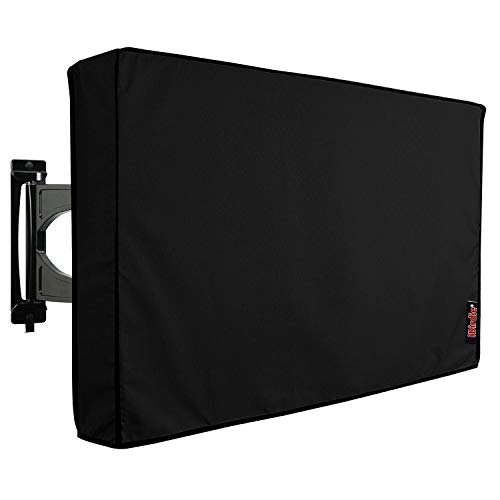
iBirdie Outdoor TV Cover 52 to 55 inch Weatherproof, Cover Size 52''L x 31''H, Waterproof for Outside Flat Screen 52 to 55 inch TV, Black, 600D Thick Fabric Screen Protector with Bottom
Protect Your Outdoor TV: Protect your outdoor TV with our outdoor TV cover, featuring a long-lasting design and...
As an affiliate, we earn on qualifying purchases.
Frequently Asked Questions
How Often Should Ventilation Systems Be Inspected During Winter?
You should inspect your ventilation system at least once a month during winter to guarantee ideal performance. Regular ventilation maintenance helps prevent issues like blockages or mold buildup. Follow a consistent winter inspection schedule, especially when temperatures drop, to keep airflow steady and indoor air quality high. By staying proactive, you ensure your system runs efficiently and safely throughout the colder months.
Can Natural Ventilation Sufficiently Warm a Cold Room?
Natural ventilation alone usually can’t sufficiently warm a cold room because passive cooling and air exchange primarily focus on cooling, not heating. To effectively warm the space, you need supplemental heating methods. While opening windows or vents can improve air exchange and prevent dampness, they won’t provide consistent warmth during winter. Combining natural ventilation with active heating ensures a more comfortable and temperature-appropriate environment.
What Materials Are Best for Winter-Proof Ventilation Ducts?
You should use insulation materials like foam or fiberglass to keep your ventilation ducts warm during winter. These materials prevent heat loss and improve efficiency. Additionally, guarantee proper duct sealing to prevent drafts and leaks. Sealing gaps with mastic or foil tape helps maintain airflow and warmth inside the ducts. Combining insulation with thorough sealing keeps your ventilation system effective, ensuring your space stays comfortable despite the cold weather outside.
How Do Humidity Levels Affect Ventilation Efficiency in Winter?
Did you notice how humidity levels impact your winter ventilation? When humidity is too high, it hampers airflow enhancement, making your system less efficient and risking condensation issues. Conversely, low humidity can dry out ducts and reduce air quality. Proper humidity control helps maintain ideal moisture levels, ensuring your ventilation system runs smoothly and efficiently. Keep an eye on humidity, and you’ll enjoy better airflow and a more comfortable winter environment.
Are There Any Safety Concerns With Winter Ventilation Methods?
You should be aware that improper winter ventilation can pose safety concerns like fire hazards due to increased electrical use or frost formation on vents, which can block airflow. To stay safe, guarantee vents are clear and properly maintained, and avoid over-ventilating, which could lead to moisture buildup. Regularly inspect your system for frost and potential fire risks, and follow safety guidelines to prevent accidents.

iBirdie Outdoor TV Cover 48 to 50 inch Weatherproof, Cover Size 47.5''L x 30''H, Waterproof for Outside Flat Screen 48 to 50 inch TV, Black, 600D Thick Fabric Screen Protector with Bottom
Protect Your Outdoor TV: Protect your outdoor TV with our outdoor TV cover, featuring a long-lasting design and...
As an affiliate, we earn on qualifying purchases.
Conclusion
Remember, proper ventilation keeps your cold room fresh and your warm receiver efficient. Did you know that good airflow can reduce energy costs by up to 20%? By maintaining a balance between cold and warm air, you’ll prevent moisture buildup and guarantee ideal conditions year-round. Keep these tips in mind, and you’ll enjoy a safer, more comfortable setup that saves you money and prolongs the life of your equipment. Stay proactive and breathe easy this winter.

ULTCOVER Waterproof Outdoor TV Cover for 55-59 inch Outside Flat Screen Televisions with Mounts and Stands
Fits flat screen tv with cables size up to 54”(W)x33”(H)x5”(D).
As an affiliate, we earn on qualifying purchases.
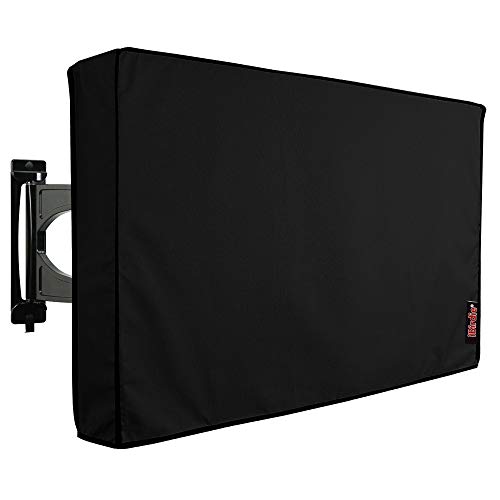
iBirdie Outdoor TV Cover 70 to 75 inch Weatherproof, Cover Size 68''L x 42''H, Waterproof for Outside Flat Screen 70 to 75 inch TV, Black, 600D Thick Fabric Screen Protector with Bottom
Protect Your Outdoor TV: Protect your outdoor TV with our outdoor TV cover, featuring a long-lasting design and...
As an affiliate, we earn on qualifying purchases.