To identify if a buzz is electrical, mechanical, or room-related, listen carefully to its pitch, rhythm, and consistency. Electrical noises usually sound steady and high-pitched, often linked to power lines. Mechanical sounds tend to be rhythmic and lower, matching equipment cycles. Room-related noises are softer, fluctuating with environmental factors like temperature or humidity. By paying attention to these clues and testing devices or environmental changes, you can figure out the source—and uncover more insights beyond the surface.
Open a free Amazon Business account
Business pricing, bulk buying and tax-exempt orders.
As an affiliate, we earn on qualifying purchases.
Key Takeaways
- Identify if the buzz is high-pitched and consistent, indicating electrical origin, or low and rumbling, suggesting mechanical sources.
- Turn off individual appliances to see if the buzz stops, isolating electrical or mechanical equipment.
- Observe if the noise varies with environmental conditions like temperature or humidity, pointing to room-related causes.
- Check for rhythmic patterns matching device cycles to identify mechanical sounds.
- Use a decibel meter to measure sound frequency and confirm whether it aligns with electrical or mechanical characteristics.
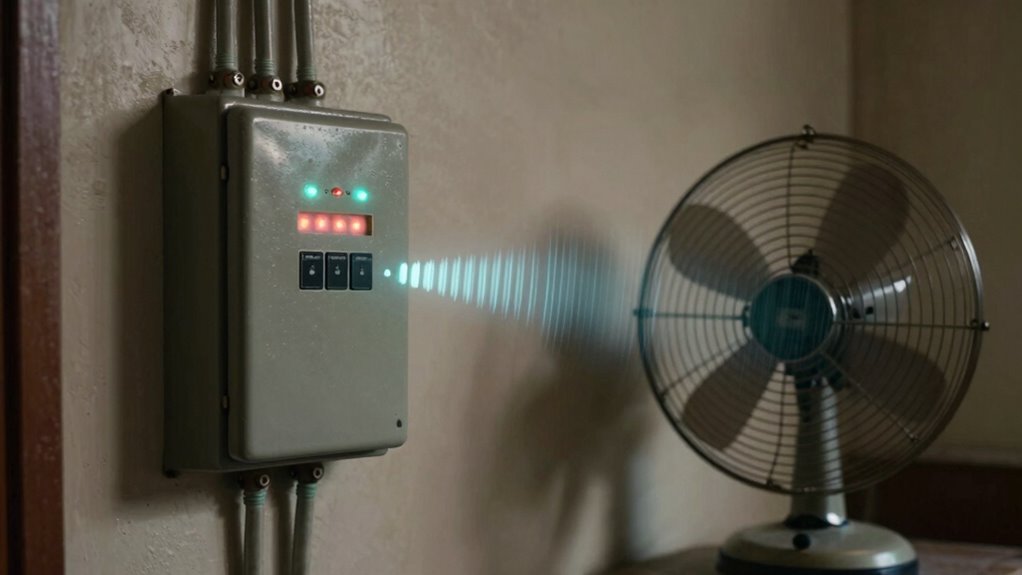
Ever wondered what kind of noise is causing that persistent buzz in your space? Identifying whether it’s electrical, mechanical, or room-related can be tricky, but paying attention to the noise’s characteristics can help you pinpoint the source. One of the first clues is the noise frequency—how high or low the pitch sounds—since each type of buzz tends to have a distinct frequency range. Electrical noises often produce a high-pitched, consistent hum, usually tied to the power line frequency, which is 60 Hz in North America or 50 Hz in many other parts of the world. Mechanical sounds, on the other hand, tend to have a lower, rumbling quality, often fluctuating with equipment activity or vibrations. Sometimes, vibrations from these devices can transmit through walls or furniture, making it seem like the noise is coming from elsewhere. Room-related noises can vary widely but are usually less intense and might change depending on environmental factors like temperature, humidity, or even the time of day. Recognizing the sound frequency and how it interacts with your environment can be a crucial step in diagnosis. Additionally, understanding the environmental influences that affect sound can help you differentiate between the sources more effectively. External factors such as nearby traffic or construction can also play a role in creating or amplifying room noises, which is important to consider in your assessment.
Identify your buzzing noise by listening to its pitch and consistency—high-pitched for electrical, rumbling for mechanical, or variable for room-related issues.
To effectively determine if the buzz is electrical, mechanical, or room-related, you need to focus on source isolation. This means systematically eliminating or testing potential sources to see if the noise persists. Start by turning off individual appliances or equipment that could produce electrical noise. If the buzz stops when a specific device is powered down, you’ve identified the electrical source. For mechanical noises, listen closely to appliances like fans, HVAC systems, or pumps—these often generate a steady, rhythmic sound that might align with their operational cycles. Sometimes, vibrations from these devices can transmit through walls or furniture, making it seem like the noise is coming from elsewhere. Isolating the source involves turning off or unplugging these items one at a time and noting any change in the noise. It can also be helpful to observe how the noise shifts during different times of the day or under varying conditions, which can give clues about its origin. Additionally, employing sound measurement tools, such as a decibel meter, can assist in quantifying the noise and confirming its source more accurately.
Room-related noises are often more subtle and tend to vary with environmental conditions. For example, temperature changes can cause building materials to expand or contract, creating creaks or low-frequency hums. Sometimes, the noise may be caused by external factors like traffic or nearby construction, which can be mitigated by soundproofing or relocating your workspace. Recognizing subtle cues, such as the timing or environmental triggers of the noise, can be key in pinpointing the room-related source. Paying close attention to how the noise behaves—its pitch, consistency, and when it occurs—will help you narrow down the cause. Remember, source isolation is your best tool. By methodically testing different sources and noting any changes, you’ll be able to determine whether your buzz is electrical, mechanical, or room-related, and then take the appropriate steps to eliminate or reduce it.
digital decibel meter for sound frequency measurement
As an affiliate, we earn on qualifying purchases.
As an affiliate, we earn on qualifying purchases.
Frequently Asked Questions
Can a Single Device Produce Multiple Types of Buzzing Sounds?
Yes, a single device can produce multiple types of buzzing sounds due to noise frequency and source variability. Different components may vibrate at varying frequencies, creating both high-pitched electrical buzzes and lower mechanical hums. Environmental factors, like room acoustics, can also influence the sound. So, if you notice diverse buzzing, it’s likely because the device’s internal parts and external conditions interact, producing multiple sound types simultaneously.
Do Different Room Environments Affect the Type of Buzz?
Yes, room environments can influence the type of buzz you hear. Room acoustics and noise insulation alter how sounds travel and resonate, making certain noises more noticeable or muffled. A room with poor insulation might amplify mechanical or electrical buzzes, while a well-insulated space dampens room-related sounds. So, your surroundings directly affect how you perceive different buzzing sounds, highlighting the importance of acoustics and insulation in sound management.
How Quickly Can I Identify the Source of a Buzz?
You can identify the source of a buzz quickly by focusing on sound frequency and source localization. Pay attention to whether the buzz’s pitch is high or low, which helps narrow down electrical or mechanical origins. Move around to pinpoint where the sound is loudest; this source localization technique reveals whether it’s coming from appliances, wiring, or the room itself. With practice, you’ll often identify the source in just a few moments.
Are There Specific Tools to Diagnose Electrical Buzzing?
Think of electrical troubleshooting tools as your detective’s magnifying glass—voltage testers, clamp meters, and multimeters that cut through the static. They pinpoint electrical chaos with precision, revealing hidden faults. Mechanical diagnostics rely on stethoscopes or vibration analyzers that listen for the heartbeat of moving parts. With these tools, you can swiftly trace a buzz, turning mystery into clarity, and silence the noise with confidence.
Can Pets or Humans Perceive the Difference in Buzz Types?
Pets and humans can often perceive differences in buzz types due to animal perception and sound differentiation abilities. You might notice your pet reacting differently to electrical or mechanical buzzes, sensing subtle sound variations that you might miss. Humans, relying on sound differentiation, may find it harder to distinguish but can pick up on certain qualities like pitch or vibration. Your awareness of these differences can help identify the buzz source more accurately.
As an affiliate, we earn on qualifying purchases.
Conclusion
By paying close attention to the pitch, rhythm, and location of the buzz, you can uncover its true source—be it electrical, mechanical, or room-related. Think of it as tuning into a hidden melody, revealing the story behind the sound. When you listen carefully, you’re not just hearing noise; you’re deciphering a message from your space. Trust your senses, and soon you’ll be the master of your environment, turning chaos into clarity.
As an affiliate, we earn on qualifying purchases.
As an affiliate, we earn on qualifying purchases.
Fall Picks
fall essentials
As an affiliate, we earn on qualifying purchases.