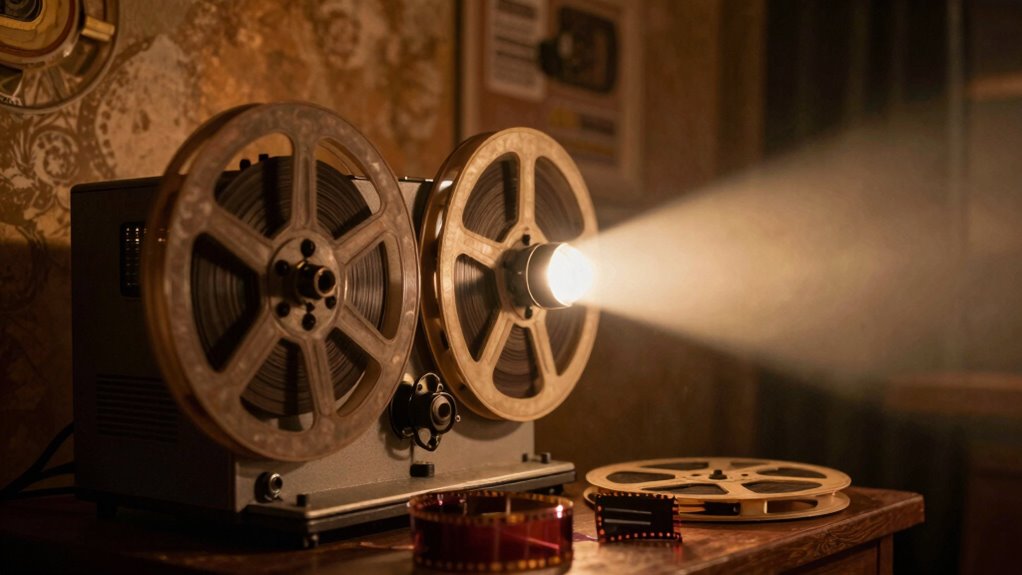
The reason some projector images feel more cinematic is that subtle visual choices shape your perception and emotional response. Elements like color grading and aspect ratio work together to create a mood, add depth, and guide how you experience each scene. These behind-the-scenes decisions make images more authentic and immersive, influencing your feelings without you even realizing it. By paying attention to these details, you can better understand what makes a projection truly cinematic — and there’s more to uncover if you keep exploring.

Get audio and creator gear delivered free — and shop member deals
- Fast, free delivery on millions of items
- Access to Prime Big Deal Days deals on October 6–7
- Prime Video, Amazon Music and more included
Key Takeaways
- Optimal color grading enhances mood, making projected images feel more emotionally immersive and cinematic.
- Wider aspect ratios mimic theatrical screens, creating a sense of grandeur and authenticity.
- Thoughtful framing guides viewer perception, emphasizing scene scale and depth.
- Behind-the-scenes visual choices subtly influence emotional response and scene immersion.
- Combined use of color and aspect ratio crafts a cohesive, cinematic visual experience.
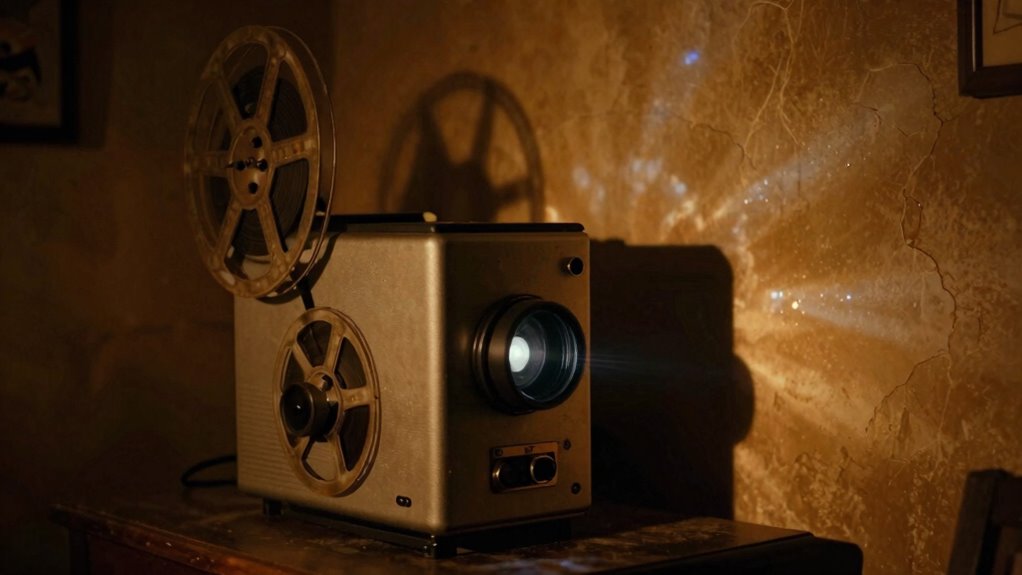
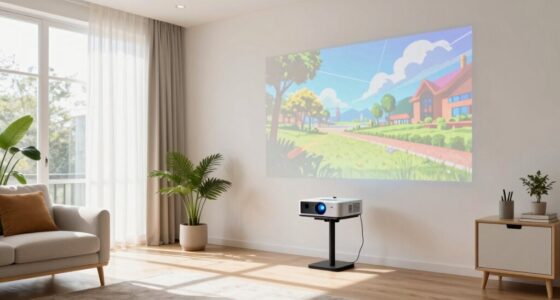
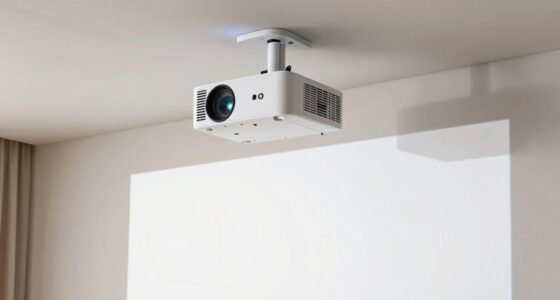
Have you ever noticed how some projector images seem to draw you in more than others, even when the content is similar? It’s subtle, but it’s often about the way the image is crafted behind the scenes, especially through aspects like color grading and aspect ratio. These elements silently influence your perception, making a scene feel more cinematic without you even realizing it. When you watch a film or presentation, your brain responds to the visual cues that evoke emotion and immersion. Color grading plays a pivotal role here; it’s not just about making the image look good, but about setting a mood, emphasizing certain details, and creating a cohesive visual tone. A well-graded image can turn a flat, dull scene into something vibrant and emotionally charged, pulling you deeper into the story. The right color palette—whether warm tones that evoke nostalgia or cool shades that suggest mystery—can make all the difference in how you experience the projection. Additionally, the choice of **aspect ratio** subtly guides your perception by framing the scene in a way that feels familiar and engaging. A wider aspect ratio, such as 2.35:1 or 2.39:1, mimics the cinematic scope you’re used to from theaters, giving the image a grand, immersive feel. This wider frame allows more of the scene to be captured horizontally, making landscapes, action sequences, and detailed backgrounds feel expansive and alive. Conversely, a more traditional 4:3 or 16:9 aspect ratio might feel more contained but can also be used intentionally to create a sense of intimacy or focus. When these two elements—color grading and aspect ratio—are combined thoughtfully, they produce a visual experience that feels more authentic, more powerful, and more cinematic. Recognizing the importance of visual composition can help you better understand why certain images resonate more deeply.
4K projector with high resolution
As an affiliate, we earn on qualifying purchases.
As an affiliate, we earn on qualifying purchases.
Frequently Asked Questions
How Does Projector Resolution Affect Cinematic Quality?
Your projector’s resolution greatly impacts cinematic quality by influencing projection contrast and image sharpness. Higher resolution delivers clearer, more detailed images, making scenes feel more immersive and realistic. When resolution is lower, images appear softer and less defined, reducing cinematic appeal. To achieve a truly cinematic experience, opt for a projector with a high resolution that enhances projection contrast and sharpness, making every scene visually striking and engaging.
Can Screen Size Influence Perceived Cinematic Feel?
Ever wonder if screen size influences how cinematic a film feels? Yes, it can. A larger screen draws you in, making details pop through enhanced image contrast and screen brightness, creating a more immersive experience. When your screen is just right, the larger image lets you notice subtle nuances, heightening realism. So, choosing the right size isn’t just about space—it’s about amplifying the cinematic quality you want to experience.
What Role Does Ambient Lighting Play in Image Perception?
Ambient lighting, especially ambient glow, profoundly impacts how you perceive images. A dim, controlled environment enhances contrast and color richness, making the visuals feel more cinematic. Conversely, light pollution from bright ambient light can wash out details, reducing immersion. You should minimize ambient glow and avoid excessive light pollution to fully enjoy sharp, vibrant projector images, creating a more authentic cinematic experience at home.
Do Projector Brand Differences Impact Cinematic Immersion?
Yes, projector brand differences can impact cinematic immersion because they influence image quality, color accuracy, and brightness, which are vital for a compelling experience. When these elements align with good sound design, your viewer engagement increases, making scenes feel more lifelike and immersive. High-quality projectors reduce distractions, allowing you to focus on the story, thereby enhancing overall cinematic appeal and making your viewing experience more genuine.
How Important Is Color Accuracy for Cinematic Images?
Color accuracy is essential for cinematic images because it guarantees true-to-life colors, enhancing your viewing experience. When a projector maintains precise color grading, it delivers consistent visuals, making scenes more immersive and emotionally impactful. Visual consistency across different scenes and content relies heavily on accurate color reproduction. If the colors are off, the cinematic feel diminishes, so prioritize a projector that emphasizes accurate color rendering for the most authentic experience.
widescreen cinematic aspect ratio projector
As an affiliate, we earn on qualifying purchases.
As an affiliate, we earn on qualifying purchases.
Conclusion
Ultimately, understanding the silent factors behind a projector’s image quality can transform your viewing experience from mere entertainment to a cinematic journey. When your projector’s brightness, contrast, and color accuracy align seamlessly, it’s as if you’ve accessed a secret passage to another world—where images breathe with life and depth. By paying attention to these subtle yet powerful elements, you turn your space into a theater that whispers stories with the quiet elegance of a master storyteller.
As an affiliate, we earn on qualifying purchases.
projector screen for cinematic viewing
As an affiliate, we earn on qualifying purchases.
As an affiliate, we earn on qualifying purchases.
Fall Picks
fall essentials
As an affiliate, we earn on qualifying purchases.