
TL;DR
A lead qualification system that works while you sleep uses structured forms, scoring, and automation to filter prospects based on fit, interest, and readiness. It saves hours, improves pipeline quality, and helps scale your business effortlessly.
Imagine waking up to a list of hot, ready-to-close leads, all sorted and prioritized overnight. No more hours spent filtering through unqualified inquiries or chasing tire kickers at dinner time. This isn’t a pipe dream—it’s what an effective, automated lead qualification system can do for you.
By the end of this guide, you’ll understand how to build a scalable process that filters prospects, scores them based on your criteria, and routes the best ones directly to sales—while you sleep. Ready to cut manual work and boost your pipeline? Let’s get started.
Key Takeaways
- Automate lead qualification with structured forms, scoring, and routing to save hours and focus on high-value prospects.
- Design questions that reveal real fit—budget, authority, need, and timeline—to score leads effectively.
- Regularly monitor and analyze your qualification data to refine thresholds and improve lead quality over time.
- Routing based on scores ensures sales teams spend time only on the most promising leads, increasing close rates.
- Start small, test, and iterate—your qualification system will grow smarter and more efficient with data.
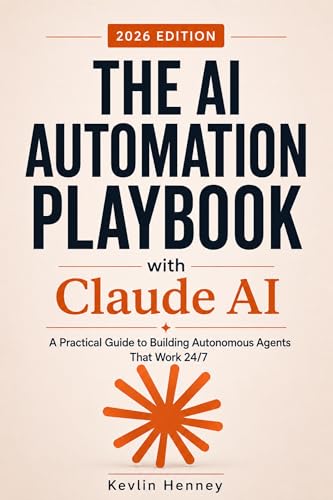
The AI Automation Playbook with Claude AI: A Practical Guide to Building Autonomous Agents That Work 24/7
As an affiliate, we earn on qualifying purchases.
As an affiliate, we earn on qualifying purchases.
What a lead qualification system actually does for your business
At its core, a lead qualification system sorts prospects into categories like hot, warm, or not a fit. But beyond simple sorting, it’s about understanding why these distinctions matter. When you identify a hot lead, you’re recognizing a prospect who has both the need and the capacity to buy soon, which means your sales efforts are more likely to convert efficiently. Conversely, warming up a lead involves nurturing those who show potential but need more engagement or clarification. Recognizing these nuances ensures your team invests time wisely. The scoring process—based on key factors like budget, authority, need, and timeline—serves as a quantitative measure of these qualitative insights. This approach reduces guesswork, allowing your team to prioritize high-value prospects confidently. The implication? Better resource allocation, higher conversion rates, and a more predictable pipeline. The tradeoff, however, is that setting up this system requires understanding your ideal customer deeply and continuously refining your scoring criteria to reflect evolving market conditions. Without this depth, your qualification process risks becoming superficial, leading to misclassified leads and missed opportunities.
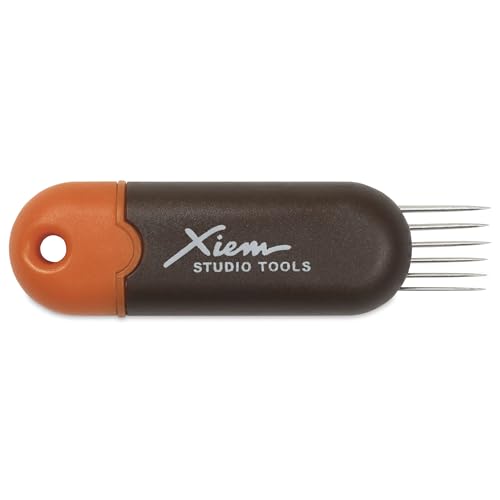
Xiem Tools Retractable Scoring Tool for Pottery and Ceramics
The Xiem retractable scoring tool provides an ergonomic solution to scoring and storing.
As an affiliate, we earn on qualifying purchases.
As an affiliate, we earn on qualifying purchases.
Why manual qualification kills your growth and how to fix it
Manual qualification may seem straightforward at first, but its limitations run deep. It’s inherently slow because it relies on human review, which introduces delays—especially when leads come in outside of working hours. This lag can mean losing prospects to competitors who respond faster. More critically, manual processes are prone to inconsistency. Different team members may interpret questions differently or apply varying standards, leading to uneven lead quality and missed opportunities. This inconsistency erodes trust in your qualification process and hampers scaling efforts. Furthermore, manual qualification is a resource drain; it consumes valuable sales team hours that could be better spent closing deals or nurturing promising leads. The tradeoff is clear: manual processes may seem simple initially but are unsustainable at scale. By automating, you standardize the qualification criteria, ensuring every lead is evaluated against the same benchmarks, which improves pipeline quality and predictability. The key is recognizing that automation isn’t just about saving time—it’s about creating a consistent, fair, and data-driven process that can grow with your business.
automated lead routing system
As an affiliate, we earn on qualifying purchases.
As an affiliate, we earn on qualifying purchases.
Build your perfect lead qualification funnel in 4 steps
Replacing your basic contact form with a multi-step quiz might seem simple, but its real power lies in mimicking a nuanced sales conversation. Each question should be designed not just to gather data but to reveal underlying motivations and constraints. For example, asking about budget and urgency helps you understand the prospect’s capacity and commitment level, which directly impacts their likelihood to convert. When designing questions, consider the implications: poorly worded questions can lead to inaccurate scores, which in turn misclassify leads. The scoring system must reflect the true value of each response—assigning appropriate weight to critical factors, but also allowing for flexibility as you learn what truly predicts conversion. Routing based on scores is equally vital; high scores should trigger immediate engagement, while lower scores might require nurturing or educational content. Tracking where prospects drop off or score too low provides insights into question clarity and relevance—perhaps some questions are confusing or irrelevant, leading to misclassification. Over time, refining these questions and scores creates a more precise funnel, increasing the quality of leads reaching your sales team. The tradeoff here is that initial setup requires effort and understanding of your ideal customer, but the payoff is a scalable, self-improving system that adapts to your evolving target market.

The Legacy Builder
As an affiliate, we earn on qualifying purchases.
As an affiliate, we earn on qualifying purchases.
Frequently Asked Questions
How do I define my ideal customer profile for qualification?
Start by analyzing your best past clients. Look at industry, company size, revenue, decision-maker roles, and growth signals. Use this data to craft clear criteria that your qualification questions will target, ensuring you’re attracting the right prospects from the start.
What’s the difference between BANT and MEDDIC frameworks?
BANT focuses on Budget, Authority, Need, and Timeline—great for straightforward sales. MEDDIC adds Metrics, Decision Criteria, and Identifying Pain, making it better for complex, enterprise deals. Choose based on your sales cycle complexity.
How do I integrate AI into my qualification process?
AI can evaluate engagement signals, intent, and company data in real time to score leads automatically. Many tools now connect with your forms and CRMs to provide dynamic scoring, freeing your team from manual vetting and improving accuracy over time.
How often should I review and update my qualification thresholds?
Set a monthly review schedule. Analyze your performance data—drop-offs, scores, conversion rates—and adjust questions and scoring accordingly. Continuous tweaking ensures your system adapts to changing market conditions and improves results.
Conclusion
Automation isn’t just a time-saver—it’s a game-changer for scaling your pipeline. By building a lead qualification system that works while you sleep, you free your team to focus on closing, not chasing. Your best leads will find you, and your pipeline will stay full without extra hours.
Think of it as setting a smart trap—one that filters prospects before they reach your inbox. As your system learns and improves, it becomes your secret weapon for steady growth. So, what’s stopping you from making this your new standard?