
If black-and-white movies look gray, it’s often because of how contrast and gamma are set. Contrast controls the difference between light and dark areas; higher contrast makes shadows darker and highlights brighter, creating more drama. Gamma adjusts midtones, affecting how dark or bright most of the scene appears. When not balanced right, images can seem flat or overly dull. Keep exploring to find out how these settings work together to make movies pop with depth and mood.
Key Takeaways
- Low contrast makes images look dull and gray by reducing the difference between light and dark areas.
- Proper contrast emphasizes shadows and highlights, giving depth and avoiding a flat appearance.
- Gamma controls midtones; incorrect gamma can cause scenes to look washed out or overly dark.
- Balancing contrast and gamma ensures black-and-white movies have rich, defined grayscale tones.
- Adjusting these settings helps preserve details and creates the intended mood, preventing images from looking flat or gray.
Have you ever wondered how images can look so vibrant or sometimes dull? It all comes down to how contrast and gamma are managed in the image. When it comes to black-and-white movies, especially those in the film noir style, the way grayscale tones are presented can make a huge difference in setting the mood. Film noir is famous for its sharp contrasts, deep shadows, and moody atmosphere, all achieved through careful control of contrast and gamma. These elements determine how light or dark each part of the image appears, shaping the overall feel of the scene.
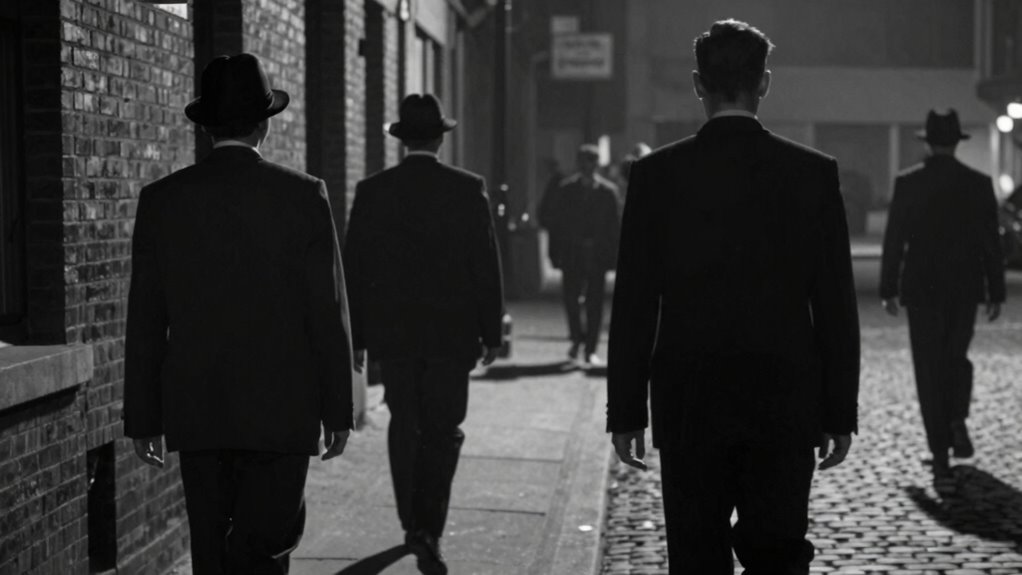
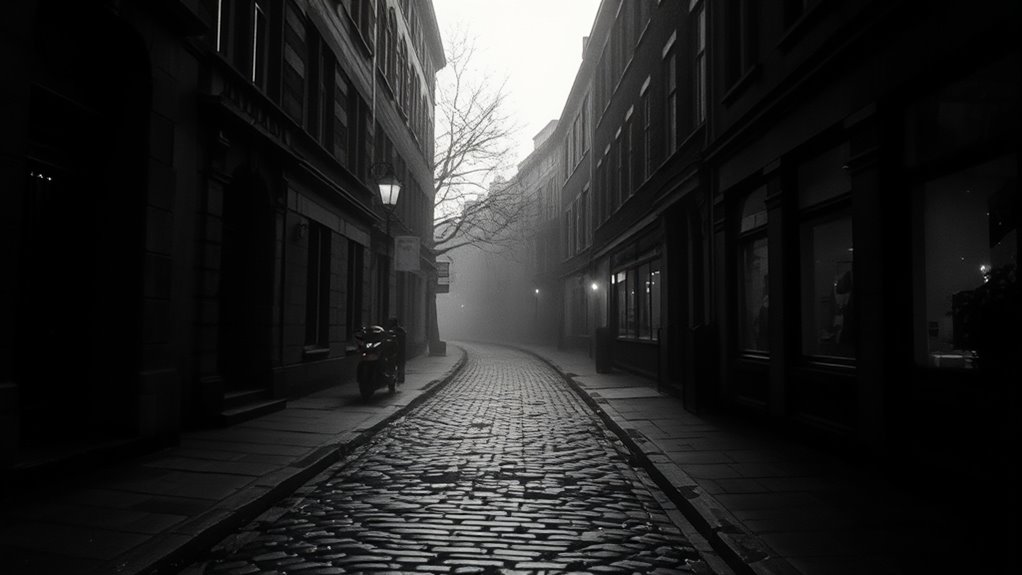
Contrast is fundamentally the difference between the lightest and darkest parts of an image. If you increase contrast, bright areas become brighter, dark areas become darker, and the image looks more dramatic. Conversely, lowering contrast makes the scene appear softer and more muted, with less distinction between shades of gray. In film noir, high contrast is used intentionally to evoke tension, mystery, or danger. The stark grayscale tones create a sense of depth and emphasize shadows, adding to the film’s suspenseful and gritty aesthetic. If contrast isn’t adjusted correctly, the film can either look flat—lacking depth—or overly harsh, which can distract from the story.
Contrast highlights the difference between light and dark, shaping mood and depth in black-and-white films.
Gamma, on the other hand, controls how midtones are rendered. Think of gamma as the bridge between the dark and light parts of the image. Adjusting gamma influences how bright or dark the middle shades appear without drastically changing the extremes. A lower gamma makes midtones darker, enhancing shadows, while a higher gamma brightens midtones, making details more visible in the mid-range. Proper gamma correction ensures that the grayscale tones in a black-and-white film are balanced, preserving detail in both shadows and highlights. If gamma isn’t calibrated well, scenes can look washed out or overly dark, undermining the intended mood. An understanding of image calibration is essential for achieving the desired visual impact.
When you watch a classic film noir, notice how the grayscale tones are carefully balanced to evoke emotion and atmosphere. The contrast accentuates shadows and shapes, making the scene feel alive with tension or mystery. If the contrast is too low, the image loses its punch, and the scene can seem flat or lifeless. Too high, and details in the shadows might get lost, or the image could become too harsh. Similarly, gamma adjustments ensure that you see all the subtle shades that give depth to the scene. Understanding how contrast and gamma work together helps explain why some black-and-white movies look strikingly vivid, while others seem dull or flat. It’s all about how these settings are tuned to bring the grayscale tones to life, creating the mood that the filmmakers intend.
Frequently Asked Questions
How Do Contrast and Gamma Affect Color Films Differently?
Contrast and gamma affect color films differently by shaping their brightness and color saturation. Higher contrast makes bright areas brighter and dark areas darker, emphasizing film grain and making colors pop. Gamma adjusts overall brightness, controlling how vivid or muted colors appear. If gamma is too high, colors look washed out; too low, they become overly saturated. Both settings influence the film’s mood, clarity, and overall visual impact.
Can Adjusting Gamma Improve Black-And-White Movie Quality?
Adjusting gamma can definitely improve black-and-white movie quality, especially during film restoration. It helps enhance contrast and detail, making the images appear sharper and more vivid. Your viewing environment matters too; a well-lit room can reduce the perception of grayness. By fine-tuning gamma settings, you create a richer visual experience, bringing out the depth and character that might otherwise seem dull or flat.
What Tools Are Used to Measure Contrast and Gamma?
You use tools like a waveform monitor and a vector scope to measure contrast and gamma. These tools perform histogram analysis, showing the distribution of brightness levels, and assist in color calibration, ensuring accurate blacks and whites. By analyzing the histogram, you can see if the contrast is balanced or if gamma adjustments are needed, helping your black-and-white movies look vibrant and detailed instead of gray.
Do Modern Screens Display Black-And-White Movies Better?
Modern screens absolutely blow old black-and-white movies out of the water with their stunning clarity and vibrant contrast. Thanks to film restoration and digital remastering, these movies look brighter, sharper, and more detailed than ever before. You’ll see every shadow and highlight perfectly, making the experience feel fresh and immersive. So yes, today’s screens deliver black-and-white films in a way that’s more vivid and mesmerizing than you ever imagined.
How Does Scene Lighting Influence Contrast and Gamma Settings?
Scene lighting directly affects contrast and gamma settings by controlling scene brightness. When you adjust the lighting setup, you change how light and dark areas appear, making details pop or fade. Bright scenes require lower gamma to prevent glare, while dimmer scenes need higher contrast to distinguish elements. You should balance scene brightness carefully, ensuring contrast and gamma settings enhance the mood and clarity without making the image look washed out or too dark.
Conclusion
Understanding contrast and gamma helps you see black-and-white movies in a whole new light. When you tweak these settings, it’s like turning on a superpower that reveals hidden depths and details you never noticed before. Don’t let your screen rob you of the rich, dramatic world these films offer—embrace the clarity and richness that contrast and gamma bring. Once you get it, you’ll never watch a black-and-white movie the same way again; it’s truly a revelation.