TL;DR

Get audio and creator gear delivered free with Prime
- Fast, free delivery on millions of items
- Prime Video, Amazon Music and more included
- Member-only deals all year
Acoustic foam alone won’t soundproof your closet. The best way to quiet a rig is to move it out of the room or ensure proper ventilation and sealing. Proper placement of treatment and smart DIY solutions can dramatically improve sound quality. For more tips, see this guide.
Acoustic dampening
& the rig in the closet.
The most powerful noise fix isn’t a material — it’s a floor plan. A rig you can’t hear because it’s in another room beats any amount of foam. Tap the approaches in Part 1 to see what actually works.
(another room)
(levers 1–4)
(door / barrier)
(acoustic foam)
Contain the noise, not the heat
Key Takeaways
- Foam alone doesn’t soundproof a closet—seal gaps and add mass for true noise reduction.
- Place absorption panels strategically: behind the mic, side walls, and door for maximum impact.
- Seal all gaps around the door and outlets to prevent sound leaks.
- Ensure proper ventilation—active airflow keeps your rig cool and quiet.
- DIY solutions like blankets and rugs can significantly improve sound quality on a budget.
soundproof acoustic foam panels for recording
As an affiliate, we earn on qualifying purchases.
As an affiliate, we earn on qualifying purchases.
Why Foam Alone Won’t Make Your Closet Soundproof
Foam absorbs reflections inside a space, but it doesn’t block sound from escaping. Think of foam like soft carpeting—it makes your room less echoey but doesn’t prevent noise from leaking out.
In a closet, this means you might reduce reverb but still hear your rig’s hum through the door or cracks. A real soundproofing effort involves sealing gaps and adding mass, not just lining the walls with foam.
For example, a YouTube creator found her voice recordings clearer after sealing the door edges and adding a thick blanket over it, rather than just sticking foam panels on the walls.
Understanding this distinction matters because many assume foam is enough, but in reality, soundproofing is about controlling both what stays inside and what escapes. The tradeoff is that foam is easy and inexpensive but limited; for more serious noise reduction, combining it with sealing and mass addition is essential. This layered approach ensures your sound stays contained and your recordings are cleaner.
As an affiliate, we earn on qualifying purchases.
Where to Place Absorption and Reflection Control for Best Results
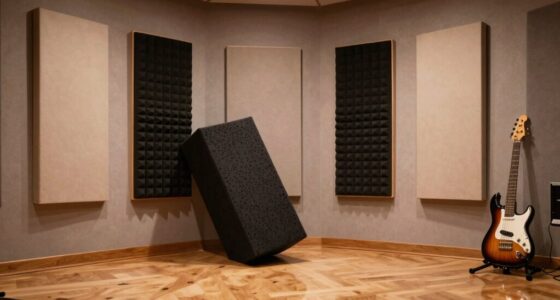
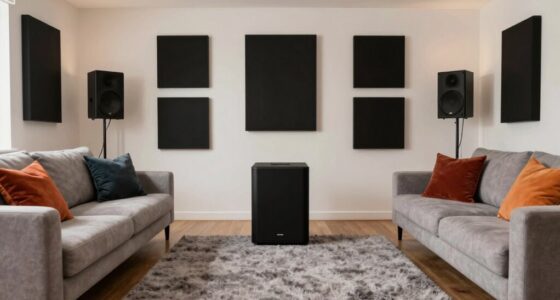
Proper placement is king in a closet booth. Learn more about acoustic treatment here. Start with the wall behind your mic—this is often the biggest source of early reflections. Cover it with thick panels or blankets for a smoother sound.
Next, treat the side walls and ceiling within arm’s reach. Even small foam squares or blankets can tame flutter echo and reduce roominess.
Don’t forget the door: a blanket or foam on the door surface stops sound leaks and reduces reflections bouncing back into your mic. A rug on the floor also absorbs low-end buildup and prevents that boomy, boxy sound.
Imagine standing in your closet—your voice hits the wall behind you, bounces back, then gets absorbed or diffused. Proper placement turns a small, resonant space into a controlled environment.
But why does placement matter so much? Because sound waves reflect differently depending on where they hit. Placing panels at the primary reflection points—like the wall behind you and the sides—breaks up these reflections early, leading to a clearer, more natural sound. If you neglect placement, you risk creating a space with uneven sound, dead spots, or lingering echoes that muddle your recordings. The tradeoff is that precise placement might require some trial and error, but investing time here yields the best improvement in sound quality for minimal cost.
As an affiliate, we earn on qualifying purchases.
How to Seal Gaps and Block Sound Leaks Effectively
Gaps around the door, outlets, and wall edges are sound’s secret passages. Sealing them stops most of the airborne noise from escaping. Check out this article for detailed sealing techniques.
Use weatherstripping around the door frame—cheap and effective. For outlets, install acoustic sealant or outlet gaskets to block the leak points.
Check for gaps at the base of the door or where walls meet the ceiling. Fill these with foam strips or acoustic caulk. It’s surprising how much sound sneaks through tiny cracks.
Think of your closet as a sealed box—every crack is a tiny leak. Seal thoroughly, and your noise reduction skyrockets. This process matters because even small gaps can significantly undermine your acoustic treatment. The tradeoff is that sealing can be time-consuming, especially in older or imperfect structures, but the payoff is a much quieter environment. Without proper sealing, your efforts with foam and panels are less effective, as sound leaks continually undermine your soundproofing efforts.
As an affiliate, we earn on qualifying purchases.
Ventilation and Heat Management in a Closet Rig
A sealed closet traps heat—hot GPUs generate hundreds of watts of heat, which can turn your space into a sauna. Without proper ventilation, your rig overheats, fans roar, and your noise problem worsens.
Implement active ventilation with a quiet exhaust fan and intake vent. For more on cooling strategies, see this guide. This keeps heat moving out while preventing sound leaks. For example, a creator installed a small ducted fan with a noise level under 20 dB, keeping his rig cool and quiet.
Don’t fully seal the space unless you have a controlled airflow system. An open vent or ducted exhaust ensures your hardware stays cool without turning your closet into an oven. Recognize that heat and noise are interconnected—overheating can cause fans to run at higher speeds, increasing noise levels. Proper ventilation is not just about comfort but also about preserving your sound quality. The tradeoff involves finding a balance: seal enough to contain sound but allow sufficient airflow to prevent overheating. Checking out [this guide](https://thorstenmeyerai.com/reduce-heat-noise-ai-workstation/) can provide more insights into cooling strategies that preserve noise control while managing heat effectively.
DIY Solutions for a Quiet, Cool Closet Rig
On a budget? No problem. Use moving blankets, thick curtains, or even old comforters to cover walls, door, and floors. Find more DIY solutions at this resource. These materials act as both absorber and barrier.
Attach blankets with thumbtacks or tension rods—easy to remove or reconfigure. Combine this with a foam panel behind the mic and on key reflection points.
Place a rug on the floor and seal gaps with weatherstripping or draft stoppers. These low-cost fixes can cut noise by 70%, especially when combined with proper placement and ventilation.
Some DIY creators swear by stacking multiple blankets and adding a portable fan for airflow. It’s simple, effective, and adaptable. The key is understanding that these low-cost approaches are most effective when combined with strategic placement and sealing, creating a comprehensive DIY treatment that balances sound absorption, leakage prevention, and heat management.
Should You Use Bass Traps in a Small Closet?
Bass traps absorb low-frequency buildup, which is common in small, parallel-walled spaces like closets. If your recordings sound boomy or muddy, bass trapping can help tighten the sound.
Use 4-inch thick panels in the corners or add DIY traps with mineral wool or rigid foam. For example, a streamer added bass traps in the closet corners and saw a 50% reduction in low-end muddiness.
In small spaces, even a couple of bass traps can make a noticeable difference, especially when combined with broad absorption panels for mid and high frequencies.
Remember: thicker panels and strategic placement in corners are key for low frequencies. Failing to address low-end issues can lead to a boomy, muddy sound that’s difficult to correct later. Bass trapping is a critical step in achieving a balanced, professional sound in small spaces, but it requires careful placement and consideration of room modes to avoid overly dead spots.
Balancing Absorption, Reflection, and Ventilation: The Sweet Spot
Effective closet sound treatment balances absorbing reflections and managing heat. Too much absorption makes the space dead; too little leaves it echoey.
Combine thick panels behind the mic with some diffusion or soft furniture to keep sound natural. Ensure ventilation is active—fans or ducted airflow prevent overheating.
For instance, a YouTuber used a combination of foam on walls, a small vent fan, and a thick rug—creating a space that’s quiet, cool, and natural sounding.
Think of your closet as a mini studio—treat it like one, with the right mix of absorption, sealing, and airflow. The key is understanding that over-absorbing can deaden your sound, making it unnatural, while too little leaves the space echoey and uncontrolled. Achieving the right balance involves experimenting with different materials and placements, and always ensuring adequate ventilation. This balance is what turns a simple closet into a functional, professional-sounding workspace.
Frequently Asked Questions
Does acoustic foam soundproof a closet?
No. Acoustic foam absorbs reflections and reduces echo inside the space, but it doesn’t block sound from escaping. For true soundproofing, sealing gaps and adding mass are necessary.Where should I place acoustic panels in my closet booth?
Start with the wall behind your mic—this is the primary reflection point. Add panels on side walls, the ceiling, and the door to control reflections and leaks effectively.Do I need bass traps in a small closet?
Yes, if you notice boomy or muddy low frequencies. Small closets often develop standing waves, so adding bass traps in the corners helps tighten the sound.How thick should my panels be?
For a small closet, 2-inch thick panels typically work well. Larger spaces or more serious treatment may benefit from 4-inch panels or bass traps.What’s the cheapest way to improve my closet rig?
Use blankets, rugs, door seals, and basic DIY absorption. These low-cost fixes can make a significant difference without breaking the bank.Conclusion
Turning your closet into a quiet, effective workspace isn’t about buying the most foam. It’s about smart placement, sealing leaks, and managing heat. When you combine these tactics, your rig stays silent, cool, and ready to perform. Your perfect little studio is within reach—just treat it like one.Halloween Picks
halloween
As an affiliate, we earn on qualifying purchases.