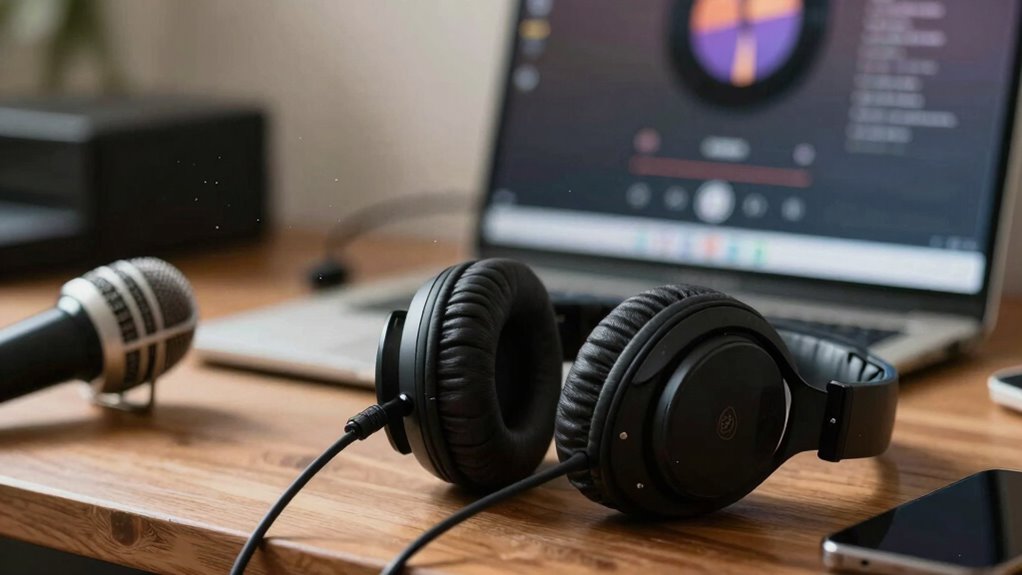
Your sound cutting out right when things get good is often caused by interference from other electronic devices or weak connections. Wireless signals like Wi-Fi, Bluetooth, or microwaves can disrupt audio, especially if you’re close to the source or these devices are turned on nearby. Outdated software or incompatible devices can also cause dropouts. Moving closer, turning off nearby gadgets, or updating your device can help. If you want to learn more about fixing these issues, keep exploring the details.
Key Takeaways
- Wireless interference from nearby devices like Wi-Fi or Bluetooth can cause audio dropouts during critical moments.
- Outdated device firmware or incompatible hardware may lead to unstable sound when the audio is at its best.
- Weak network signals or congestion can result in buffering or interruptions at key points.
- Loose or damaged cables can intermittently disrupt audio just as the sound improves.
- Misconfigured audio settings or app preferences might cause sound cutouts during peak moments.
If your sound keeps cutting out, it can be incredibly frustrating, especially when you’re in the middle of a call, a movie, or a playlist. You’re immersed in the moment, and suddenly, the audio drops or becomes choppy. Often, this happens because of audio interference, which occurs when other electronic devices emit signals that disrupt your audio connection. Wireless signals, such as Wi-Fi, Bluetooth, or even nearby microwaves, can interfere with your device’s ability to transmit sound smoothly. If you’re using Bluetooth headphones, for instance, other devices in the vicinity might be causing interference, leading to those annoying dropouts right when things get good. To fix this, try moving closer to your source device or turning off nearby gadgets that could be causing interference.
Audio interference from nearby devices can cause sound dropouts—try moving closer or turning off other electronics.
Another common culprit behind inconsistent sound is device compatibility issues. Not every device plays well together, especially if firmware or software isn’t up to date. When your device isn’t fully compatible with your audio equipment, you might experience dropouts or static. This is particularly true with older gadgets or third-party accessories. Ensuring your device’s software is current can help improve compatibility and stability. Sometimes, simply disconnecting and reconnecting your Bluetooth device, or restarting your system, resets the connection and clears up minor glitches. Keeping your device’s software up to date can prevent many of these issues from occurring in the first place. Additionally, understanding audio interference and how it impacts wireless connections can help in troubleshooting persistent problems more effectively.
Your connection quality also plays a significant role. If you’re streaming content over Wi-Fi or mobile data, a weak signal can cause buffering and sound interruptions. On Wi-Fi, network congestion or low bandwidth might be the problem. Moving closer to your router or switching to a less congested network can make a difference. For mobile data, switching to a stronger signal or turning on airplane mode temporarily can help stabilize the connection. If you’re using wired connections, check your cables and ports for damage or looseness, as these physical issues can interrupt audio transmission. Additionally, signal interference from other electronic devices can degrade your connection quality even further, making troubleshooting more complex. Recognizing and mitigating these sources of interference can significantly improve your overall audio experience.
Finally, software settings might be the root of the problem. In some cases, your device’s audio settings or the app’s preferences could be misconfigured. Adjusting audio output settings, disabling enhancements, or resetting the app can sometimes resolve the issue. If none of these solutions work, consider testing your audio device with another source to determine whether the problem lies with the device itself or the source signal. Understanding the root cause—be it audio interference, compatibility issues, or connection quality—can help you troubleshoot more effectively and restore seamless sound just when things get good.
Bluetooth headphones with noise cancellation
As an affiliate, we earn on qualifying purchases.
As an affiliate, we earn on qualifying purchases.
Frequently Asked Questions
Can Interference From Other Devices Cause Sound Cutouts?
Yes, interference from other devices can cause sound cutouts. Wireless interference from nearby electronics, like routers, cordless phones, or Bluetooth devices, disrupts your signal and leads to frequent audio dropouts. This signal disruption weakens the connection between your device and the sound source, causing interruptions right when you’re enjoying your content. To reduce this, move devices away from potential sources of wireless interference and guarantee your connection is stable.
Does Using Bluetooth Affect Sound Stability During Critical Moments?
Did you know Bluetooth devices experience up to 150ms latency? During critical moments, using Bluetooth can affect sound stability because of audio compression and latency issues. This delay might cause audio to cut in and out or feel out of sync, especially in fast-paced scenes. To avoid interruptions, consider wired connections or Bluetooth devices with low latency features, ensuring your sound stays reliable when you need it most.
How Does Speaker Placement Influence Sound Interruptions?
Your speaker placement greatly influences sound stability, especially during critical moments. Proper speaker orientation guarantees sound waves travel efficiently, reducing interruptions. Pay attention to room acoustics—placing speakers near walls or reflective surfaces can cause sound distortions or cutouts. Ideally, position your speakers in open spaces, angled towards your listening area, to minimize interference and ensure a smooth, uninterrupted listening experience when things get exciting.
Can Software Updates Fix Audio Cutting Issues?
Yes, software updates can fix audio cutting issues. They often address software glitches and firmware bugs that cause interruptions. When you install updates, you improve stability and compatibility, reducing the chances of sound dropouts. Keep your device’s firmware current to guarantee peak performance. Regular updates help resolve known issues, so if you’re experiencing sound cuts, check for the latest updates and install them to enjoy uninterrupted audio.
Is There a Way to Test My Audio Equipment for Faults?
Yes, you can test your audio equipment for faults by checking the audio cable quality and microphone sensitivity. First, swap out the cables with known-good ones to see if the issue persists. Next, test your microphone in different environments and levels to verify sensitivity isn’t causing dropout. Using audio testing software or devices can also help identify faults, giving you a clear idea of what needs fixing or replacing.
Wi-Fi signal booster for better streaming
As an affiliate, we earn on qualifying purchases.
As an affiliate, we earn on qualifying purchases.
Conclusion
So, next time your sound cuts out just when things get exciting, remember it’s like a movie scene suddenly going silent—frustrating, but fixable. Think of your device as a skilled musician, sometimes hitting a wrong note unintentionally. With a little troubleshooting—like updating drivers or checking connections—you’ll be back to the show, fully immersed. Don’t let tech glitches steal your groove; instead, fix them and keep the good times rolling.
wireless audio transmitter and receiver
As an affiliate, we earn on qualifying purchases.
As an affiliate, we earn on qualifying purchases.
cable tester for audio equipment
As an affiliate, we earn on qualifying purchases.
As an affiliate, we earn on qualifying purchases.