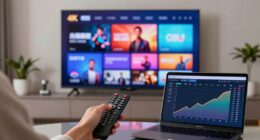
To fix HDMI dropouts every few minutes, start by inspecting your HDMI cables and connectors for damage and make certain they’re securely connected. Test with a different port and try a new high-quality cable to rule out faulty hardware. Check your device and display settings, making sure resolutions match and firmware is up to date. If issues persist, test with alternative devices to identify the root cause. Continue exploring for more detailed solutions to stabilize your connection.
Key Takeaways
- Inspect and replace damaged or low-quality HDMI cables, ensuring they support high-speed data transfer and compatible standards.
- Test different HDMI ports and secure connections to rule out port damage or loose cables causing dropouts.
- Verify device and display settings match supported resolutions and enable necessary HDMI modes or firmware updates.
- Update device firmware, drivers, and try alternative cables or devices to isolate whether the issue is hardware or software related.
- Maintain clean, undamaged HDMI ports and follow best connection practices to ensure stable, long-term signal integrity.

Golf Simulator Projector Cover - Floor Mounted Enclosure with Cooling Fan for Optimal Protection of Outdoor Golf Simulation Projectors - Compatible with Leading Golf Simulators and Projectors
✅【Economical Solution】The Golf Simulator Projector Cover offers a budget-friendly alternative to ceiling installations, allowing you to easily position...
As an affiliate, we earn on qualifying purchases.
Check the HDMI Cable and Connectors
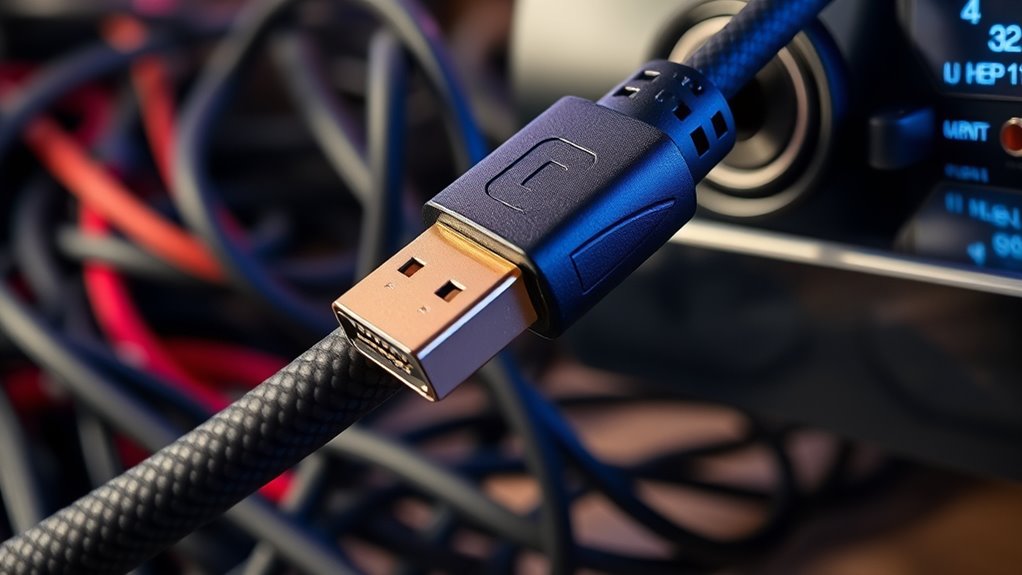
If you’re experiencing HDMI dropouts, the first thing to do is inspect your HDMI cable and connectors. Check for visible damage, such as fraying or bent pins, and make sure the cable is securely plugged into both devices. Sometimes, a loose connection can cause signal interruptions. Try gently wiggling the cable to see if the picture flickers or cuts out; if it does, the cable might be faulty. Also, examine the connectors for dust or debris, which can interfere with the signal. Cleaning the connectors with a soft cloth or compressed air can help. If your cable looks damaged or old, replacing it with a higher-quality HDMI cable might resolve the issue quickly. Ensuring a solid connection is a vital first step in troubleshooting HDMI dropouts. Additionally, considering the quality of the HDMI cable can significantly impact signal stability and overall performance. For optimal results, using a high-quality HDMI cable designed for high-speed data transfer can make a noticeable difference in reducing dropouts. Regularly checking and replacing cables as needed aligns with best practices for maintaining signal integrity and avoiding intermittent disruptions. Moreover, selecting the correct HDMI version compatible with your devices can help minimize connection issues. Being aware of the wiring standards and compatibility specifications can further ensure reliable connections and reduce dropout frequency.

Projector Dust Cover for Ceiling Video Projector at Home or Outdoor Installation, Waterproof Dustproof Protection Case, 14"x14"x 9"
Ultimate Protection: waterproof cover protects your video projector from dust, scratches, and water damage or other possible factors...
As an affiliate, we earn on qualifying purchases.
Test With a Different HDMI Port
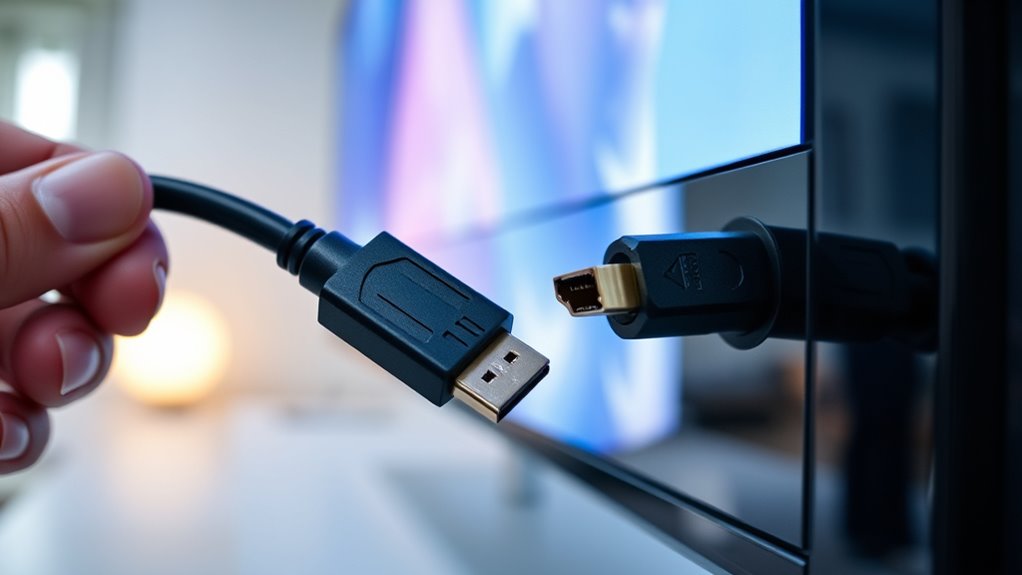
Trying a different HDMI port on your device can quickly identify whether the original port is causing the dropout issues. If your device has multiple HDMI outputs, switch the cable to another port and observe if the problem persists. Sometimes, a port may be damaged or have poor internal connections, leading to dropouts. If the issue stops when using a different port, you’ve likely found the culprit. Conversely, if dropouts continue, the problem probably lies elsewhere, such as the cable or device settings. Make sure to test the new port with the same cable and device to isolate the issue. This simple step can save you time and help narrow down the root cause, ensuring you focus on the right fix. Additionally, hardware faults in smart home devices can sometimes cause similar connectivity issues, so consider inspecting your equipment for physical damage. Checking for connection stability issues can also reveal underlying problems affecting HDMI performance. Being aware of common hardware issues can further guide your troubleshooting process, especially since internal port damage can be difficult to detect without proper testing. Regularly performing preventive maintenance can help catch these problems early before they lead to significant disruptions.

Projector Dust Cover,Projector Cover Outdoor Case Protective,Dust-Proof,UV-Resistant,Moisture-Proof,Fit for Ceiling Video Mounted Equipment Enclosure Oxford,Cloth Drawstring(13.7" X 13.7" X 8.6")
【Projector Dust Cover Material and Design】: Mainly made of waterproof elastic Oxford cloth, with a sturdy and durable...
As an affiliate, we earn on qualifying purchases.
Inspect and Secure All Connections
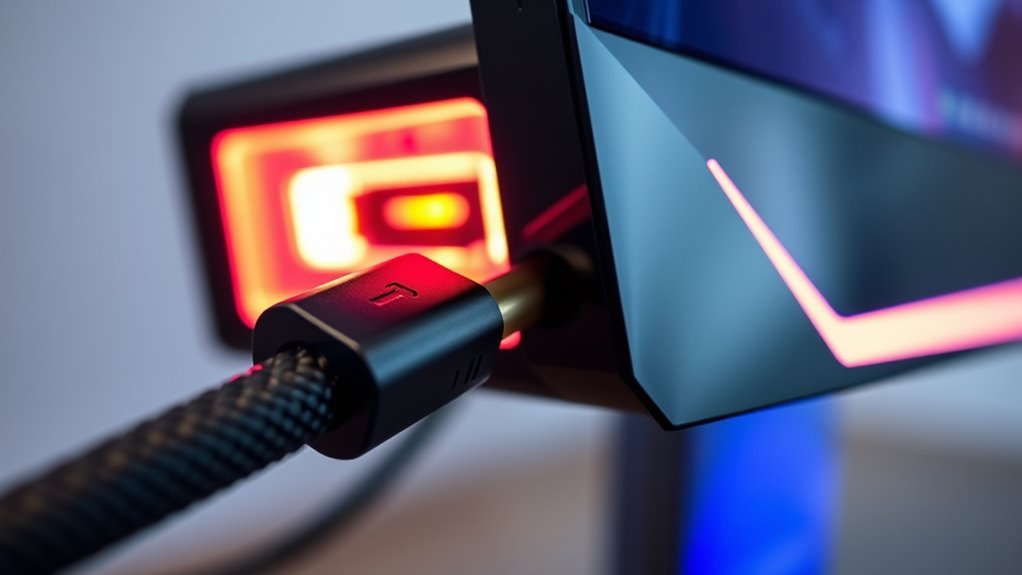
Once you’ve tested different HDMI ports and ruled out port damage, the next step is to inspect and secure all connections. Turn off your devices before touching any cables to avoid electrical issues. Check each HDMI cable connection at both ends, ensuring they are firmly plugged in and seated properly. Look for bent or damaged pins inside the connectors, which can cause interruptions. If any cables feel loose, unplug and reinsert them, pressing firmly but gently. Also, inspect the ports for dust, debris, or corrosion that could interfere with signal transmission. Clean the ports carefully with compressed air if needed. Securing tight, clean connections helps maintain a stable signal and reduces the chances of dropouts. Additionally, understanding connection integrity and how to properly maintain it can prevent future issues. Maintaining proper cable management can also reduce strain and disconnections over time. Regularly inspecting and protecting connections from wear and environmental factors is essential for long-term reliability. To further improve connection stability, consider applying protective measures such as cable clips or covers to prevent accidental disconnections. Ensuring that your cables are of good quality and suitable for your setup can also make a significant difference in signal stability.

Projector Dust Cover,Fit for Ceiling Mounted Projector and Universa Projector Waterproof,Dust-Proof, UV-Resistant Cover Oxford Cloth,Dimensions13.7" x 13.7" X 8.6"
Projector dust cover: Protect the projector surface from damage. Keep the projector clean and prevent it from being...
As an affiliate, we earn on qualifying purchases.
Try Using a Different HDMI Cable
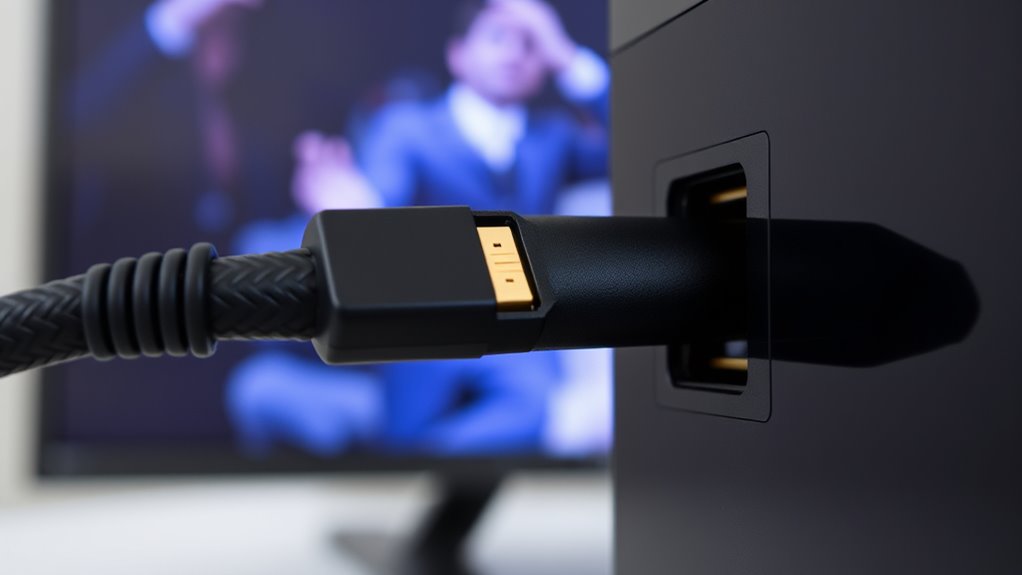
Using a different HDMI cable is a quick way to determine if the cable itself is causing the dropout issues. A faulty or damaged cable can easily disrupt the signal, leading to intermittent dropouts. To test this, swap out your current HDMI cable with a known-good one. As you do, picture yourself:
- Unplugging the existing cable, feeling the connectors click as they disconnect.
- Picking up a fresh, shiny cable, its pins straight and intact.
- Connecting it securely to your devices, hearing a satisfying click.
- Watching the cable’s length and quality, imagining thicker shielding for better signal stability.
- Powering on your devices, ready to see if the connection remains steady.
- Remembering that cable quality and proper shielding play a crucial role in maintaining a stable connection over time.
- Considering that HDMI standards can affect performance, so ensuring compatibility can help prevent dropouts.
- Recognizing that signal interference from nearby electronic devices can also impact your connection, so positioning your setup carefully can improve stability.
- Additionally, checking that your devices are using the latest firmware can help optimize device compatibility and reduce connection issues.
This quick swap can often reveal whether the cable is the culprit, saving you time and hassle.
Verify Device Compatibility and Settings
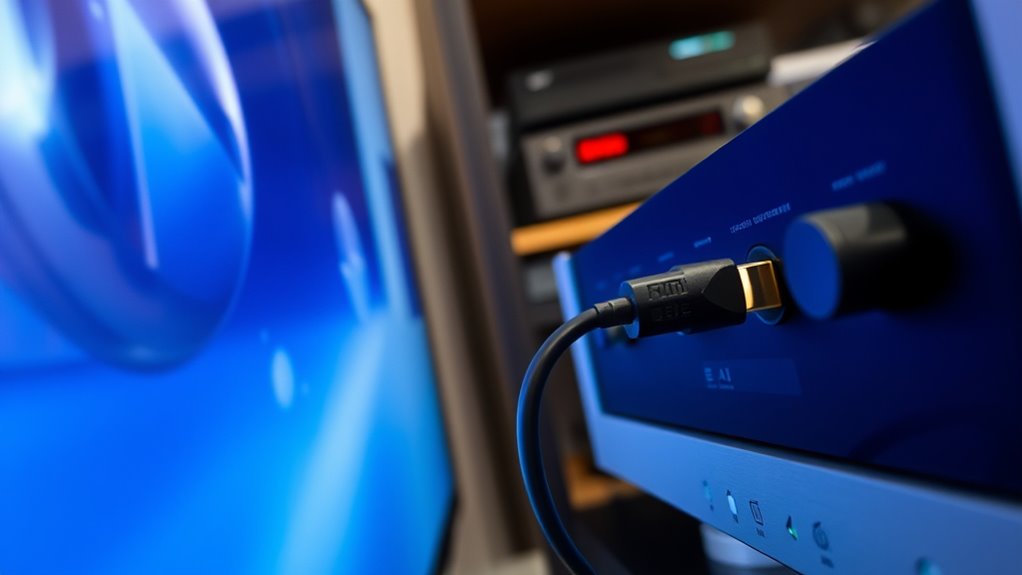
First, make sure your devices are compatible with each other and support the HDMI features you need. Then, check that your HDMI settings are correctly configured on all devices, such as input/output selection and resolution. Ensuring compatibility and proper settings can often resolve dropout issues quickly. Additionally, selecting energy-efficient settings can help maintain stable connections and reduce interference. Regularly inspecting and maintaining cabling and connections can also prevent signal loss and improve overall stability. Being aware of device compatibility can further minimize connection problems and enhance your setup’s reliability. To stay ahead of potential issues, monitor for market manipulations that could impact your equipment’s performance or the environment in which your devices operate.
Check Device Compatibility
Before troubleshooting HDMI dropouts, it’s essential to verify that your devices are compatible and properly configured. Check if your source device, like a Blu-ray player or gaming console, supports HDMI standards your display requires. Make certain your TV or monitor recognizes the input and isn’t limited by outdated firmware. Confirm that your HDMI cables are rated for the resolution and refresh rate you intend to use. Verify that your device settings align with your setup, such as selecting the correct HDMI input or enabling any necessary HDMI-related options. Visualize:
- Connecting a 4K device to a 4K TV with the latest firmware
- Using high-speed HDMI cables rated for 4K or HDR
- Making sure your gaming console supports HDMI 2.0 or higher
- Setting your display to the correct input source
- Checking device manuals for compatibility notes
- Ensuring your setup follows best practices for high‑quality video to prevent signal issues
Confirm HDMI Settings
Have you double-verified your HDMI device settings to guarantee everything is configured correctly? First, check that your source device’s output resolution matches your display’s supported resolutions. Mismatched settings can cause intermittent dropouts. Next, ensure HDCP (High-bandwidth Digital Content Protection) is enabled or disabled as needed, depending on your devices’ compatibility. Also, verify that HDMI input settings on your TV or monitor are set to the correct input source. Some devices have specific HDMI modes or HDMI version settings—ensure these are compatible with your connected device. If your device has firmware updates, confirm they’re current, as outdated firmware can cause communication problems. Creating Your Dream Outdoor Kitchen and Pizza Oven Today By confirming these settings, you eliminate potential configuration issues that could lead to dropouts.
Update Firmware and Drivers

Keeping your firmware and drivers up to date is essential for resolving HDMI dropouts, as outdated software can cause connection issues. When you update them, you guarantee compatibility and fix bugs that may disrupt your signal. Think of it as giving your devices a fresh start. To do this, you might:
- Visit the manufacturer’s website for the latest firmware
- Download driver updates from your graphics card or motherboard support page
- Use automatic update tools provided by device makers
- Check for OS updates that include driver improvements
- Restart your devices after updates to apply changes
Updating firmware and drivers often resolves glitches caused by outdated code. It’s a simple step that can considerably improve stability and prevent those frustrating dropouts during your viewing or gaming sessions.
Isolate the Issue With Alternative Devices
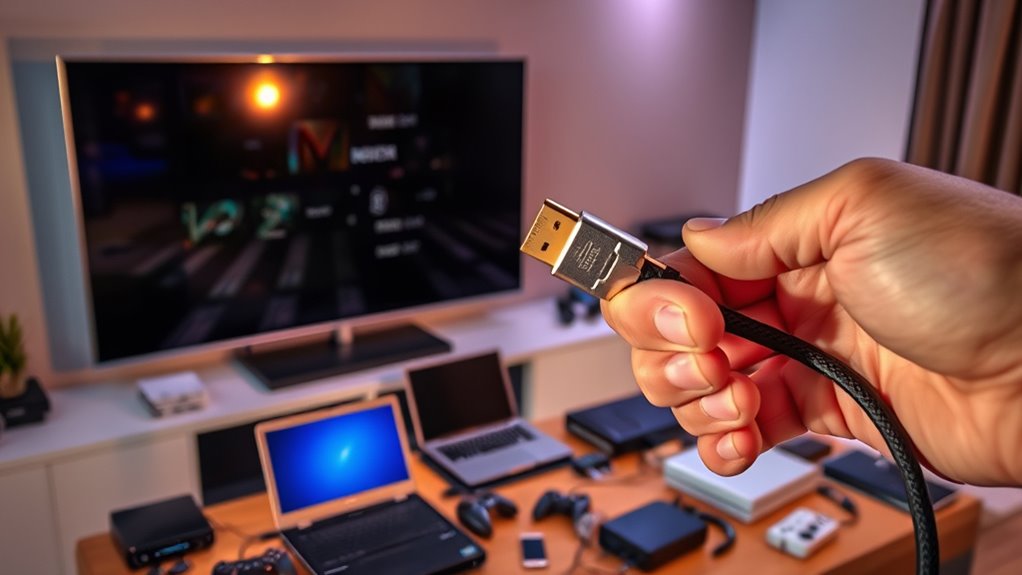
If updating firmware and drivers hasn’t resolved your HDMI dropouts, testing with alternative devices can help identify the source of the problem. Switch your HDMI cable and connect different devices—like a different laptop, gaming console, or Blu-ray player—to your display. If the issue persists with a new device, the problem likely lies with your HDMI port, cable, or display. Conversely, if the dropouts stop, the original device or its settings may be causing the trouble. This process isolates whether the fault resides with your hardware or the connection itself. Be systematic: test each device with the same cable and port, then try different cables and ports. This approach quickly pinpoints where the issue originates, saving you time and effort.
Frequently Asked Questions
Can Environmental Factors Cause HDMI Dropouts?
Yes, environmental factors can cause HDMI dropouts. Interference from wireless devices, such as Wi-Fi routers or cordless phones, can disrupt the signal. Physical obstructions like walls or metal objects may weaken the connection, and extreme temperatures or humidity can affect cable integrity. To minimize issues, keep HDMI cables away from electronic interference, guarantee secure connections, and store equipment in stable environments.
How Do I Identify a Faulty HDMI Port?
You can identify a faulty HDMI port by first inspecting it visually for damage like bent pins or debris. Then, try connecting your cable to a different port on the device; if the issue persists only on one port, that port is likely faulty. You can also test the port with a different HDMI cable and device to confirm whether the issue is with the port itself or the cable.
Are Specific HDMI Versions More Reliable?
You might discover that newer HDMI versions, like 2.1, tend to be more reliable thanks to improved design and bandwidth. However, the real secret lies in compatibility; using outdated cables or mismatched devices can still cause dropouts. So, while newer versions offer benefits, ensuring your hardware and cables match the spec is key. Don’t assume, test your setup carefully—reliability often depends on what’s behind the port.
What Are Common Signs of Damaged HDMI Cables?
You’ll notice damaged HDMI cables when your picture flickers or drops out unexpectedly. You might see a blank screen, or the image may become distorted or pixelated. Sometimes, the cable causes audio issues, like crackling sounds or complete loss of sound. If the cable feels loose or shows visible damage, such as frayed wires or bent connectors, it’s likely compromised. Replacing the cable often resolves these common issues.
How Often Should Firmware Updates Be Performed?
You should perform firmware updates at least once a year to keep your devices running smoothly. Curiously, a survey shows that 60% of users neglect updates, risking compatibility issues. Regular updates fix bugs, improve performance, and add features. Check your device manufacturer’s website or settings menu regularly, and enable automatic updates if available. Staying current ensures your HDMI connections remain stable, reducing dropouts and guaranteeing ideal picture and sound quality.
Conclusion
By following these steps, you’ll uncover the root of your HDMI dropouts and restore seamless connections. Remember, each solution is a stepping stone toward clarity and peace of mind. Don’t let frustrating interruptions drown out your entertainment—your patience is the lighthouse guiding you through the storm. With persistence, you’ll turn the tide, reclaiming the clarity and joy your devices deserve. Keep pushing forward—bright horizons await beyond these technical waves.