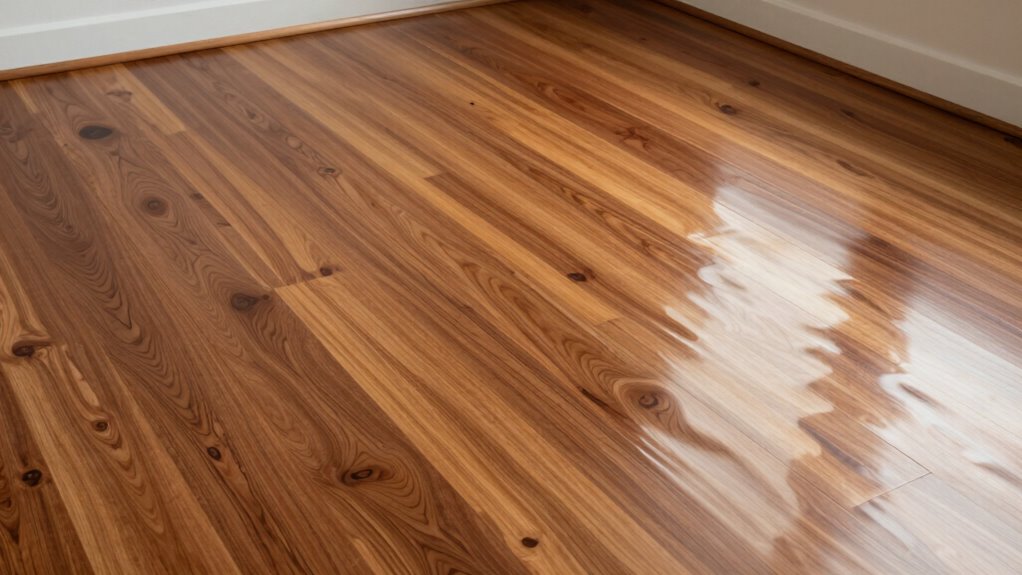

Your choice of flooring greatly impacts how bass sounds and feels in your room. Hard floors like tile or concrete reflect sound waves, making bass feel boomy or muddy. Softer options like carpets absorb vibrations, leading to clearer, more controlled bass. Heavier, dense flooring amplifies bass, while lighter materials reduce it. Understanding how flooring interacts with sound can help you create the perfect acoustic environment. Keep exploring to learn more about shaping your space for ideal bass qualities.

Get audio and creator gear delivered free with Prime
- Fast, free delivery on millions of items
- Prime Video, Amazon Music and more included
- Member-only deals all year
Key Takeaways
- Hard flooring reflects more sound waves, amplifying and creating a boomy, resonant bass experience.
- Soft flooring absorbs sound vibrations, resulting in crisper, more controlled bass response.
- Denser flooring materials tend to reflect and sustain low frequencies, enhancing bass presence.
- Mixing flooring types or adding rugs can fine-tune bass clarity and reduce unwanted muddiness.
- Flooring choice influences how bass interacts with the room, affecting overall sound depth and feel.
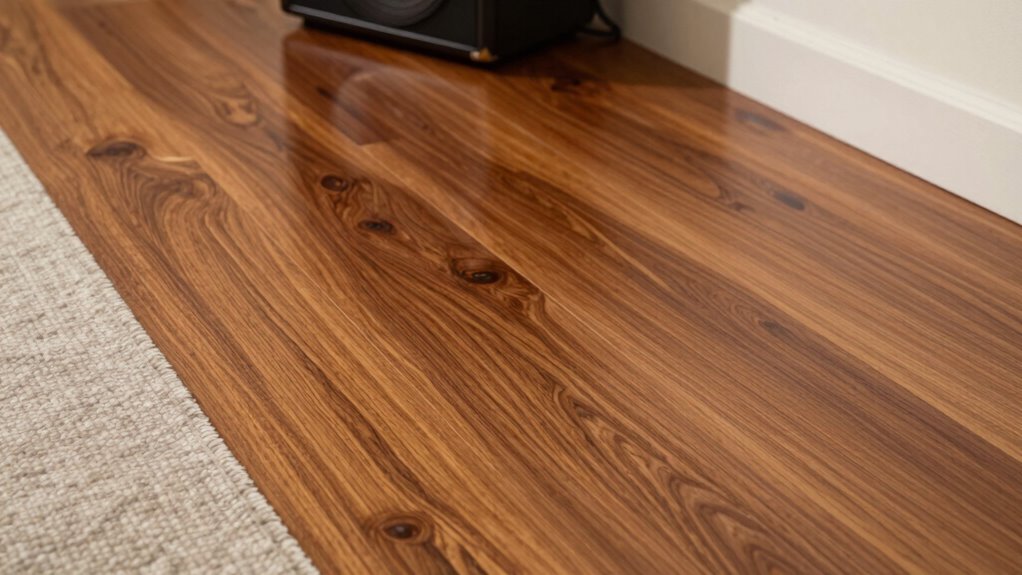
Have you ever noticed how the type of flooring can influence the bass response in a room? It’s more than just aesthetics—you’re actually affecting how sound, especially bass, interacts with the space. The flooring material’s sound absorption qualities and its material density play a pivotal role in shaping your listening experience. When bass sounds bounce off hard surfaces, they tend to create a boomy or muddy effect that can make music or home theater sounds less clear. Conversely, softer, more absorbent flooring absorbs some of that low-frequency energy, resulting in a crisper, more controlled bass response.
Hard flooring reflects bass, creating boomy sound; soft flooring absorbs it for crisper, controlled audio.
The key factor here is sound absorption, which varies widely based on the flooring material. Hard surfaces like tile, concrete, or polished hardwood reflect more sound waves, amplifying bass and causing it to feel more resonant and sometimes overwhelming. On the other hand, carpets, rugs, and cork flooring absorb sound vibrations, reducing the intensity of bass reflections. This absorption helps tame overly boomy bass, creating a more balanced and natural sound. If you’re aiming for tight, precise bass, choosing flooring with high sound absorption qualities can be a game-changer. Additionally, flooring material properties such as texture and composition also influence how sound waves are dispersed or absorbed. A thorough understanding of room acoustics can further help you optimize your space for the best sound experience.
Material density also influences how your flooring impacts bass. Dense materials tend to reflect more sound waves due to their compact structure, which can intensify bass response. For example, a thick concrete slab will reflect and sustain low frequencies more than a lightweight laminate flooring. In contrast, less dense materials or those with sound-absorbing layers will minimize reflections, giving you a clearer, more controlled bass experience. When you select your flooring, consider not only its appearance but also how its material density might affect the acoustics of your space. Heavier, denser materials can add to the room’s natural bass, while lighter, softer options can help dampen it. Understanding the sound absorption qualities of different flooring materials allows you to customize your room’s acoustics more effectively. Additionally, incorporating room acoustic treatments such as wall panels or bass traps can further refine the sound environment, especially if you’re aiming for optimal bass response.
Ultimately, the flooring you choose should align with your desired sound environment. If you love deep, powerful bass, a hard, reflective surface might suit you, but be prepared for some sound muddiness. If you prefer crisp, well-defined bass, opting for softer, more absorbent flooring will serve you better. Keep in mind that combining different materials or adding area rugs can fine-tune the room’s acoustics further. Understanding how sound absorption and material density interact with your flooring helps you craft a space that sounds just right. Whether you’re listening to music, watching movies, or practicing instruments, the right flooring can make a noticeable difference in how bass feels in your room.
As an affiliate, we earn on qualifying purchases.
Frequently Asked Questions
How Does Flooring Material Affect Sound Absorption?
Flooring material considerably impacts sound absorption, affecting how bass sounds in a room. Softer materials like carpets and rugs improve soundproofing strategies by absorbing more sound waves, reducing echo and bass muddiness. Hard surfaces like wood or tile reflect sound, making bass feel more pronounced and less controlled. Incorporate acoustic treatment with varied flooring choices to optimize sound quality, enhancing your listening experience and controlling bass response effectively.
Can Changing Flooring Improve Bass Clarity?
Just like tuning a fine instrument, changing your flooring can sharpen bass clarity. By installing proper flooring and incorporating acoustic treatments, you reduce unwanted sound reflections and bass muddiness. A well-chosen floor material, like carpet or engineered wood, absorbs excess vibrations, making bass sound more precise and controlled. So, with thoughtful floor installation, you can considerably enhance the depth and clarity of your room’s bass, creating a richer audio experience.
What Flooring Choices Minimize Bass Echo?
To minimize bass echo, you should choose flooring with sound-absorbing qualities, like carpets or rugs, and incorporate soundproofing techniques. Adding acoustic paneling on walls and ceilings helps absorb low frequencies, reducing echo. Combining soft flooring with acoustic treatments creates a balanced environment, preventing bass from bouncing around excessively. This approach guarantees clearer sound, tighter bass, and an overall improved listening experience in your room.
Do Area Rugs Influence Bass Perception?
Yes, area rugs influence your bass perception by reducing bass resonance and enhancing acoustic diffusion. They absorb some low-frequency vibrations, preventing them from bouncing excessively and creating echo. This results in a clearer, more balanced bass sound. By adding an area rug, you soften the room’s acoustics, making bass feel more controlled and less boomy, ultimately improving your overall listening experience.
How Does Underlayment Impact Bass Sound Quality?
Underlayment under your flooring profoundly impacts bass sound quality by enhancing acoustic insulation and soundproofing techniques. It cushions sound waves, reducing vibrations and preventing bass from becoming boomy or muffled. With the right underlayment, you’ll notice clearer, crisper bass tones. It dampens unwanted noise and echoes, transforming your space into a sound sanctuary. Proper underlayment lets you experience music and movies with more precise, powerful bass, elevating your auditory adventure.
hard surface flooring for bass control
As an affiliate, we earn on qualifying purchases.
As an affiliate, we earn on qualifying purchases.
Conclusion
So, when you choose your flooring wisely, you’re not just laying down material—you’re tuning the soul of your space. It’s like setting the stage for a symphony, where each surface whispers or roars, shaping how your bass breathes and hits. With every step, you’re dancing on the rhythm of your room’s foundation, feeling its heartbeat resonate deeper. Ultimately, flooring isn’t just a surface—it’s the pulse that makes your bass truly come alive.
As an affiliate, we earn on qualifying purchases.
As an affiliate, we earn on qualifying purchases.
Halloween Picks
halloween
As an affiliate, we earn on qualifying purchases.