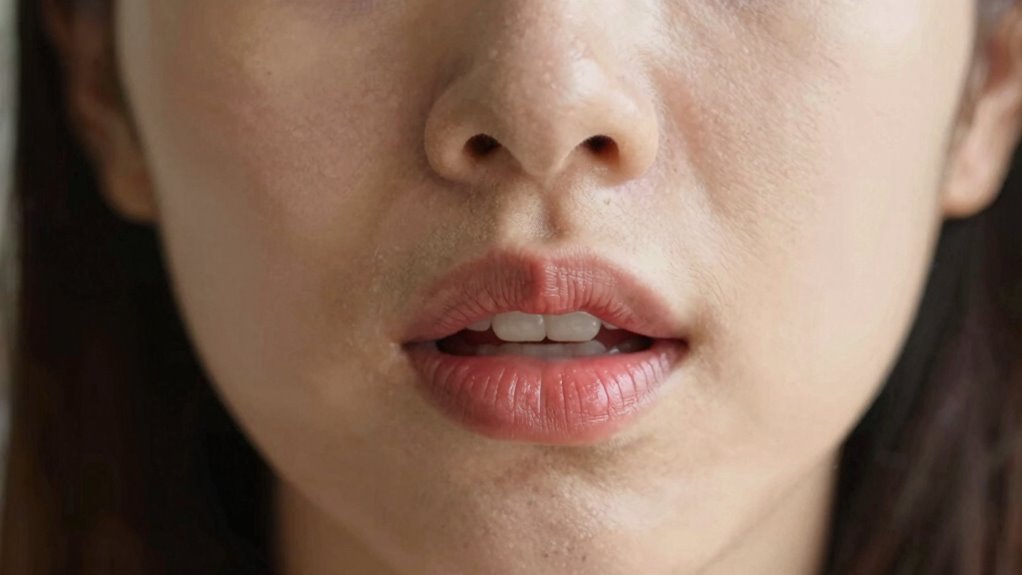

Lip sync delay happens when audio and video don’t match, making voices seem out of sync with mouths. This often results from hardware limitations, processing delays, or incorrect settings. To fix it, you can adjust audio delay settings or update your software and drivers. Ensuring your hardware is compatible and optimized also helps. If you keep issues, there’s more you can do to troubleshoot and improve sync, so keep exploring your options.
Key Takeaways
- Lip sync delay occurs when audio and video streams are processed at different speeds, causing voice and mouth movements to mismatch.
- Hardware limitations, outdated software, or poor signal quality can introduce lag, disrupting synchronization.
- Adjusting the audio delay or buffer settings within your media player or device can realign voices with mouth movements.
- Keeping firmware and drivers updated ensures optimal processing speeds and reduces lip sync issues.
- Proper hardware setup, including matching display refresh rates and using high-quality cables, helps maintain accurate lip sync.

Herdio 6.5 Inch 800W Outdoor Bluetooth Speakers Wired Waterproof with Multifunctional Amplifier, Wall Mount Speaker System for Patio Home Poolside Deck Backyard(2 Pairs,Black)
【Full-Range Speakers】The high powered full range indoor outdoor speakers wired waterproof has a maximum power output of 800...
As an affiliate, we earn on qualifying purchases.
Understanding Lip Sync Delay and Its Impact
Lip sync delay occurs when the audio and video streams are out of sync, causing viewers to see lips move after or before hearing the corresponding sound. This mismatch can distract you and reduce your enjoyment of content. When voices don’t align perfectly with mouth movements, it feels unnatural, making it harder to focus on the scene. The delay can be frustrating, especially during conversations or fast-paced scenes. It affects your immersion and can even impact comprehension, as your brain expects audio and visuals to match seamlessly. Understanding this delay helps you recognize its impact on your viewing experience. Whether you’re watching a movie, streaming a show, or gaming, lip sync issues can diminish the quality of your entertainment, making it essential to identify and fix the problem. Additionally, audio-visual synchronization is crucial for a realistic and comfortable viewing experience, and awareness of streaming technology helps in troubleshooting these issues effectively. Recognizing how digital processing contributes to latency can also guide you toward better solutions. For example, some devices use automatic lip sync adjustment to compensate for delays, improving your overall viewing experience.

STUDIOFINIX 6.5 Inch Outdoor Speakers Wall-Mounted 800W - Waterproof and High-Performance Audio Solution for Indoor/Outdoor,Home,Patio,Garden,Backyard(4 Passive Speakers Bundle/Black)
〖Powerful Performance〗: Boasting a peak power handling of 800 watts, it delivers a full range of dynamic sound...
As an affiliate, we earn on qualifying purchases.
Common Causes Behind Voice and Mouth Mismatch
Several factors can cause the voice and mouth movements to fall out of sync during playback. First, your device’s processing speed might be struggling, causing delays in rendering audio and video. Second, outdated or incompatible software can introduce lag, disrupting the natural flow. Third, improper settings—like mismatched audio and video delay adjustments—can make mouths appear out of sync with voices. These issues can leave you feeling frustrated or distracted, taking away from your viewing experience. Recognizing these common causes helps you identify the real problem. Whether it’s hardware limitations, software glitches, or misconfigured settings, understanding what’s behind the mismatch empowers you to fix it quickly. Addressing these causes restores harmony between voices and mouths, letting you enjoy content seamlessly. Additionally, proper cable connections and high-quality hardware can prevent signal delays that contribute to lip sync issues.

Polk Audio Atrium 4 Weatherproof Outdoor Speakers with Powerful Bass (Pair, Black), All-Weather Durability, Broad Sound Coverage, Speed-Lock Mounting System
EASY INSTALLATION - One-click speed-lock mounting bracket offers anti-slip, one-handed installation. Mount these outdoor speakers wired vertically or...
As an affiliate, we earn on qualifying purchases.
How Processing Speed Affects Sync Issues
Your device’s processing speed directly impacts lip sync accuracy, as lag can cause noticeable delays between audio and video. Hardware performance plays an essential role—slower processors or insufficient RAM can increase delay issues. Optimizing settings and ensuring your hardware is up to date can greatly reduce processing lag and improve sync. Additionally, understanding how your dog’s names might influence audio-visual cues in videos could offer insights into personalized troubleshooting. Being aware of vetted technologies and tools designed for synchronization can further assist in resolving these issues effectively.
Processing Lag Impact
Processing speed plays a crucial role in maintaining sync between audio and video during lip sync. When your device processes data slowly, delays happen, causing voices to lag behind or lead the mouths they match. This lag can make your viewing experience frustrating and disconnect you from the content.
Here’s how processing lag impacts you:
- It intensifies frustration when voices don’t match mouths, disrupting immersion.
- It causes noticeable delays that draw attention away from the story.
- It leads to a sense of disjointedness, making the content harder to enjoy.
Understanding this impact helps you recognize that faster processing speeds can greatly reduce lip sync issues, bringing audio and video back into harmony for a seamless viewing experience.
Hardware Performance Role
Ever wondered how your device’s hardware influences lip sync accuracy? Faster processors handle audio and video streams more efficiently, reducing delays that cause mismatched mouths and voices. When your hardware struggles, it can delay video rendering or audio decoding, leading to noticeable sync issues. Upgrading your device’s performance can considerably improve synchronization. Here’s a quick overview:
| Hardware Component | Effect on Sync | Recommended Action |
|---|---|---|
| CPU | Faster processing reduces delay | Upgrade or overclock CPU |
| GPU | Handles video rendering | Use a powerful graphics card |
| RAM | Prevents lag during multitasking | Increase RAM capacity |
| Storage (SSD vs HDD) | Quicker data access | Switch to SSD |
| Audio Interface | Better audio processing | Use high-quality interface |
Improving your hardware can also help prevent issues caused by system bottlenecks that limit overall performance. Better hardware ensures smoother playback, minimizing lip sync issues.
Settings Optimization Tips
When your device’s settings aren’t optimized, even a powerful system can experience lip sync issues. Poor configuration can cause delays that frustrate your viewing experience. To fix this, consider these tips:
- Adjust buffer size – Smaller buffers reduce delay but may cause stuttering; find the right balance.
- Update your firmware and software – Running outdated versions can hinder performance and worsen sync problems.
- Disable unnecessary background processes – Free up processing power to make certain of smooth playback and synchronization.
- Optimize your device’s processing speed to ensure it handles media streams efficiently, reducing lag and improving lip sync accuracy.

6.5 Inch Max 800W Outdoor Bluetooth Speakers Waterproof Wired with Multifunctional Amplifier Wall Mount Outdoor Speaker System for Patio Garden Poolside Home(4 Speakers,Black)
Powerful Acoustics: Unmatched Sound Output,Each speaker pumps out an impressive 200 watts, with a pair delivering a combined...
As an affiliate, we earn on qualifying purchases.
Troubleshooting Audio and Video Settings
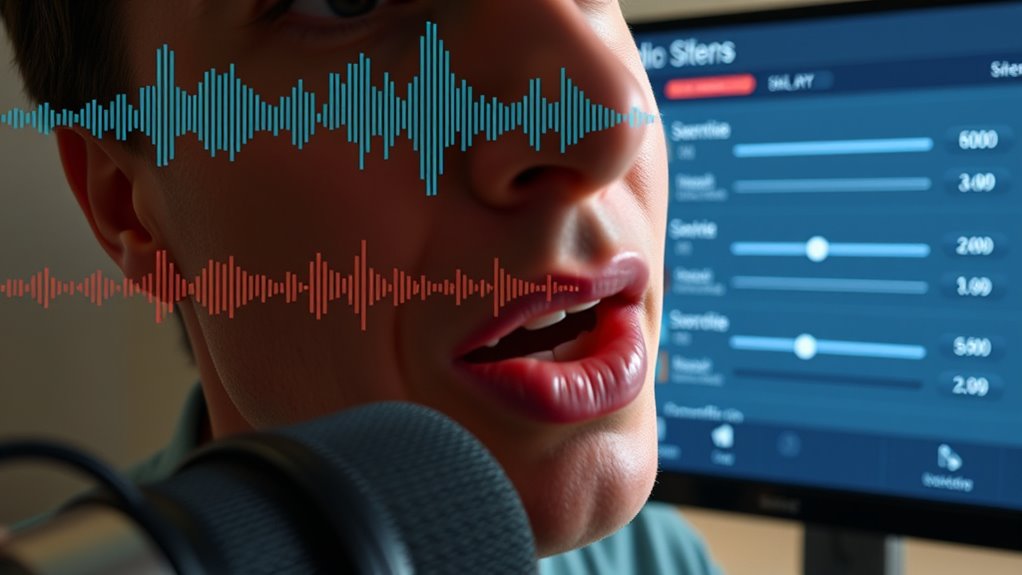
Start by checking your device’s sync settings and adjusting them if needed to guarantee timing. Next, verify that all your devices are compatible and communicate properly, as mismatched hardware can cause delays. Making these adjustments helps ensure your audio and video stay in sync during playback. Additionally, consider local automation options that can help coordinate device timing more precisely.
Sync Settings Adjustment
Adjusting your sync settings is a critical step in troubleshooting lip sync issues, as it helps realign audio and video to play in perfect harmony. When you fine-tune these settings, you regain control over your viewing experience and eliminate frustration. Here’s how to make it count:
- Identify the delay — notice if voices are behind or ahead of mouth movements.
- Adjust the sync slider — move it left or right until the lips match the spoken words perfectly.
- Test with different content — confirm the sync feels right across various videos to ensure consistency.
- Consider the impact of audio and video performance — understanding how upgrades or settings influence overall synchronization can help you fine-tune more effectively. Additionally, device capabilities can affect how well sync adjustments work, so knowing your hardware limits is beneficial. Being aware of streaming quality can also help identify if the issue originates from your internet connection or content source. It’s also helpful to recognize how software updates may introduce or resolve sync issues, ensuring your device runs the latest firmware for optimal performance. Moreover, considering hardware aging can help you determine if older components are contributing to sync problems, which is common in vintage or older devices.
Taking these steps can be a game-changer, restoring natural synchronization and immersing you back into your favorite shows without distraction. Your perfect viewing experience is just a few adjustments away.
Device Compatibility Checks
Ensuring your devices are compatible with your audio and video settings is essential for resolving lip sync issues. If your equipment isn’t fully compatible, it can cause delays or mismatched audio and visuals. Start by checking your device specifications against the recommended settings for your streaming platform or media player. Make sure your graphics card, sound card, and drivers are up to date, as outdated hardware or software can create synchronization problems. Confirm that your TV or monitor supports the resolution and refresh rate you’re using. Also, verify that your audio output device is compatible with your video source. Incompatibilities between devices often lead to delays, so matching hardware capabilities and updating firmware can considerably improve sync accuracy. Additionally, reviewing hardware compatibility ensures all components work seamlessly together, minimizing lip sync issues. Being aware of device specifications can help you identify potential bottlenecks that contribute to audio delay. Checking audio settings and adjusting buffer sizes or synchronization options can further fine-tune the audio and video alignment for optimal performance. Moreover, understanding the audio and video processing capabilities of your devices can help prevent latency issues that cause lip sync problems.
Adjusting Software and Hardware for Perfect Sync
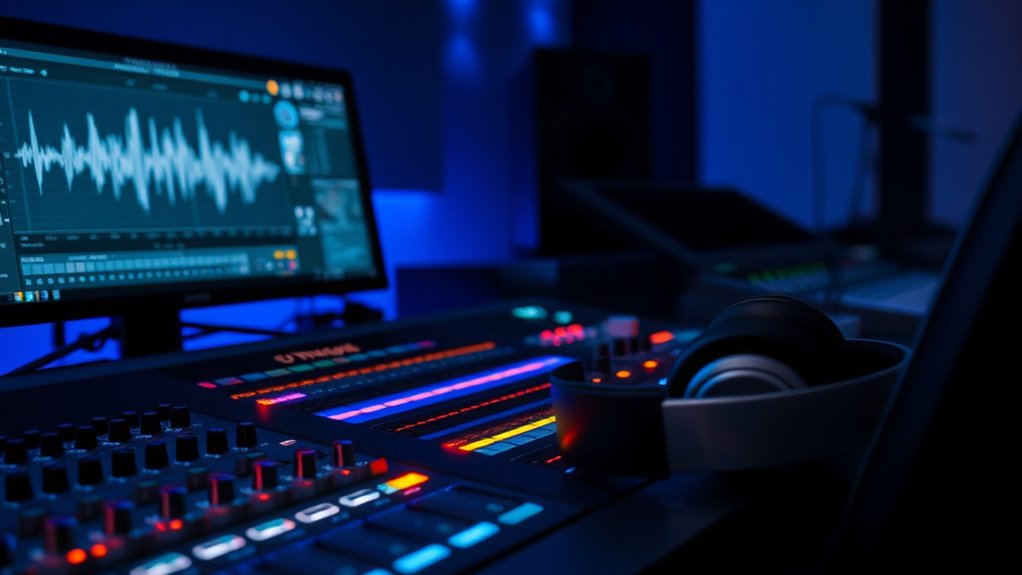
To achieve perfect lip sync, you need to fine-tune both your software settings and hardware setup. Start by checking your audio delay options—adjust these until the voice matches the mouth movements precisely. Next, ensure your video output is set to match your display’s refresh rate, reducing lag. Finally, verify that your hardware connections are direct and secure; loose cables or outdated drivers can introduce delays.
Here’s what to focus on:
- Sync Audio and Video Delays: Use software tools to manually align audio with video timing.
- Update Firmware and Drivers: Keep everything current for peak performance.
- Optimize Hardware Placement: Place speakers and display close together to minimize lag.
Tips to Prevent Future Lip Sync Problems
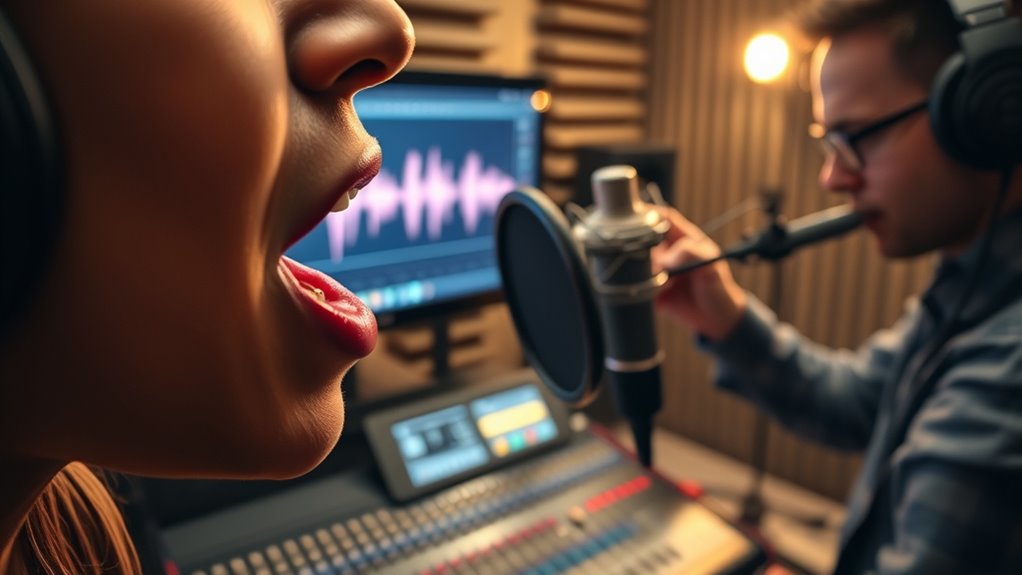
Properly setting up your equipment now can save you from lip sync issues down the line. Start by placing your microphone and speakers correctly, avoiding echo and feedback. Use high-quality cables and ensure all connections are secure. Keep your software and drivers updated to prevent compatibility problems. Adjust audio settings to match your video’s frame rate and resolution, which helps synchronize sound and images. Reduce background noise and avoid multitasking on your device while recording or streaming. Regularly test your setup before important sessions to identify potential issues early. Using headphones instead of speakers during recording minimizes audio lag. By maintaining a clean, organized setup and performing routine checks, you minimize the chances of experiencing lip sync problems in the future. Additionally, understanding your audio equipment’s specifications can help you optimize settings for better synchronization, including latency settings to reduce audio delay. Being aware of audio latency can further assist in fine-tuning your system for optimal lip sync accuracy. Ensuring your hardware components are compatible and functioning properly can also significantly improve overall audio-visual synchronization.
Frequently Asked Questions
Can Lip Sync Delay Affect Only Certain Apps or All Video Content?
Lip sync delay can affect only specific apps or all video content, depending on your device settings. If you notice the issue only in certain apps, it’s likely a problem with that app’s audio or video synchronization. However, if the delay persists across multiple platforms, check your device’s general audio and video settings or consider updating your software. Adjusting these settings can usually fix sync issues universally or app-by-app.
Does Hardware Upgrade Always Resolve Lip Sync Issues?
Did you know that 65% of viewers notice lip sync issues? Hardware upgrades don’t always fix these problems, but they can help if your device is outdated or struggling with processing. Sometimes, software settings or app-specific fixes are more effective. So, before investing in new hardware, try adjusting audio delay settings or updating your apps—these often resolve sync issues more quickly and affordably.
Are Wireless Connections More Prone to Lip Sync Delays?
Yes, wireless connections are more prone to lip sync delays because they often introduce slight transmission lag. When you stream content over Wi-Fi or Bluetooth, data can take longer to reach your device, causing audio to lag behind or ahead of the video. To reduce this, make sure your device has a strong, stable connection, or switch to a wired connection for more synchronized audio and video playback.
Can Specific Audio Formats Cause Lip Sync Discrepancies?
Like a misaligned puzzle piece, specific audio formats can cause lip sync discrepancies. Compressed formats like AAC or MP3 sometimes introduce delays because they process audio differently than uncompressed ones like PCM. If your device struggles to sync audio and video, switching to a different format or adjusting audio delay settings can help. Always verify your playback device supports the formats you prefer for smoother, synchronized viewing.
How Do Different Operating Systems Handle Lip Sync Correction?
Different operating systems handle lip sync correction using built-in audio-video synchronization settings. Windows, macOS, and Linux each have their own methods, often relying on system-level adjustments or media player settings. You can typically tweak these to reduce delays. For example, on Windows, you might adjust audio delay in the sound settings or media player preferences. Keep in mind, updating drivers or codecs can also improve sync accuracy across platforms.
Conclusion
Now that you know what causes lip sync delays, you’re equipped to fix them and restore harmony between voice and mouth. Think of your device as a dance partner—when both move in sync, the performance is flawless. Don’t let technical glitches steal the show; instead, tweak your settings and stay proactive. With a little attention, you’ll keep your videos perfectly in sync, turning technical chaos into a smooth, seamless experience—because nobody wants a missed beat.