
TL;DR

Get audio and creator gear delivered free with Prime
- Fast, free delivery on millions of items
- Prime Video, Amazon Music and more included
- Member-only deals all year
Wireless microphone systems now offer creators reliable, high-quality audio with advanced tech like digital signals and noise reduction. Choosing the right system depends on your environment, budget, and device compatibility; recent innovations make professional audio accessible for everyone.
Imagine filming outdoors, walking freely, and capturing crystal-clear sound. No wires tangling, no limitations. Wireless microphone systems have revolutionized how creators record content—giving you freedom, flexibility, and studio-quality audio anywhere.
Whether you’re vlogging, podcasting, or streaming live, choosing the right wireless mic can make or break your project. This guide breaks down what you need to know—latest tech, features to consider, and real-world tips—to help you pick the perfect set-up for your creative journey.
Prioritize systems with high signal-to-noise ratio and low latency for professional-quality audio.
Consider your environment—outdoor, indoor, interference levels—before choosing a system.
Digital wireless systems with AI noise reduction offer clearer sound and fewer dropouts.
Battery life varies from 4 to 10 hours; plan accordingly for long shoots.
Test your setup in your environment to prevent interference and audio dropouts during critical recordings.
What Makes a Wireless Microphone System Good for Creators?
Great wireless systems deliver clear, consistent sound without hiss or dropouts. For creators, this means reliable performance during live streams, outdoor shoots, or studio recordings. Look for systems with a high signal-to-noise ratio, minimal latency, and easy setup.
For example, a YouTuber filming in a busy park needs a system that handles interference and offers at least 100 meters of range. That way, they can move around freely without losing audio quality.
Key features include:
- High audio fidelity — crisp and natural sound, which is crucial because poor quality can distract viewers and diminish your content’s professionalism.
- Stable connection — fewer dropouts ensure your audio remains consistent, preventing interruptions that can ruin a take or break immersion.
- Long battery life — 6 to 10 hours allows for all-day shoots, reducing the need for frequent recharging and minimizing workflow disruptions.
- Ease of use — quick pairing and simple controls save time during setup, especially in fast-paced shooting environments.
Understanding these features helps you choose a system that aligns with your specific needs, whether you’re capturing spontaneous outdoor moments or professional studio recordings. The right balance of fidelity, stability, and convenience ensures your audio complements your visual storytelling seamlessly.
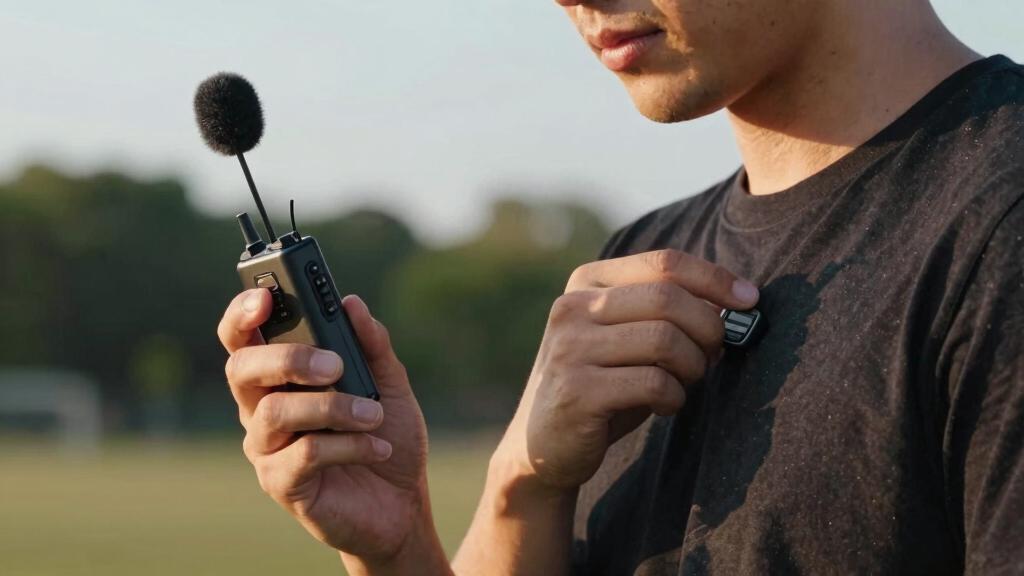
wireless microphone system for content creators
As an affiliate, we earn on qualifying purchases.
As an affiliate, we earn on qualifying purchases.
How to Pick the Right Wireless Microphone System in 3 Steps
- Assess your environment: Indoors or outdoors? Crowded with Wi-Fi or clear? Understanding your shooting environment helps determine the necessary range, interference mitigation, and durability of the system. For example, outdoor settings with many wireless signals require systems with auto-frequency scanning and interference resistance to prevent audio dropouts.
- Set your budget: Budget-friendly options under $150 can be suitable for beginners or casual creators, offering decent quality but possibly limited range or features. High-end systems over $500 typically include advanced features like multi-channel recording, longer range, and superior noise reduction, which are essential for professional productions. Weighing cost against your production needs ensures you don’t overspend on unnecessary features or compromise quality.
- Match device compatibility: Will it connect to your camera, smartphone, or computer? Check input/output options, such as 3.5mm jacks, XLR, or USB, and ensure the system supports your workflow. Compatibility issues can cause delays or require additional adapters, so understanding your devices’ requirements ensures seamless integration and efficient setup.
For example, if you’re streaming outdoors, prioritize systems with interference mitigation and longer battery life because environmental factors can cause signal instability. Conversely, in a controlled studio environment, focus on sound quality and multi-channel capabilities to capture multiple speakers or instruments simultaneously. Thoughtful consideration of your environment and needs helps you avoid costly mistakes and ensures your audio setup enhances your content effectively.
digital wireless microphone with noise reduction
As an affiliate, we earn on qualifying purchases.
As an affiliate, we earn on qualifying purchases.
Compare Top Wireless Microphone Systems for Creators
| Model | Price Range | Range | Battery Life | Best For |
|---|---|---|---|---|
| Rode Wireless GO II | $300 | Up to 200m | 7 hours | Vloggers, live streaming |
| Sennheiser XSW-D PORTABLE LAVALIER SET | $500 | 100m | 6 hours | Professional interviews |
| Shure MV88+ | $250 | 20m | 8 hours | Smartphone creators |
This table shows how different systems match various needs—from budget-friendly options to professional-grade gear. While lower-cost models like the Shure MV88+ are compact and easy to use, they might sacrifice range or advanced features. Conversely, higher-end systems like the Sennheiser XSW-D provide longer range and better interference handling but come at a higher price. Selecting the right system depends on your specific shooting environment, the complexity of your setup, and your audio quality expectations. Weighing these factors ensures you get a reliable, effective solution tailored to your content creation style.
outdoor wireless microphone for vlogging
As an affiliate, we earn on qualifying purchases.
As an affiliate, we earn on qualifying purchases.
Latest Tech Features That Make Your Life Easier
New wireless mic systems pack features that used to be reserved for high-end gear, fundamentally changing what’s possible for creators. Digital transmission not only reduces interference but also provides a more secure connection, which is crucial when recording sensitive or professional content. AI noise reduction algorithms analyze background sounds in real-time, suppressing unwanted noise while preserving voice clarity, which is especially beneficial in outdoor or noisy environments. These features collectively minimize post-production editing and ensure your audio sounds polished straight out of the recorder.
Auto-frequency scanning allows systems to automatically detect and switch to the clearest available channel, saving you time and reducing frustration during setup. Multi-channel capabilities enable recording multiple speakers or sources simultaneously without interference, which is vital for interviews, panel discussions, or multi-person vlogs. Some systems even incorporate encryption and advanced codecs to protect your audio streams from eavesdropping or interference, adding an extra layer of security for professional use. These innovations dramatically streamline your workflow, reduce setup time, and enhance overall audio quality, empowering creators to focus more on their content rather than technical hurdles.
professional wireless microphone for streaming
As an affiliate, we earn on qualifying purchases.
As an affiliate, we earn on qualifying purchases.
Questions Creators Ask About Wireless Mic Systems
Q: What’s the easiest system for beginners?
A: The Rode Wireless GO II is perfect for newcomers—simple, affordable, and reliable, with solid audio quality. Its straightforward setup minimizes troubleshooting, making it ideal for creators just starting out or those who need quick, dependable results without technical complexity.
Q: Will it work outdoors in windy conditions?
A: Yes, but to significantly reduce wind noise, use a windscreen or deadcat. These accessories act as physical barriers, dispersing wind force and preventing it from hitting the microphone capsule directly. This simple addition can make a substantial difference in audio clarity during outdoor shoots, especially in blustery conditions, ensuring your voice remains intelligible and clean.
Q: How do I avoid interference?
A: Choose systems with auto-channel scanning and operate within recommended frequency ranges. Before recording, perform a quick test to identify the clearest channel, and switch channels if needed. Keeping your system away from other wireless devices and sources of electromagnetic interference also helps maintain a stable connection, preventing dropouts and audio glitches during critical moments.
Q: How long do batteries last?
A: Battery life varies by model, typically from 4 to 10 hours. Carry spare batteries or a portable charger to extend your recording time, especially for long shoots or outdoor adventures. Planning ahead ensures you won’t be caught off guard by power loss, maintaining consistent audio quality throughout your session.
Q: Are wireless mics safe and legal?
A: Yes, as long as they operate within your local regulations and within licensed frequency bands. It’s important to use compliant equipment to avoid interference with other devices and adhere to legal standards, ensuring your recordings are both safe and legitimate.
Conclusion
Wireless microphone systems have become the backbone of mobile, flexible content creation. With recent tech leaps, even budget options deliver professional sound, freeing you to focus on your content—no wires, no fuss.
Remember: matching your environment and needs with the right features makes all the difference. Choose wisely, and your sound will be as compelling as your visuals—every time.
Halloween Picks
halloween
As an affiliate, we earn on qualifying purchases.