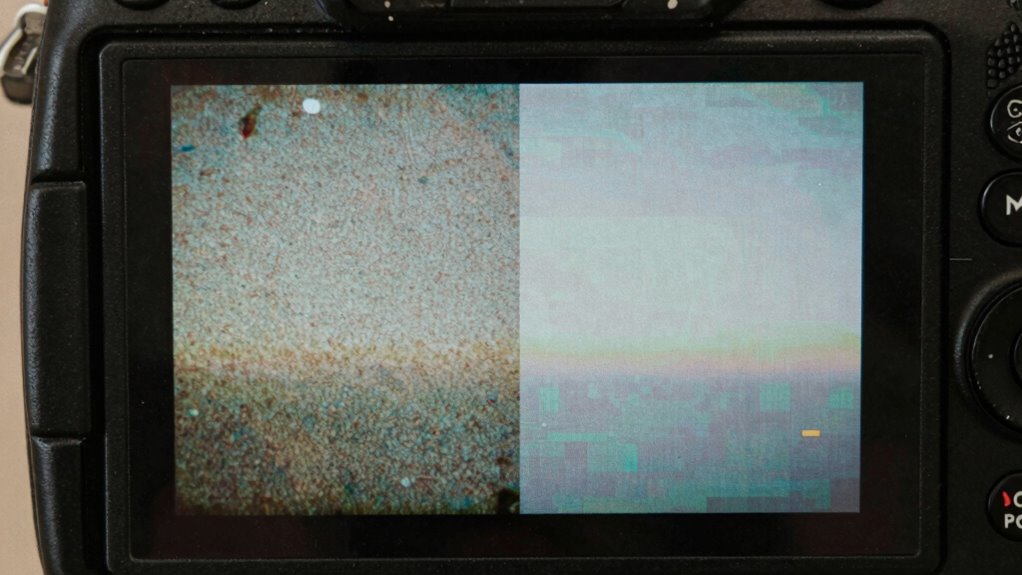

Sometimes, streaming shows look grainy because of film grain, which is intentionally added for a textured, vintage feel, or because of compression artifacts caused by data reduction during streaming. Film grain adds a natural, artistic texture, while compression artifacts often look like blocky pixels or noise, especially in fast scenes or bright colors. Knowing the difference helps you understand whether the grain is artistic or a technical issue—keep exploring to learn more.
Key Takeaways
- Film grain is an artistic texture added intentionally for authenticity, while compression noise is a technical artifact from video encoding.
- High compression at low bitrates can produce blocky, noisy artifacts that resemble film grain but degrade image quality.
- Color grading and aspect ratio influence the visibility and prominence of film grain and compression artifacts.
- Certain scenes with bright lighting or detailed textures are more prone to revealing compression noise.
- Recognizing whether grain is intentional or compression-related helps assess the true visual quality of streaming shows.

When it comes to digital video and image quality, understanding the difference between film grain and compression is essential. These two elements can markedly impact how a streaming show appears on your screen, often influencing whether it looks sharp, smooth, or grainy. One key factor that intertwines with this discussion is color grading, which alters the look and mood of a scene, and aspect ratio, which defines the frame’s dimensions. Both of these choices can enhance or reveal the presence of film grain or compression artifacts, shaping your viewing experience.
Film grain is a natural texture that originates from the physical properties of traditional film. When a show is shot on film or digitally emulating that style, the grain adds a layer of visual richness and authenticity. During color grading, filmmakers can emphasize or reduce this grain, giving scenes a gritty, vintage, or polished look. If you notice a film-like texture, it’s often intentional, meant to evoke a particular mood or aesthetic. Additionally, the aspect ratio plays a role here; a wider aspect ratio can give more space for subtle details, including grain, to be appreciated or minimized, depending on the director’s intent. When a show is intentionally grainy, the grain can add depth, but if the scene is heavily compressed, that same grain might become more prominent or jarring, making the image appear less clean. Furthermore, the quality of the streaming service can influence how well these elements are preserved or affected during playback.
Film grain adds authenticity; its prominence depends on color grading and aspect ratio choices.
On the other hand, compression aims to reduce file size for streaming efficiency, but it can inadvertently introduce artifacts that look like grain. When a video is compressed too much, especially at lower bitrates, the image data gets simplified. This process can cause blocky pixels, blurring, or a noisy texture that resembles film grain but isn’t part of the original scene. These compression artifacts are more noticeable in scenes with lots of movement or detailed textures. Color grading can sometimes mask or accentuate these issues; for example, a darker scene with deep shadows might hide compression noise better, but a brightly lit, richly colored scene could make artifacts stand out more. The aspect ratio can also influence this perception—wider formats may reveal more compression flaws along the edges or in detailed backgrounds.
In essence, whether a show looks grainy due to intentional film grain or unwanted compression artifacts depends on multiple factors. Your viewing experience is shaped by the filmmaker’s choices in color grading and aspect ratio, as well as the technical quality of the streaming process. Recognizing these elements helps you understand why some shows appear more textured or noisy than others, and why sometimes a grainy look is a deliberate stylistic choice rather than a flaw. Being aware of digital compression can help you identify when noise results from technical limitations rather than artistic intent.

NVIDIA Shield Android TV Pro | 4K HDR Streaming Media Player High Performance, Dolby Vision, 3GB RAM, 2X USB, Works with Alexa, Model:945-12897-2500-101
The Best of the Best. SHIELD TV delivers an amazing Android TV streaming media player experience, thanks to…
As an affiliate, we earn on qualifying purchases.
As an affiliate, we earn on qualifying purchases.
Frequently Asked Questions
How Does Lighting Affect Perceived Film Grain?
Lighting markedly affects how you perceive film grain. In dynamic lighting, the contrast highlights grain details, making them more noticeable. In low light conditions, grain becomes more apparent because the camera struggles to capture clear images, amplifying the perceived grain. So, when your scene has uneven or dim lighting, you’re more likely to notice grain, which can either add a gritty feel or distract from the visuals.
Can Adjusting Streaming Quality Reduce Graininess?
Adjusting streaming quality can substantially reduce graininess, as higher streaming bitrates decrease video noise and improve clarity. Studies show that increasing bitrate by just 20% can cut visible grain by nearly 50%. When you raise your streaming quality, you deliver more data per second, resulting in less compression and smoother images. This helps minimize the appearance of grain, making your viewing experience sharper and more vibrant.
Are Some Genres More Prone to Grainy Visuals?
Certain genres, like horror, noir, or indie films, are more prone to grainy aesthetics because filmmakers often intentionally include grain to create atmosphere or authenticity. Your viewing experience can be influenced by genre, as some productions embrace grain to evoke a specific mood, while others aim for crisp visuals. Genre influence plays a key role in whether a show’s visuals appear intentionally grainy or result from compression artifacts.
Does Older Footage Inherently Have More Grain?
Yes, older footage inherently has more grain because it was shot on film stock that naturally developed a grainy texture over time. As aging footage, the film stock’s properties can become more pronounced, making the image appear more textured and less sharp. This natural grain adds a vintage feel but can also make the footage seem less clear, especially when streamed on modern screens.
How Do Different Devices Display Grain Versus Compression?
You notice that different devices display grain and compression differently because of device calibration and screen resolution. When your device’s calibration isn’t accurate, grain might appear more pronounced, and compression artifacts can become more visible. Higher screen resolutions tend to show less grain and compression issues, making the image clearer. Conversely, lower resolutions may exaggerate grain and compression, affecting your viewing experience. Adjusting calibration and choosing the right resolution helps improve picture quality.
![Roxio Creator NXT Pro 9 | Multimedia Suite + Photo Editor and CD/DVD Disc Burning Software [PC Download]](https://m.media-amazon.com/images/I/51ZWiA7A2nL._SL500_.jpg)
Roxio Creator NXT Pro 9 | Multimedia Suite + Photo Editor and CD/DVD Disc Burning Software [PC Download]
Complete multimedia suite with 25+ applications to capture, edit, and convert video, photo, and audio files, burn, copy, and encrypt your data, author…
As an affiliate, we earn on qualifying purchases.
As an affiliate, we earn on qualifying purchases.
Conclusion
Understanding film grain and compression helps you appreciate the visuals you watch. Recognize when grain adds texture and authenticity, and when compression causes blockiness and softness. By distinguishing the two, you can enjoy your favorite shows with a sharper eye. Notice the details, appreciate the artistry, and make informed choices. Whether it’s the charm of grain or the flaws of compression, your viewing experience becomes richer, clearer, and more intentional.
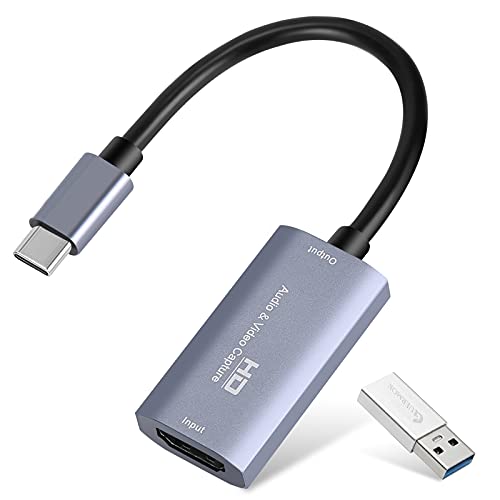
Guermok Video Capture Card, 4K USB3.0 HDMI to USB C Capture Card for Streaming, 1080P 60FPS, Compatible with iPad Mac OS Windows, Quest 3, OBS, PS5/4, Switch2/1, Xbox, Camera (Silver)
【1080P 60FPS Video Capture Card】 This HDMI game capture card is based on USB3.0 high speed transmission port,…
As an affiliate, we earn on qualifying purchases.
As an affiliate, we earn on qualifying purchases.

ADAS Calibration Dynamic ACC Positioning Tool for Eyeball Unit, Angso-auto Angle Leveling Tool Accessory for Auto
The ANGSO-AUTO leveling tool is designed to be powered by 2* AAA 1.5 V batteries (Please note that…
As an affiliate, we earn on qualifying purchases.
As an affiliate, we earn on qualifying purchases.