ALR screens are designed to improve image quality in bright environments by reflecting projector light toward your eyes while blocking ambient light. They work best in well-lit rooms where traditional screens struggle, boosting contrast and color. However, they can be pricey, sensitive to viewing angles, and less effective if your lighting isn’t consistent. If you want to see exactly when these screens help or waste money, you’ll find helpful details ahead.
Key Takeaways
- ALR screens excel in bright environments by reflecting projector light and rejecting ambient light, enhancing contrast and color.
- They are most effective when ambient light levels are high, such as rooms with sunlight or strong lamps.
- In dark or controlled lighting rooms, ALR screens offer little to no benefit over traditional projection surfaces.
- ALR screens are more expensive and require precise setup, which may not justify their cost in low-light conditions.
- For home theater or gaming in dark rooms, standard screens are usually more cost-effective and perform just as well.

AAJK ALR Projector Screen, 4K Movie Projector Screen 16:9 HD Foldable Anti-Crease Portable Projector, Movies Screen for Home Theater Outdoor Indoor Support (120in Pro)
【Watch What You Want, When You Want!】 Remember when you could only really use your projector at night?…
As an affiliate, we earn on qualifying purchases.
As an affiliate, we earn on qualifying purchases.
What Are ALR Screens and How Do They Work?
ALR screens, also known as Ambient Light Rejection screens, are specially designed projection screens that enhance picture quality in bright environments. They work by reflecting light from the projector while absorbing or redirecting ambient light that hits the screen from other sources. This technology relies on a unique surface coating with microstructures that control how light is reflected, allowing the image to stay vivid even in well-lit rooms. Instead of washing out, the picture remains sharp, with better contrast and color accuracy. ALR screens are typically made with multi-layer materials that help filter out ambient light, making them ideal for spaces where controlling light is difficult. Their design ensures you see brighter, clearer images without needing to darken the room. Additionally, advancements in nanotechnology have led to the development of more effective coatings that improve light management and durability of these screens. These improvements contribute to enhanced image quality even in challenging lighting conditions.
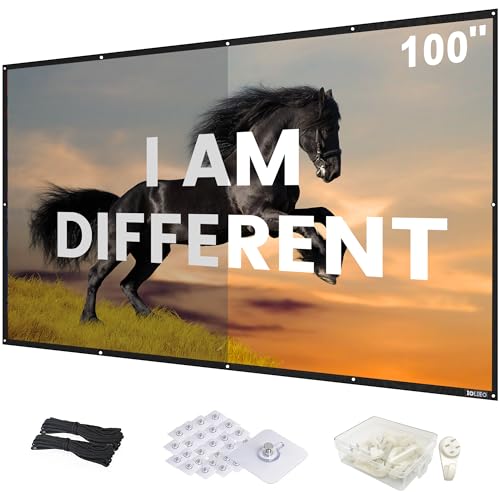
ALR Projector Screen for Standard Throw- Wall Mounted – High Contrast 70% ALR High Brightness 2.7X Gain – 100 inch 16:9 White Screen – by IOLIEO
★【Ambient Light Rejection】 The screen effectively suppresses ambient light (70%), significantly improving image contrast. This makes it suitable…
As an affiliate, we earn on qualifying purchases.
As an affiliate, we earn on qualifying purchases.
When Do ALR Screens Improve Image Quality?
ALR screens enhance image quality most effectively in bright or well-lit environments where ambient light tends to wash out standard projections. They excel at reflecting projected light directly toward you, minimizing the impact of room lighting. You’ll notice clearer images and richer contrast when sunlight or lamps are present. However, their benefits diminish in dark rooms with controlled lighting. To visualize this, consider the following:
| Environment | Effectiveness |
|---|---|
| Bright, well-lit rooms | Significantly improved image quality |
| Moderate ambient light | Noticeable enhancement |
| Dark rooms | Limited or no benefit |
| Rooms with controlled lighting | Minimal impact |
In well-lit spaces, ALR screens make your viewing sharper and more vibrant, ensuring your content pops despite ambient light. Understanding ambient light levels helps determine when an ALR screen will provide the best results. Additionally, ambient light management can further optimize your setup for the best viewing experience. Proper room lighting control can significantly enhance overall image quality and viewing comfort. Recognizing the performance limitations of ALR screens in different environments is essential for maximizing their benefits and avoiding unnecessary expenses. Moreover, understanding the cost-effectiveness of ALR screens in relation to their environment can help you make a smarter investment.

120 inch Projector Screen Upgraded- Black Backing, Straight Edges, Foldable, Washable and Wrinkle-Free – for Indoor Home Theater and Outdoor Cinema -White 16:9 by IOLIEO
★【Better Contrast and Color】 Light bleed is eliminated by the black backing layer, significantly improving image quality.
As an affiliate, we earn on qualifying purchases.
As an affiliate, we earn on qualifying purchases.
Limitations and Downsides of ALR Technology
While ALR screens excel in bright environments, they also have notable limitations that can affect your viewing experience. One major downside is their sensitivity to viewing angles. If you’re off to the side, you might notice color shifts or reduced contrast, which can diminish image quality. Additionally, ALR screens often have a more limited lifespan compared to traditional surfaces, and their coatings can degrade or become less effective over time. They can also be more expensive initially, meaning you might spend more upfront without guaranteed long-term benefits. Moreover, achieving optimal performance requires precise setup and calibration, which can be complex and time-consuming. If your environment isn’t ideal—such as inconsistent lighting or frequent shadows—these screens might not deliver the improvements you expect, making them less versatile than traditional options. A thorough understanding of attention to detail is essential to properly evaluate and optimize ALR display setups.
120 inch Projector Screen Upgraded- Black Backing, Straight Edges, Foldable, Washable and Wrinkle-Free – for Indoor Home Theater and Outdoor Cinema -White 16:9 by IOLIEO
★【Better Contrast and Color】 Light bleed is eliminated by the black backing layer, significantly improving image quality.
As an affiliate, we earn on qualifying purchases.
As an affiliate, we earn on qualifying purchases.
Comparing ALR Screens to Traditional Projector Surfaces
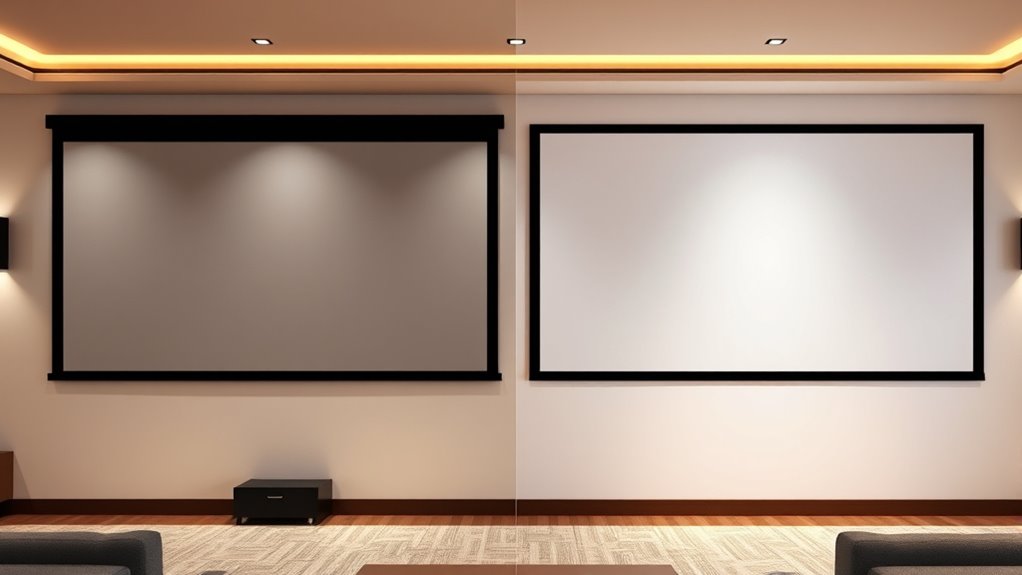
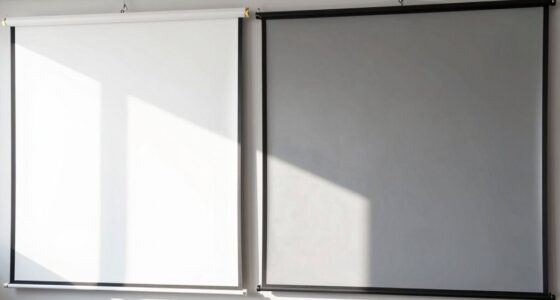
When comparing ALR screens to traditional projector surfaces, it’s clear that each option has distinct advantages and drawbacks. ALR screens excel in high ambient light environments, reflecting light from specific angles to boost contrast and brightness. This makes them ideal for rooms with unavoidable light sources or windows. Traditional surfaces, like matte white or grey screens, rely on ambient light control and generally provide more accurate color reproduction. They tend to be less expensive and easier to install. However, their performance drops considerably in well-lit settings. ALR screens, while more costly, deliver better image clarity and contrast in bright conditions. Understanding ambient light is crucial when selecting the appropriate screen type for your viewing environment. Additionally, ambient light management strategies can further enhance your viewing experience regardless of the screen type you choose. Ultimately, your choice depends on your room’s lighting and your priority for picture quality versus budget and ease of setup.
Is an ALR Screen Right for Your Home Theater or Gaming Setup?
Choosing the right screen for your home theater or gaming setup depends on your specific environment and priorities. If you have a dedicated, dark room with controlled lighting, a standard projector screen might suffice. However, if your space has ambient light or windows, an ALR screen can appreciably improve picture quality by rejecting unwanted light. ALR screens excel in bright environments, providing vivid images and better contrast. Keep in mind that they’re often more expensive than regular screens, and their effectiveness varies depending on the projector and lighting conditions. If you value sharp, vibrant images during daytime or in well-lit rooms, an ALR screen is likely a good investment. But if your setup is dim and dedicated, a traditional screen might be more cost-effective without sacrificing quality.
Frequently Asked Questions
Can ALR Screens Be Used Outdoors Effectively?
Yes, ALR screens can be used outdoors effectively if they’re specifically designed for exterior use. Look for models with weatherproof coatings, UV resistance, and sturdy frames that withstand wind and rain. Proper installation is essential to guarantee durability. Keep in mind, not all ALR screens are built for outdoor environments, so verify the product specifications to avoid wasting money on a screen that can’t handle outdoor conditions.
How Do ALR Screens Affect Color Accuracy?
Color clarity can be compromised by ALR screens, especially in bright environments. You might notice duller hues or less vivid visuals because the screen’s material reflects ambient light, reducing color accuracy. While ALR screens excel in controlling glare and enhancing contrast, they often trade off some color fidelity. To get the best balance, consider your lighting conditions and purpose, knowing that high ambient light can diminish true-to-life color reproduction on ALR screens.
Are ALR Screens Compatible With All Projector Types?
ALR screens are generally compatible with most projector types, including DLP, LCD, and LCoS, but you should double-check with the manufacturer. Keep in mind that some screens perform better with specific projector brightness levels or throw distances. If you have a high-lumen projector, confirm the ALR screen can handle the brightness without washing out. Always verify specifications to guarantee ideal compatibility and performance for your setup.
What Maintenance Is Required for ALR Screens?
Think of your ALR screen as a delicate garden that needs tending. You should regularly dust it with a soft cloth to prevent dust buildup that dulls its brilliance. Avoid harsh chemicals, and keep it out of direct sunlight to preserve the vibrant colors. Occasionally, check for creases or damage, and if needed, gently clean with a mild solution. Proper care guarantees your screen remains a shining star in your home theater.
Do ALR Screens Increase Overall Entertainment Costs?
Yes, ALR screens can increase your overall entertainment costs. They often require additional expenses for installation, maintenance, and occasional upgrades, which add up over time. If you rarely use the screen or don’t fully utilize its capabilities, these costs might outweigh the benefits. However, if you frequently watch in bright rooms, the investment can improve your viewing experience and justify the extra expenses.
Conclusion
Ultimately, choosing an ALR screen is like planting a seed—you’ll see your home theater blossom if you nurture it with the right lighting and setup. But beware, it’s not a magic wand for poor conditions. When used wisely, it can turn your space into a cinematic oasis. Otherwise, it might just be an expensive mirage, promising more than it can deliver. So, weigh your needs carefully before you plunge into the world of ALR screens.