
Wireless microphone systems come in a confusing range of configurations — handheld, headset, lavalier, rack-mounted multi-channel racks, and plug-on XLR kits — and the right pick depends on whether you’re amplifying a church service, hosting karaoke nights, running a classroom, or gigging with a dynamic mic. After comparing specs, feature sets, and value across 13 popular systems, the Shure BLX24/PG58 stands out as the best overall choice for its industry-leading reliability and sound quality, while the Phenyx Pro PTU-7000-4H earns the multi-channel crown for events needing four mics at once, and the TONOR headset/lavalier kit wins on budget-friendly versatility. The core tradeoff in this category is frequency flexibility versus price: auto-scan systems cost more but resist interference, while fixed-frequency systems are cheaper but riskier in RF-crowded venues. Read on for the full breakdown of all 13 systems and which buyer each one fits best.

Get audio and creator gear delivered free — and shop member deals
- Fast, free delivery on millions of items
- Access to Prime Big Deal Days deals on October 6–7
- Prime Video, Amazon Music and more included
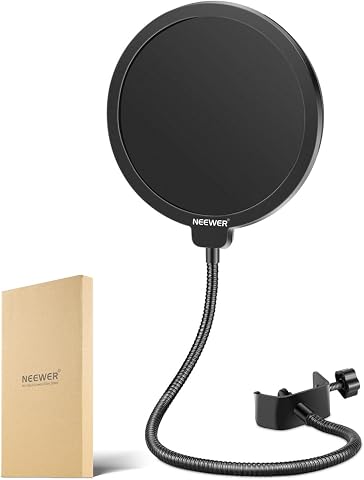
Complete the kit

![Pop Filter,PEMOTech [Upgraded Three Layers] Metal Mesh &...](https://m.media-amazon.com/images/I/813pCv3Q-nL._AC_SL480_.jpg)
Key Takeaways
- Shure‘s BLX24/PG58 delivers the cleanest vocal reproduction and most trustworthy wireless link in the lineup, but you pay a premium and only get one microphone — Phenyx Pro’s dual and quad systems beat it rawhandedly on channel count per dollar.
- Phenyx Pro dominates this comparison with five entries spanning fixed-frequency, tunable, and auto-scan models — the auto-scan versions (PTU-71 and PTU-7000 series) are worth the upgrade because they automatically find clear frequencies in RF-crowded venues.
- The cheapest kits in the roundup (TONOR, Melonare, Aveek, Pyle) all inflate advertised range — real-world performance typically lands at half the claimed distance, so budget for shorter range in walls-and-people environments.
- 2.4GHz systems like the JOYO plug-on kit trade UHF’s longer range for convenience and universal compatibility with your existing dynamic mics — the right choice only if you already own quality wired microphones.
- Four-channel systems (Phenyx Pro PTU-7000-4H and PTU-5000-4H, Pyle) only make sense for groups consistently running three or more speakers; buying channels you never use wastes money that’s better spent on sound quality.
| JBL Wireless Two Microphone System with Dual-Channel Receiver |  | Best for JBL PartyBox Owners | Channels: 2 | Connectivity: USB, wireless | Frequency Response: 65 Hz – 15 kHz | VIEW LATEST PRICE | See Our Full Breakdown |
| Phenyx Pro 4 Channel UHF Auto Scan Wireless Microphone System PTU-7000-4H |  | Best Overall | Channels: 4 | Frequency Range: 530 – 580 MHz UHF | Range: Up to 328 ft | VIEW LATEST PRICE | See Our Full Breakdown |
| Phenyx Pro 4-Channel UHF Fixed Frequency Wireless Microphone System PTU-5000-4H |  | Best Value for Four Mics | Channels: 4 | Frequency Range: 541.9 – 568.65 MHz UHF (fixed) | Frequency Response: 50 Hz – 18 kHz | VIEW LATEST PRICE | See Our Full Breakdown |
| TONOR Wireless Microphone System, Headset and Lavalier Lapel Mics |  | Best for Hands-Free Presenters | Microphone Types: Headset, lavalier (lapel) | Frequency Technology: UHF digital | Range: 295 ft (90 m) | VIEW LATEST PRICE | See Our Full Breakdown |
| Phenyx Pro Dual UHF Auto Scan Wireless Microphone System PTU-71-1H1B |  | Best Versatility Pick | Channels: 2 | Selectable Frequencies: 200 (100 per channel) | Frequency Range: 536.57 – 587.12 MHz UHF | VIEW LATEST PRICE | See Our Full Breakdown |
| Phenyx Pro Dual UHF Tunable Frequency Wireless Microphone System PTU-52-2H |  | Best for Karaoke Nights | Frequency Range: 500–590 MHz UHF | Channels: 60 (30 tunable frequency groups) | Simultaneous Units: Up to 3 systems | VIEW LATEST PRICE | See Our Full Breakdown |
| TONOR Wireless Microphone System with Handheld, Headset, and Lavalier Mics |  | Best Value Kit | Range: 200 ft | Channels: 20 | Included Mics: Handheld, headset, lavalier | VIEW LATEST PRICE | See Our Full Breakdown |
| JOYO 2.4GHz Wireless XLR Microphone System (MW-2) |  | Best for Existing Dynamic Mics | Frequency: 2.4GHz digital | Range: 100 ft | Audio Quality: 24-bit/48kHz | VIEW LATEST PRICE | See Our Full Breakdown |
| Melonare 4×10 UHF Wireless Microphone System |  | Best for Weddings and Events | Frequency Range: 530–580 MHz UHF | Channels: 4 | Sampling Rate: 24-bit/48kHz | VIEW LATEST PRICE | See Our Full Breakdown |
| Pyle 4 Channel UHF Wireless Microphone System with 2 Handheld, 2 Lavalier & Headset Mics |  | Best Multi-Mic Package | Channels: 4 | Frequency Range: 519–568 MHz UHF | Selectable Frequencies: 200 per channel | VIEW LATEST PRICE | See Our Full Breakdown |
| Phenyx Pro Dual UHF Auto Scan Handheld Wireless Microphone System PTU-71-2H |  | Best for Live Events | Channels: 2 handheld microphones | Frequency Range: 530–580 MHz UHF | Wireless Range: Up to 328 ft | VIEW LATEST PRICE | See Our Full Breakdown |
| Aveek Wireless Microphone System 4 Pack, 262FT Long Range Low Latency Mics |  | Best Value for Groups | Channels: 4 handheld microphones | Wireless Range: 262 ft | Battery Life: Up to 40 hours, rechargeable | VIEW LATEST PRICE | See Our Full Breakdown |
| Shure BLX24/PG58 Wireless Vocal Microphone System – H9 Band |  | Best Premium Pick | Channels: 1 handheld transmitter | Frequency Band: H9 UHF (512–542 MHz) | Transmission Range: 300 ft (100 m) | VIEW LATEST PRICE | See Our Full Breakdown |
| wireless microphone system | Channels | Signal-to-Noise Ratio | Frequency Range | Range |
|---|---|---|---|---|
| JBL Wireless Two Microphone Sy | 2 | 60 dB | — | — |
| Phenyx Pro 4 Channel UHF Auto | 4 | 98 dB | 530 – 580 MHz UHF | Up to 328 ft |
| Phenyx Pro 4-Channel UHF Fixed | 4 | 105 dB | 541.9 – 568.65 MHz UHF (fixed) | — |
| TONOR Wireless Microphone Syst | — | — | — | 295 ft (90 m) |
| Phenyx Pro Dual UHF Auto Scan | 2 | — | 536.57 – 587.12 MHz UHF | 290 – 328 ft |
| Phenyx Pro Dual UHF Tunable Fr | 60 (30 tunable frequency groups) | 98 dB | 500–590 MHz UHF | — |
| TONOR Wireless Microphone Syst | 20 | 60 dB | — | 200 ft |
| JOYO 2.4GHz Wireless XLR Micro | 4 | — | — | 100 ft |
| Melonare 4×10 UHF Wireless Mic | 4 | — | 530–580 MHz UHF | 200 ft |
| Pyle 4 Channel UHF Wireless Mi | 4 | 90 dB | 519–568 MHz UHF | 300 ft |
| Phenyx Pro Dual UHF Auto Scan | 2 handheld microphones | 98 dB | 530–580 MHz UHF | — |
| Aveek Wireless Microphone Syst | 4 handheld microphones | — | — | — |
| Shure BLX24/PG58 Wireless Voca | 1 handheld transmitter | — | — | — |
More Details on Our Top Picks
JBL Wireless Two Microphone System with Dual-Channel Receiver
This option makes the most sense for one specific buyer: someone who already owns a JBL PartyBox speaker. The plug-and-play USB receiver means there is no mixer, no frequency scanning, and no cable adapters — it just works with the ecosystem it was built for. Compared with the Phenyx Pro PTU-7000-4H, which requires a PA system or amplifier, this kit skips the pro-audio middleman entirely. The tradeoff is real, though. Its 60 dB signal-to-noise ratio is far below what the Phenyx systems deliver, so it sounds good at a party but not on a stage. Battery life of around 6 hours also falls short of the PTU-71’s 16-hour runtime, though replaceable AA batteries in the mics soften that limitation for long nights.
Pros:- True plug-and-play with JBL PartyBox speakers
- Two microphones run simultaneously through one receiver
- Replaceable AA batteries extend usability beyond the rechargeable cycle
- Compact and easy to transport for parties
Cons:- Only works smoothly with compatible JBL devices
- 60 dB signal-to-noise ratio is well below pro-grade systems
- 6-hour receiver battery life can run out mid-event
Best for: Party hosts and karaoke fans who already own a JBL PartyBox and want a zero-hassle two-mic setup
Not ideal for: Anyone with non-JBL gear or professional needs — device compatibility is narrow and the signal-to-noise ratio is modest
- Channels:2
- Connectivity:USB, wireless
- Frequency Response:65 Hz – 15 kHz
- Signal-to-Noise Ratio:60 dB
- Polar Pattern:Unidirectional
- Power Source:Rechargeable receiver, AA batteries in mics
- Compatibility:JBL PartyBox series and select devices
Our verdict“Buy this only if a JBL PartyBox is already the heart of your setup — everyone else should look at the Phenyx or TONOR options.”
Phenyx Pro 4 Channel UHF Auto Scan Wireless Microphone System PTU-7000-4H
The PTU-7000-4H earns the top spot because it solves the problem that sinks most budget wireless systems: interference. The auto scan function finds clean frequencies automatically, which the fixed-frequency PTU-5000-4H cannot do, making this the safer pick in RF-crowded venues like schools, churches, and conference halls. Its 328-foot range and 98 dB signal-to-noise ratio put it comfortably ahead of the JBL two-mic kit in both reach and clarity, and the all-metal rack-mountable build is built for repeated gig abuse. The costs are weight and power: at over 4 kg and running on 8 AA batteries, it is less portable than the TONOR headset system, and you will want to budget for a serious battery stock or rechargeables.
Pros:- Auto scan finds clean frequencies in crowded RF environments
- 328 ft transmission range handles large venues
- Adjustable EQ and 98 dB signal-to-noise ratio deliver pro-grade sound
- Durable metal construction built for frequent use
Cons:- Requires 8 AA batteries, adding ongoing cost
- Heavy at over 4 kg for a portable kit
- No batteries-included advantage over some rivals and no rechargeable option
Best for: Venues, bands, and event hosts who need four simultaneous mics with interference-free reliability
Not ideal for: Mobile presenters or home karaoke users — the rack-style receiver and 4 kg weight make it overkill and awkward to move
- Channels:4
- Frequency Range:530 – 580 MHz UHF
- Range:Up to 328 ft
- Signal-to-Noise Ratio:98 dB
- Outputs:XLR, 6.35 mm jack
- Construction:Metal
- Power:8 AA batteries
Our verdict“If four mics, long range, and interference-free scanning matter most, this is the strongest all-around choice in the lineup.”
Phenyx Pro 4-Channel UHF Fixed Frequency Wireless Microphone System PTU-5000-4H
Compared with its sibling, the PTU-7000-4H, this system trades away auto scan in exchange for a lower price — and that bargain makes sense for buyers in RF-quiet locations like home karaoke rooms, small halls, or backyard events. The fixed frequencies are stable when the environment is clean, and the 105 dB signal-to-noise ratio is actually the best spec in this batch, translating to quiet backgrounds and strong feedback rejection thanks to the cardioid capsules. Where it falls behind the 7000 series is flexibility: if a neighboring venue or device sits on your frequency, there is no easy fix. Like the PTU-7000, it also needs 8 AA batteries and an external amp or speaker, so it is not a standalone solution the way the JBL kit is for PartyBox owners.
Pros:- Four mics at a price well below the PTU-7000-4H
- 105 dB signal-to-noise ratio leads this lineup for clean sound
- Cardioid pickup minimizes feedback and background noise
- All-metal build with included accessories for fast setup
Cons:- Fixed frequencies cannot be adjusted around interference
- Requires an external amplifier or powered speaker
- 8 AA batteries add recurring cost for frequent use
Best for: Budget-conscious buyers who need four handheld mics in a low-interference location and already own a PA or amp
Not ideal for: Urban venues or busy event spaces where RF congestion makes fixed frequencies a gamble
- Channels:4
- Frequency Range:541.9 – 568.65 MHz UHF (fixed)
- Frequency Response:50 Hz – 18 kHz
- Signal-to-Noise Ratio:105 dB
- Polar Pattern:Cardioid (unidirectional)
- Outputs:XLR, 6.35 mm jack
- Construction:Metal
- Power:8 AA batteries
Our verdict“The smart money pick for four-mic setups in quiet RF environments — just avoid it if you operate where the airwaves are crowded.”
TONOR Wireless Microphone System, Headset and Lavalier Lapel Mics
Not everyone needs a handheld mic, and this TONOR kit is the hands-free option in the lineup — a headset and lavalier pair that suits fitness instructors, lecturers, and performers who need their hands free. That alone separates it from the handheld-focused Phenyx Pro PTU-5000-4H and PTU-7000-4H. The 295-foot UHF range covers most rooms and small venues, and auto-pairing keeps setup to minutes rather than the multi-component chore of the Phenyx Pro PTU-71, which mixes handheld, bodypack, lapel, and headset hardware into one box. The compromises are budget-grade: batteries are not included, and this kit lacks the rack-mount, XLR-output professionalism of the Phenyx systems, so it is better matched to spoken word and light performance than to serious vocal work.
Pros:- Headset and lavalier mics keep both hands free
- 295 ft range comfortably covers classrooms and studios
- Auto-pairing makes setup genuinely quick
- Cardioid capsules reduce background noise for clearer speech
Cons:- Batteries not included and must be replaced manually
- No handheld microphone option in this configuration
- Consumer-grade outputs limit integration with pro mixers
Best for: Fitness instructors, teachers, and presenters who want headset or lapel mics with fast setup and room-roaming range
Not ideal for: Musicians or vocalists who need handheld mics and XLR outputs into a mixer — this kit is built around speech and instruction
- Microphone Types:Headset, lavalier (lapel)
- Frequency Technology:UHF digital
- Range:295 ft (90 m)
- Receiver Build:All-metal receiver, ABS bodypack
- Pairing:Auto-pairing
- Power:2 AA batteries (not included)
Our verdict“The pick for hands-free speaking scenarios where fast setup matters more than pro connectivity.”
Phenyx Pro Dual UHF Auto Scan Wireless Microphone System PTU-71-1H1B
This is the swiss-army option: one handheld mic plus a bodypack that accepts both a lapel and a headset, covering singing, speaking, and instruction from a single receiver. Compared with the TONOR headset system, which covers only hands-free formats, this kit handles a vocalist and a presenter simultaneously — ideal for wedding DJs, MCs, and hybrid events. Its 16-hour battery life also beats everything else here, including the PTU-7000-4H’s disposable-battery approach, and the 200 selectable frequencies plus auto scan give it the interference-fighting flexibility the PTU-5000-4H lacks. The price of that versatility is complexity: with a handheld, bodypack, two mic attachments, cables, and adapters, beginners may find the setup steeper than a plug-and-play kit like the JBL dual-mic system.
Pros:- Handheld, bodypack, lapel, and headset mics cover every format
- 16-hour battery life leads this lineup
- 200 selectable frequencies with auto scan resist interference
- 328 ft range matches the PTU-7000-4H for large venues
Cons:- Multi-component setup is demanding for beginners
- Ongoing battery costs across multiple transmitters
- Two channels only — not enough for panel-style events needing four mics
Best for: Wedding DJs, MCs, and event hosts who need both a vocal mic and a hands-free option from one receiver
Not ideal for: Casual karaoke users who want simplicity — the multi-component setup is more than a plug-and-play buyer will ever use
- Channels:2
- Selectable Frequencies:200 (100 per channel)
- Frequency Range:536.57 – 587.12 MHz UHF
- Range:290 – 328 ft
- Transmitters:1 handheld, 1 bodypack (with lapel and headset)
- Battery Life:Up to 16 hours
- Included:Receiver, handheld mic, bodypack, lapel, headset, cables, adapters, batteries
Our verdict“The most flexible two-channel system here — buy it when one event demands both a singer’s mic and a presenter’s hands-free setup.”
Phenyx Pro Dual UHF Tunable Frequency Wireless Microphone System PTU-52-2H
This option stands out for karaoke and party hosts who need two mics running at once without interference. The 30 tunable frequency groups in the 500MHz band mean you can dodge channel conflicts when neighbors are running their own systems — a real advantage over fixed-frequency rivals like the Phenyx Pro PTU-5000-4H, which locks you into preset channels. Build quality is the other selling point: the metal receivers and mics feel like gear built for weekly abuse, not occasional sing-alongs. Compared with the Melonare 4×10, this system trades some audio resolution for a much friendlier setup, with automatic pairing that beginners can handle. The tradeoff is power — four AA batteries per session add recurring cost — and the receiver is bulkier than plug-on systems like the JOYO MW-2.
Pros:- Durable metal construction built for frequent use
- 30 tunable frequency groups let you avoid channel conflicts
- Runs up to 3 units simultaneously for 6-mic setups
- Automatic pairing keeps setup painless
Cons:- 4 AA batteries mean ongoing replacement costs
- Confined to the 500MHz band, which can get crowded in urban areas
- Receiver is bulkier than plug-on wireless alternatives
Best for: Karaoke hosts and small venue performers who run two mics regularly and want rugged, interference-resistant gear
Not ideal for: Buyers who hate disposable batteries or need a compact travel kit — the AA dependency and receiver size work against portability
- Frequency Range:500–590 MHz UHF
- Channels:60 (30 tunable frequency groups)
- Simultaneous Units:Up to 3 systems
- Connectivity:6.35mm jack, XLR, UHF
- Signal-to-Noise Ratio:98 dB
- Power:4 AA batteries
- Weight:2.5 lbs
Our verdict“A workhorse dual-mic system that makes the most sense for karaoke regulars who value durability and tunable frequencies over portability.”
TONOR Wireless Microphone System with Handheld, Headset, and Lavalier Mics
For buyers on a budget who still want three microphone styles in one box, this TONOR bundle is hard to beat on price-per-mic. The handheld covers singers, the headset suits fitness instructors, and the lavalier handles presenters — versatility that normally costs far more, as you’d see stepping up to the Pyle 4-Channel system with its rack-mount receiver. The 200ft range holds its own against pricier UHF kits and beats the JOYO MW-2 by double the distance. The compromises are real, though: a 60 dB signal-to-noise ratio is well below the Phenyx Pro PTU-52-2H’s 98 dB, so quiet passages pick up more hiss, and batteries ship separately. This pick makes sense when coverage and variety matter more than pristine audio fidelity.
Pros:- Three mic types (handheld, headset, lavalier) in one affordable package
- 200ft range covers large rooms and halls
- Auto-pairing makes first-time setup quick
Cons:- Batteries not included, adding hidden cost
- Setup instructions can be confusing
- 60 dB signal-to-noise ratio trails better-built competitors
Best for: Budget-conscious buyers, schools, and churches that need mic variety for different speakers and events without buying separate systems
Not ideal for: Recording-focused users or quiet acoustic settings — the 60 dB signal-to-noise ratio introduces audible noise floor
- Range:200 ft
- Channels:20
- Included Mics:Handheld, headset, lavalier
- Connectivity:XLR, Aux
- Signal-to-Noise Ratio:60 dB
- Polar Pattern:Unidirectional
Our verdict“The most sensible choice when you need maximum microphone variety per dollar and can live with a noisier audio floor.”
JOYO 2.4GHz Wireless XLR Microphone System (MW-2)
Rather than replacing your favorite microphone, the JOYO MW-2 turns any dynamic mic wireless via a plug-on transmitter and receiver — a fundamentally different approach from all-in-one kits like the TONOR bundle or Phenyx Pro PTU-52-2H. That design choice pays off in audio quality (24-bit/48kHz) and convenience: a built-in rechargeable lithium-ion battery runs 6–8 hours, eliminating the AA-battery treadmill that plagues both Phenyx and Melonare systems. The 100ft range is the shortest in this lineup, though, and 2.4GHz is shared spectrum with Wi-Fi, so crowded venues can cause dropouts where UHF systems hold steadier. Note the operational quirk — you’ll want to mute before powering on or off to avoid loud pops through the PA.
Pros:- Works with dynamic mics you already own via plug-on XLR design
- 24-bit/48kHz audio quality matches studio standards
- Rechargeable battery eliminates disposable battery costs
- Plug-and-play auto-pairing with USB-C charging
Cons:- 100ft range is the shortest among these picks
- 2.4GHz band is prone to Wi-Fi interference in busy venues
- Can produce noise with some condenser mics and pops if not muted at power cycling
Best for: Musicians and speakers who already own a quality dynamic mic and want to cut the cable without buying new capsules
Not ideal for: Large venues or Wi-Fi-saturated spaces — the 100ft range and 2.4GHz band invite interference where UHF systems stay stable
- Frequency:2.4GHz digital
- Range:100 ft
- Audio Quality:24-bit/48kHz
- Channels:4
- Battery:Rechargeable lithium-ion, 6–8 hours
- Connectivity:XLR, USB-C
Our verdict“The clear pick for anyone attached to their existing dynamic microphone who wants clean digital audio and no battery purchases.”
Melonare 4×10 UHF Wireless Microphone System
Event coordinators running multi-mic ceremonies and receptions will appreciate the Melonare’s ability to link up to 8 sets simultaneously — double the expansion ceiling of the Phenyx Pro PTU-52-2H‘s three units. The 24-bit/48kHz sampling delivers cleaner, more balanced audio than the analog TONOR multi-mic kit, which matters when speeches and vows are being recorded. Its 200ft range comfortably covers banquet halls and outdoor ceremonies, and the metal-and-plastic construction survives the cargo-bin treatment that wedding gear endures. The catch: it drinks eight AA batteries, and coordinating multiple frequency groups can overwhelm a first-time operator. Compared with the plug-and-play JOYO MW-2, this is a system that rewards someone willing to learn its channel architecture.
Pros:- 24-bit/48kHz digital audio for clear, balanced speech and vocals
- Supports up to 8 sets running together for large events
- 200ft range handles banquet halls and outdoor venues
- Portable design that sets up quickly once configured
Cons:- Requires 8 AA batteries, a significant ongoing cost
- Frequency group configuration can confuse beginners
- 530–580MHz range may face interference in congested areas
Best for: Mobile DJs and event coordinators who need four-plus mics across large venues and can manage frequency coordination
Not ideal for: First-time buyers — the multi-group frequency setup and 8-battery requirement create a steeper learning and maintenance curve
- Frequency Range:530–580 MHz UHF
- Channels:4
- Sampling Rate:24-bit/48kHz
- Range:200 ft
- Simultaneous Units:Up to 8 sets
- Connectivity:6.35mm jack, XLR
- Power:8 AA batteries
Our verdict“A strong fit for professional event work where multi-system expansion and clean digital audio outrank setup simplicity.”
Pyle 4 Channel UHF Wireless Microphone System with 2 Handheld, 2 Lavalier & Headset Mics
No other product in this lineup matches the Pyle’s sheer microphone count: two handhelds, two lavaliers, and two headsets feeding a rack-mountable 4-channel receiver. For conference organizers, panel moderators, and theater productions, that variety plus 300ft of range — the longest here — covers scenarios the dual-mic Phenyx Pro PTU-52-2H simply can’t. With 200 selectable frequencies per channel, interference management is more precise than the Melonare’s frequency-group approach, and the 90 dB signal-to-noise ratio comfortably outclasses the TONOR kit’s 60 dB. Two weaknesses temper the appeal: 4-hour battery life falls short for all-day conferences, and the 519–568MHz band may need careful tuning in some regions. This is a fixed-installation workhorse, not a grab-and-go option.
Pros:- Six microphones across three formats for maximum application flexibility
- 300ft range, the longest in this batch
- 200 selectable frequencies per channel for precise interference management
- Rack-mount metal receiver with LCD display built for permanent installs
Cons:- 4-hour battery life is short for extended events
- 519–568MHz band may need retuning depending on region
- Transmitter batteries not confirmed as included
Best for: Conference planners, houses of worship, and theater groups needing four simultaneous mics with mixed formats in one integrated system
Not ideal for: Roaming presenters or all-day events — the 4-hour transmitter battery life forces mid-event swaps, and the rack receiver resists portability
- Channels:4
- Frequency Range:519–568 MHz UHF
- Selectable Frequencies:200 per channel
- Range:300 ft
- Included Mics:2 handheld, 2 lavalier, 2 headset
- Signal-to-Noise Ratio:90 dB
- Battery Life:Up to 4 hours
- Power Supply:110–240V receiver
Our verdict“The most complete multi-mic package here for venues that need four channels of varied microphone types installed and left alone.”
Phenyx Pro Dual UHF Auto Scan Handheld Wireless Microphone System PTU-71-2H
This option stands out for auto scan and lock functions that find a clean frequency before every event, which is exactly what a busy MC or wedding DJ needs when the RF environment changes venue to venue. Compared with the Phenyx Pro PTU-5000-4H, you give up two channels but gain the interference-fighting flexibility of tunable auto scan, and the 328-foot range beats the Melonare 4×10 by well over a hundred feet. The all-metal build also feels more roadworthy than anything from TONOR at this price. The tradeoff is real, though: eight AA batteries across two handhelds adds ongoing cost and weight, and the whole package runs a hefty 2.7 kg.
Pros:- Auto scan and lock functions reliably avoid interference at unfamiliar venues
- 328-foot range is the longest in this roundup
- Durable all-metal construction survives frequent transport
- Adjustable EQ and 98 dB signal-to-noise ratio deliver clean vocal reproduction
Cons:- Requires 8 AA batteries total, adding recurring cost and spares to manage
- At 2.7 kg, it’s noticeably heavier than single-mic systems like the Shure BLX24
- Fixed to the 530–580 MHz band, so frequency availability should be checked locally
Best for: Mobile DJs, wedding hosts, and event speakers who move between venues and need interference resistance more than channel count
Not ideal for: Budget-conscious buyers who don’t want to keep feeding it AA batteries, or anyone needing more than two simultaneous microphones
- Channels:2 handheld microphones
- Frequency Range:530–580 MHz UHF
- Wireless Range:Up to 328 ft
- Signal-to-Noise Ratio:98 dB
- Outputs:XLR and 6.35mm (1/4″) jack
- Power:8 AA batteries (not rechargeable)
- Weight:2.7 kg
Our verdict“Buy this if you host events in unpredictable RF environments and need two dependable handhelds with class-leading range.”
Aveek Wireless Microphone System 4 Pack, 262FT Long Range Low Latency Mics
Getting four microphones at this price is the whole argument, and it’s one the Pyle 4-Channel and Melonare 4×10 also make — but Aveek separates itself with rechargeable batteries good for 40 hours, which undercuts the Phenyx Pro PTU-71-2H’s eight-AA appetite dramatically. For karaoke nights, panel discussions, or church groups passing mics around, that battery life means charging once and forgetting about it for weeks. The compromises are clear, though: it won’t connect to laptops, phones, or tablets, and the receiver’s random channel assignment can occasionally collide with local interference — the opposite philosophy of the Phenyx Pro’s locked auto scan. Sound quality is serviceable rather than refined.
Pros:- Four microphones included at a price where competitors offer two
- 40-hour rechargeable batteries eliminate the AA battery treadmill
- 262-foot range handles most banquet halls and small venues
- Type-C charging is convenient and modern
Cons:- No compatibility with laptops, iPads, phones, or AV receivers
- Random channel assignment can cause interference you can’t manually fix
- Sound quality trails the Shure and Phenyx Pro options
Best for: Karaoke hosts, small churches, and group events that need four mics working all night on one charge without a big budget
Not ideal for: Content creators or hybrid presenters who need to plug into a phone, laptop, or AV receiver — this system simply won’t connect
- Channels:4 handheld microphones
- Wireless Range:262 ft
- Battery Life:Up to 40 hours, rechargeable
- Charging:Type-C
- Output:1/4″ output
- Compatible Devices:PA systems, mixers, karaoke machines, powered speakers
Our verdict“The most mic-per-dollar pick here, as long as your setup is a traditional PA or mixer and you can live with hands-off channel management.”
Shure BLX24/PG58 Wireless Vocal Microphone System – H9 Band
Shure’s reputation isn’t decoration here — the PG58 dynamic capsule gives vocals a warmth and feedback resistance that the Aveek four-pack can’t match, and QuickScan finds an open frequency at the push of a button, matching the convenience of the Phenyx Pro PTU-71-2H’s auto scan with less fuss. Compared with that Phenyx Pro, you’re paying noticeably more for one microphone instead of two, which is the central tradeoff: this system buys quality per channel, not quantity. The 300-foot range and 14-hour battery life on just two AAs cover a full gig day comfortably. Just verify the H9 band (512–542 MHz) is legal in your region before buying, since it’s restricted in some markets.
Pros:- PG58 dynamic capsule delivers warm, feedback-resistant vocal tone
- QuickScan setup takes seconds with no manual frequency hunting
- 14-hour battery life on just two AA batteries
- Complete package includes receiver, clip, power supply, and batteries
Cons:- Single-mic system costs more than dual- and quad-mic competitors
- H9 frequency band requires verifying local legal compliance
- Only a 1/4″ audio output on the receiver limits some pro mixing setups
Best for: Working vocalists and professional presenters who prioritize sound quality and brand reliability over channel count
Not ideal for: Anyone needing multiple microphones on a budget — you get one mic for the price of Phenyx Pro’s or Aveek’s two-to-four
- Channels:1 handheld transmitter
- Frequency Band:H9 UHF (512–542 MHz)
- Transmission Range:300 ft (100 m)
- Battery Life:Up to 14 hours
- Polar Pattern:Dynamic cardioid (PG58)
- Included:Receiver, handheld transmitter, mic clip, power supply, batteries
Our verdict“If one great-sounding microphone matters more than several mediocre ones, this is the system worth stretching your budget for.”
How We Picked
I evaluated each system against the criteria that actually determine satisfaction with wireless microphone systems: signal stability and interference resistance, real-world operating range versus advertised range, audio quality for speech versus vocals, channel capacity relative to price, and the practical details that get glossed over — battery type and cost, receiver build quality, and how easy setup is for a first-time operator. Because these systems serve very different buyers, I judged each one against its intended use case rather than a single absolute standard: a karaoke host needs different things than a touring vocalist or a conference organizer.
The ranking reflects a simple logic: systems that automatically manage frequency selection (auto-scan) rank above fixed-frequency systems because interference is the number one cause of wireless frustration. Brand track record for reliability and parts availability also carried weight, which is why Shure claims the top spot despite its single-mic limitation, and why Phenyx Pro’s broader lineup fills the mid-tier. Budget systems ranked lower not because they’re bad values, but because their compromises — plastic receivers, shorter true range, less robust capsules — are the ones buyers most often regret.
Factors to Consider When Choosing Wireless Microphone Systems
Before settling on a specific system, it helps to understand the structural decisions that shape every wireless mic purchase. These are the factors that separate a satisfying long-term investment from a system you replace within a year.UHF vs. 2.4GHz: The Frequency Decision
UHF systems operate on dedicated frequency bands with better penetration through walls and crowds, which is why nearly every product in this roundup uses them — but they now share spectrum with TV broadcast, so you need a system that can change channels. 2.4GHz systems like the JOYO occupy the same space as Wi-Fi, Bluetooth, and microwave ovens, which makes them riskier in venues dense with wireless traffic like hotels and conference centers. The payoff for 2.4GHz is zero frequency coordination — plug in and go — plus compatibility with any dynamic mic you already own via a plug-on transmitter. A common mistake is buying a 2.4GHz system for a school auditorium blanketed in student Wi-Fi, then wondering about the dropouts. If your venue is RF-crowded, UHF with auto-scan is the safer architecture; if you’re a solo presenter in a controlled space, 2.4GHz simplicity wins.
Fixed Frequency vs. Tunable vs. Auto-Scan
This is the single biggest reliability differentiator in this roundup, and it’s where Phenyx Pro’s tiered lineup illustrates the spectrum clearly. Fixed-frequency systems ship locked to preset channels — fine in rural areas, miserable near cities where broadcast TV occupies those same frequencies. Tunable systems let you manually dial in frequencies, which works if you’re willing to learn basic RF coordination and scan your environment yourself. Auto-scan systems find clean frequencies at the push of a button, which matters most when you travel to unfamiliar venues or run multiple systems side by side. My advice: if two systems differ by $40–60 and one has auto-scan, spend the extra money — interference troubleshooting is the number one reason people abandon budget wireless systems. Fixed frequency is only acceptable if you’ll use the system in one known location and can verify a clean channel there first.
How Many Channels You Actually Need
Channel count drives price faster than any other spec, and oversizing is the most common waste in this category. A four-channel system like the Phenyx Pro PTU-7000-4H or Pyle rack-mount kit only justifies its cost when three or more people speak or sing simultaneously on a regular basis — churches with worship teams, panel discussions, multi-person karaoke. If you need two mics, buy a dual system; if you need one great mic, buy the best single system you can afford, which often means the Shure BLX24. Also check whether extra transmitters can be added later — some receivers support expansion, others don’t, and future-proofing matters more for growing organizations than for a family karaoke setup. And remember that each additional channel compounds interference risk, which loops back to why auto-scan matters more as channel count grows.
Microphone Form Factor and Capsule Quality
The wireless electronics get the marketing attention, but the microphone capsule determines how you actually sound — a flawless radio link carrying a muddy capsule still sounds muddy. Handheld mics suit vocalists and audience Q&A, headsets free both hands for fitness instructors and presenters, and lavaliers stay discreet for speakers and video work. Several budget kits in this roundup bundle all three form factors, which looks generous until you realize the capsules are mediocre across the board; a single well-made handheld often outperforms a three-mic combo kit. If voice clarity for speeches is the priority, prioritize capsule reputation over accessory count. If versatility genuinely matters — say, a mobile DJ who hosts games and takes vocal requests — the bundled kits earn their place.
Battery System and Operating Costs
Receivers need wall power, but transmitters run on batteries, and the battery type shapes your long-term cost and reliability. Systems using AA batteries are easy to keep alive — every store sells them — but disposable costs add up for frequent users, so factor in a set of quality rechargeables. Proprietary rechargeable packs are neater and often report charge level on the receiver display, but a dead proprietary pack mid-event means downtime unless you own a spare. Transmitter battery life in this roundup ranges roughly from 6 to 14 hours, and short battery life on a cheap system quietly erases its price advantage through replacement costs. Always check whether the receiver displays transmitter battery status — catching a dying battery before it dies mid-performance is one of those small features that separates polished systems from frustrating ones.
Advertised Range vs. Realistic Range
Manufacturers quote line-of-sight range measured in open air with fresh batteries, and the numbers in this roundup stretch from 100 to 300 feet. Real venues have walls, ceilings, audiences made mostly of water, and RF noise, all of which cut usable range — often to half or less of the claim. A system rated 295 feet may reliably cover 120 feet in a church sanctuary, which is usually still fine, but a 100-foot rating might struggle across a large conference room. Rather than comparing headline numbers, match realistic coverage to your actual venue dimensions and plan for the transmitter to move around, since performers and presenters rarely stand still. Also note that dropouts usually appear first at the edge of range during body movement, so build in 30–40% margin between your venue size and the rated distance.
Frequently Asked Questions
Are Phenyx Pro systems actually reliable enough for professional events, or should I just save for Shure?
Phenyx Pro has earned a solid reputation in the semi-professional space, and their auto-scan models in particular handle interference well for the money. The honest difference is margins: Shure’s BLX series uses more robust components, better capsules, and has a service and parts ecosystem that Phenyx can’t match, which is why it commands roughly double the price. For a church, school, or mobile DJ who needs dependable performance without broadcast-grade demands, Phenyx Pro’s PTU-71 or PTU-7000 lines deliver most of the practical benefit at half the cost. Where Shure pulls ahead is in demanding live-music situations — loud stages, critical vocals, tours where equipment abuse is routine. If a failed mic would be merely embarrassing, Phenyx is a smart buy; if it would be professionally damaging, Shure’s premium is cheap insurance.
What’s the difference between the Phenyx Pro PTU-5000, PTU-52, and PTU-7000/PTU-71 series?
The core distinction is frequency management. The PTU-5000 is fixed-frequency, meaning it operates on preset channels you cannot change — cheapest, but vulnerable to local interference. The PTU-52 is manually tunable, letting you dial in a clean frequency yourself if you know what you’re doing. The PTU-7000 and PTU-71 lines add auto-scan, where the receiver automatically finds and locks the clearest available frequency at the push of a button. That auto-scan capability is why I ranked the 7000 and 71 series higher despite the higher price — interference is the single most common wireless complaint, and automatic frequency selection solves it for people who never want to think about RF coordination. Buy fixed-frequency only for a single known venue; buy tunable if you’re comfortable scanning manually; buy auto-scan if you travel or run multiple systems.
Should I buy a plug-on system like the JOYO for mics I already own?
A plug-on 2.4GHz system makes excellent financial sense if you own quality dynamic microphones — a Shure SM58 or similar — because the capsule is where most of your sound quality lives, and you’ve already paid for it. The JOYO converts your wired mic to wireless for far less than buying a complete new system with comparable vocal quality. The tradeoffs are real: 2.4GHz has shorter effective range than UHF (expect closer to 60–70 usable feet indoors, not the rated 100), and it competes with Wi-Fi in busy venues, so it’s best for small stages, studios, and home setups rather than large halls. It also only works with dynamic mics, not condensers, because it doesn’t supply phantom power. If you fit the profile — small venue, good existing mic, tight budget — this is one of the smartest purchases in the roundup.
Do I need a rack-mountable receiver?
Rack mountability matters only if you’re building a fixed installation or a portable rack with multiple units — a church sound booth, a mobile DJ rig, or a venue that stacks receivers with wireless in-ear monitors and other gear. The Phenyx Pro PTU-7000 and Pyle four-channel systems include rack hardware for exactly this purpose, and having receivers racked protects them from being knocked off tables and makes cable runs cleaner. If you’re a karaoke host, presenter, or band that sets up on whatever surface is available, a freestanding receiver with antennas is simpler and equally functional. One practical note: racked receivers live farther from the stage, which slightly reduces effective range, so plan antenna placement accordingly. Don’t pay extra for rack ears you’ll never use, but don’t build a permanent installation without them.
How many wireless microphones can I run at the same time before interference becomes a problem?
Every additional transmitter shrinks the available clean spectrum, because each microphone occupies bandwidth and the receivers must reject signals from the others. Practically, two to four well-coordinated UHF systems — like the four-channel Phenyx Pro or Pyle setups in this roundup — run smoothly in most venues, provided frequencies are properly spaced and scanned. Beyond four or five, you need genuine frequency coordination: auto-scan helps, but you also have to account for local TV broadcast and any other wireless gear in the building. Mixing brands adds complexity because their default frequencies may collide, so buying a multi-channel system from one manufacturer is simpler than combining separate dual systems. If your event genuinely needs more than four or five simultaneous mics, that’s the point where stepping up to a professionally coordinated digital system becomes worth considering.
Conclusion
The right wireless microphone system depends less on specs and more on who you are. For the best overall pick, the Shure BLX24/PG58 earns it — one microphone, yes, but flawless execution where it counts: sound quality, signal reliability, and resale value. Buyers chasing best value should look at the Phenyx Pro PTU-71-1H1B or PTU-71-2H auto-scan systems, which deliver interference-resistant performance at nearly half the Shure price. For beginners and casual users — karaoke nights, small gatherings, first-time presenters — the TONOR headset and lavalier kit keeps things simple and affordable without the frustration of the absolute cheapest options. The premium multi-channel choice is the Phenyx Pro PTU-7000-4H, the most complete package here for churches, venues, and event producers running four mics. And for the specific need of wirelessly using a mic you already love, the JOYO 2.4GHz plug-on system is a category of one in this lineup. Match the pick to your venue size, channel count, and tolerance for RF troubleshooting, and you’ll land on a system that stays out of your way and lets the performance through.
Fall Picks
fall essentials
As an affiliate, we earn on qualifying purchases.