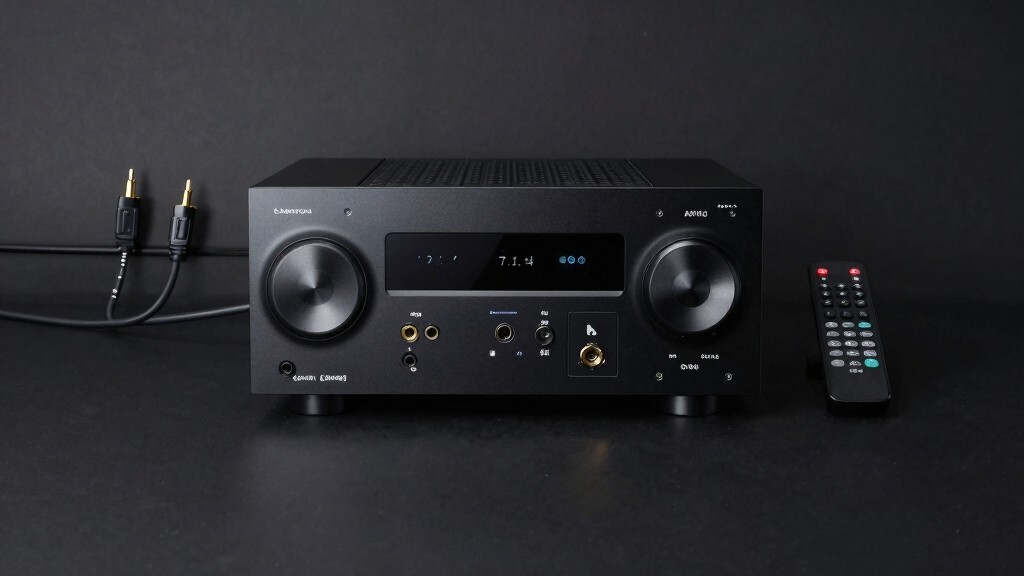

Building a 7.1.4 Atmos home theater system requires an AV receiver that can handle multiple channels, high-quality audio processing, and 4K/8K video support—all within a $3000 budget. The Denon AVR-X1700H stands out for its balance of power and features, making it a versatile choice for most users. For those seeking premium sound with advanced features, the Yamaha RX-A2A offers robust build quality and excellent connectivity. Meanwhile, the Sony STR-AZ1000ES delivers high-end performance for dedicated enthusiasts willing to pay a bit more. Navigating between high performance, feature set, and price remains the main challenge in this category. Continue reading for a detailed comparison that clarifies which model best fits different needs.

Get audio and creator gear delivered free with Prime
- Fast, free delivery on millions of items
- Prime Video, Amazon Music and more included
- Member-only deals all year
Complete the kit



Key Takeaways
- The top picks balance power, feature set, and future-proofing within the $3000 limit.
- Models with multiple HDMI inputs and 8K support are crucial for compatibility with current and upcoming devices.
- Sound quality and room calibration features vary significantly, impacting overall experience.
- Build quality and user interface differences influence long-term satisfaction and ease of use.
- Choosing between premium features and value depends heavily on specific home theater goals and setup complexity.
| Yamaha RX300A 5.2-Channel Home Theater AV Receiver with Dolby Atmos, 4K120/8K HDMI, Bluetooth Multipoint |  | Best for Easy Setup and Immersive Sound in Smaller Rooms | Channels: 5.2 | Power: 70W per channel | HDMI Support: 4K120/8K60, HDMI eARC/ARC | VIEW LATEST PRICE | See Our Full Breakdown |
| Denon AVR-X1700H 7.2 Channel AV Receiver – 80W/Channel, Built-in HEOS |  | Best for Versatile Connectivity and Future-Proof 8K Support | Channels: 7.2 | Power per Channel: 80W | HDMI Inputs: 3 dedicated 8K inputs | VIEW LATEST PRICE | See Our Full Breakdown |
| Yamaha RX-V6A 7.2-Channel AV Receiver with MusicCast |  | Best for Advanced Features and Multi-Room Audio | Channels: 7.2 | HDMI Inputs: 7 | HDMI Version: HDMI 2.1 | VIEW LATEST PRICE | See Our Full Breakdown |
| Marantz Cinema 70s Slimline 7.2 Channel AV Receiver with HEOS, Dolby Atmos, 8K, and 6 HDMI Inputs |  | Best for Space-Conscious Enthusiasts with Premium Sound | Channels: 7.2 | Power per Channel: 50W | HDMI Inputs: 6 | VIEW LATEST PRICE | See Our Full Breakdown |
| Denon AVR-S970H 7.2 Channel 8K UHD AV Receiver with Wi-Fi and Bluetooth |  | Best for High-Performance 8K Streaming and Easy Setup | Channels: 7.2 | Power per Channel: 90W | HDMI Ports: 8 | VIEW LATEST PRICE | See Our Full Breakdown |
| Denon AVR-X1800H 7.2 Channel AV Stereo Receiver (80W x 7), WiFi, Bluetooth |  | Best for Balanced Performance and Future-Proofing | Channels: 7.2 | Power Output: 80W x 7 | HDMI Inputs: 3 dedicated 8K inputs | VIEW LATEST PRICE | See Our Full Breakdown |
| Denon AVR-S770H 7.2 Channel 8K UHD Home Theater Receiver with Dolby Atmos and Voice Control |  | Best for Seamless Smart Integration and Gaming | Channels: 7.2 | Power Output: 75W per channel | Video Support: 8K/60Hz, Dolby Vision | VIEW LATEST PRICE | See Our Full Breakdown |
| Onkyo TX-NR6100 7.2 Channel THX Certified Network AV Receiver – Black |  | Best for Power and Premium Sound Quality | Channels: 7.2 | Power Output: 210W per channel | HDMI Ports: 8 HDMI 2.1 ports | VIEW LATEST PRICE | See Our Full Breakdown |
| Yamaha RX-V685 7.2-Channel AV Receiver with MusicCast |  | Best for Multi-Room Flexibility and Ease of Use | Channels: 7.2 | HDMI Inputs: 5 | Supports: Dolby Atmos, DTS:X | VIEW LATEST PRICE | See Our Full Breakdown |
| Yamaha RX-A2A AVENTAGE 7.2-Channel AV Receiver with 8K HDMI, Dolby Atmos, DTS:X, Wi-Fi, Bluetooth, MusicCast | 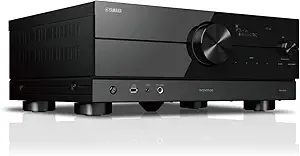 | Best for Premium Build and Future-Ready Features | Channels: 7.2 | HDMI Ports: 8 | Video Support: 8K HDMI | VIEW LATEST PRICE | See Our Full Breakdown |
| Sony STR-AZ1000ES Premium ES 7.2 CH 8K A/V Receiver |  | Best Overall for Custom Home Theater Enthusiasts | Connectivity Technology: Bluetooth | Controller Type: Google Assistant | Special Features: 360 Reality Audio Compatible | VIEW LATEST PRICE | See Our Full Breakdown |
| JBL MA710 7.2 Channel 8K AV Receiver (White) |  | Best for High-Fidelity Multi-Source Integration | Connectivity Technology: Ethernet, HDMI | Controller Type: Remote | Built-In Bluetooth: Yes | VIEW LATEST PRICE | See Our Full Breakdown |
More Details on Our Top Picks
Yamaha RX300A 5.2-Channel Home Theater AV Receiver with Dolby Atmos, 4K120/8K HDMI, Bluetooth Multipoint
The Yamaha RX300A stands out for delivering Dolby Atmos and DTS Virtual:X sound quality, making it ideal for those seeking immersive audio without overcomplicating setup. Compared with the Marantz Cinema 70s, it offers a simpler interface and room correction, though it sacrifices power and channel count—limiting its capacity for larger or more ambitious 7.1.4 configurations. Its support for 4K120/8K HDMI and Bluetooth Multipoint supports modern high-resolution and wireless needs efficiently. However, beginners might find the extensive settings intimidating, and it’s limited to 5.2 channels, so expanding to full 7.1.4 setups isn’t straightforward.
Pros:- Immersive Dolby Atmos and DTS Virtual:X sound
- Supports 4K120/8K HDMI with advanced features
- Easy setup with on-screen menu and room correction
- Wireless streaming with Bluetooth Multipoint
Cons:- Limited to 5.2 channels, not 7.1 or higher
- More complex to configure all settings for beginners
Best for: Homeowners prioritizing straightforward set-up and high-quality immersive sound in medium-sized rooms
Not ideal for: Enthusiasts looking for a full 7.2 or 7.2.4 Atmos setup with more power and channels
- Channels:5.2
- Power:70W per channel
- HDMI Support:4K120/8K60, HDMI eARC/ARC
- Dolby Atmos:Yes
- DTS Virtual:X:Yes
- Bluetooth:Multipoint
Our verdict“This receiver is perfect for users wanting excellent Atmos sound in smaller spaces without the need for extensive expansion.”
Denon AVR-X1700H 7.2 Channel AV Receiver – 80W/Channel, Built-in HEOS
The Denon AVR-X1700H offers a solid combination of 7.2 channels at 80W each, with support for 8K HDMI pass-through, Dolby Atmos, and DTS:X, making it a versatile choice for those who want future-proofing. Unlike the Yamaha RX300A, which is limited to 5.2 channels, the Denon supports a full 7.2 setup, providing more flexibility for larger or more complex systems. Its built-in HEOS and voice control options add multi-room and smart features, although its complexity can challenge less tech-savvy users, and detailed specs like Bluetooth range are not specified. Its price might be higher than simpler models, but the expanded features justify it for many home theater enthusiasts.
Pros:- Supports 8K HDMI pass-through and HDR formats
- Full 7.2 channels for larger systems
- Built-in HEOS for multi-room streaming
- Supports voice control via Alexa and Siri
Cons:- Complex feature set may overwhelm beginners
- Price not specified, potentially higher for basic users
Best for: Homeowners seeking a comprehensive, multi-room capable receiver with full 7.2 channels and 8K support
Not ideal for: Casual users who prefer simple plug-and-play setups or have limited room space
- Channels:7.2
- Power per Channel:80W
- HDMI Inputs:3 dedicated 8K inputs
- Supports:8K/60Hz, Dolby Atmos, DTS:X
- Streaming Services:Spotify, Pandora, Amazon Music HD
- Voice Control:Alexa, Siri
Our verdict“Ideal for those wanting an all-in-one, future-ready receiver capable of powering a full 7.2 system with multi-room capabilities.”
Yamaha RX-V6A 7.2-Channel AV Receiver with MusicCast
The Yamaha RX-V6A is a highly capable 7.2-channel receiver supporting HDMI 2.1, 8K, and 4K120, making it suitable for cutting-edge video and audio formats. It excels over the Yamaha RX300A by offering more channels and modern connectivity options, including AirPlay 2 and MusicCast multi-room audio. Its extensive feature set benefits users who want the latest HDMI capabilities and seamless multi-room integration, but setup can be complex for those unfamiliar with advanced AV gear. Its premium price may be a barrier for budget-conscious buyers, and its power output at 70W might be less suitable for large spaces demanding more volume.
Pros:- Supports HDMI 2.1 with 8K and 4K120 support
- Multiple wireless streaming options and voice control
- Advanced room calibration with YPAO
- MusicCast multi-room audio integration
Cons:- Setup complexity may challenge novices
- Premium price point
Best for: Tech-savvy users wanting the latest HDMI 2.1 features with multi-room audio support
Not ideal for: Beginners or users with smaller rooms who prefer straightforward, plug-and-play solutions
- Channels:7.2
- HDMI Inputs:7
- HDMI Version:HDMI 2.1
- Video Support:4K60, 4K120AB, 8K60B
- Wireless Connectivity:Wi-Fi, Bluetooth, AirPlay 2
- Voice Control:Alexa, Google Assistant, Siri
Our verdict“Best suited for users who prioritize future-proof HDMI features and multi-room audio in a high-end AV receiver.”
Marantz Cinema 70s Slimline 7.2 Channel AV Receiver with HEOS, Dolby Atmos, 8K, and 6 HDMI Inputs
The Marantz Cinema 70s combines sleek, slimline design with quality sound, supporting 7.2 channels and Dolby Atmos, DTS:X, and 8K video. It offers high-quality immersive sound, multiple HDMI inputs, and built-in HEOS for streaming, making it a good fit for those with limited space who still want premium features. Compared to the Denon AVR-S970H, it has a lower power output at 50W per channel, which might limit its performance in larger rooms. Its compact design is a plus for aesthetics but might restrict expansion or loud volume levels. Users should consider its power limitations for demanding environments.
Pros:- Slim, stylish design fits into tight spaces
- Supports Dolby Atmos, DTS:X, 8K HDMI pass-through
- Built-in HEOS for streaming
- Supports multiple HDR formats
Cons:- Limited power output at 50W per channel
- Setup may be overwhelming due to many features
Best for: Space-conscious users seeking a stylish, high-performance AV receiver for medium-sized rooms
Not ideal for: Large, open spaces requiring high wattage or more than 7.2 channels
- Channels:7.2
- Power per Channel:50W
- HDMI Inputs:6
- HDMI Pass-through:3 (8K-compatible)
- Video Formats Supported:HDR10+, HDR10, Dolby Vision
- Connectivity:WiFi, Bluetooth, HEOS
Our verdict“Perfect for users who want a compact, stylish receiver with high-end Atmos and 8K support for smaller rooms.”
Denon AVR-S970H 7.2 Channel 8K UHD AV Receiver with Wi-Fi and Bluetooth
The Denon AVR-S970H offers a compelling package with 7.2 channels at 90W each, supporting 8K/60Hz pass-through and Dolby Atmos, DTS:X. It provides a straightforward, user-friendly setup with room calibration and streaming options like TIDAL and Amazon Music HD, making it suitable for those who want high-quality video and sound without the complexity of high-end models like the Yamaha RX-V6A. Its multiple HDMI ports and support for latest HDR formats make it versatile, though its feature set might be overkill for smaller or less demanding setups. Price-wise, it sits at a point that balances features and affordability, appealing to serious home theater fans.
Pros:- Supports 8K/60Hz pass-through and Dolby Atmos
- Powerful 7.2 surround sound at 90W per channel
- Multiple HDMI inputs and HDR support
- Easy setup with room calibration
Cons:- Feature set may be complex for beginners
- Price may be higher than entry-level options
Best for: Enthusiasts wanting a straightforward, powerful 8K-compatible receiver with good streaming options
Not ideal for: Budget-conscious users or those with small rooms needing only basic features
- Channels:7.2
- Power per Channel:90W
- HDMI Ports:8
- Supports:8K/60Hz, Dolby Atmos, DTS:X
- Streaming Services:Spotify, Pandora, TIDAL
- Room Calibration:Audyssey Suite
Our verdict“Best suited for users seeking a reliable, feature-rich receiver capable of handling 8K video and immersive surround sound with simple setup.”
Denon AVR-X1800H 7.2 Channel AV Stereo Receiver (80W x 7), WiFi, Bluetooth
The Denon AVR-X1800H stands out for supporting both 8K video and immersive 3D audio formats like Dolby Atmos and DTS:X, making it a versatile choice for those who want clarity in both video and sound. Compared with the Yamaha RX-V685, it provides more HDMI inputs and better support for high-resolution formats, though it comes with a more complex setup process that may challenge beginners. Its multi-room streaming via HEOS adds convenience for multi-zone setups, but its higher power consumption may be a concern for energy-conscious users. The 80W per channel output is adequate for most home theaters, though not as powerful as the Onkyo TX-NR6100, which offers 210W per channel but at a higher price and larger size. Overall, this receiver makes the most sense for users seeking a comprehensive, future-ready home theater with multi-room capabilities and detailed video support.
Pros:- Supports 8K video pass-through and immersive audio formats
- Multiple HDMI inputs with high bandwidth support
- Built-in HEOS multi-room streaming
Cons:- Complex setup for those unfamiliar with advanced AV gear
- Relatively high power consumption
Best for: Homeowners wanting 8K support and immersive sound with multi-room streaming.
Not ideal for: Beginners seeking a straightforward setup or users on a tight energy budget.
- Channels:7.2
- Power Output:80W x 7
- HDMI Inputs:3 dedicated 8K inputs
- Video Support:8K/60Hz, Dolby Vision, HDR10+
- Wireless Streaming:Bluetooth, Wi-Fi, AirPlay 2, HEOS
- Supported Audio Formats:Dolby Atmos, DTS:X, DTS Virtual:X
Our verdict“Ideal for tech-savvy users seeking a future-proof, feature-rich AV receiver with multi-room capabilities.”
Denon AVR-S770H 7.2 Channel 8K UHD Home Theater Receiver with Dolby Atmos and Voice Control
The Denon AVR-S770H excels in delivering high-resolution audio and video with support for 8K/60Hz and HDMI 2.1, making it a top choice for users wanting seamless integration with smart home systems and gaming. Unlike the Yamaha RX-V685, it offers voice control compatibility with Alexa, Siri, and Google Assistant, streamlining device management. Its 75W per channel is slightly lower than Onkyo’s 210W but still ample for most home theaters, and its multi-room HEOS support is comparable. However, its setup can be intimidating for beginners, and the lack of a front display may hinder quick adjustments. This model is better suited for tech enthusiasts who value smart features and gaming enhancements over straightforward simplicity, though the higher price can be a barrier for some.
Pros:- Supports 8K video and advanced 8K HDMI 2.1 features
- Seamless voice control with multiple assistants
- Multi-room streaming via HEOS
Cons:- Setup complexity may challenge beginners
- No front panel display for quick info
Best for: Gamer households or smart home enthusiasts who want voice control and high-quality audio.
Not ideal for: Entry-level users or those preferring a simple, plug-and-play system without smart features.
- Channels:7.2
- Power Output:75W per channel
- Video Support:8K/60Hz, Dolby Vision
- Connectivity:Wi-Fi, Bluetooth, eARC
- Voice Control:Alexa, Siri, Google Assistant
- Multi-Room Streaming:Yes with HEOS
Our verdict“Best suited for users prioritizing smart integration, gaming features, and high-resolution audio at a slightly higher cost.”
Onkyo TX-NR6100 7.2 Channel THX Certified Network AV Receiver – Black
The Onkyo TX-NR6100 offers 210W per channel, making it a robust option for those who want louder, clearer audio with a premium feel. Its THX certification ensures sound accuracy and clarity, surpassing the Yamaha RX-V685 in raw power, ideal for large rooms or demanding setups. Its 8 HDMI 2.1 ports support 8K video, and gaming features like VRR and ALLM improve lag-free gameplay. However, its extensive feature set can be overwhelming for beginners, and its large size demands significant space. This receiver suits audiophiles or those with large rooms who prioritize power and sound fidelity over ease of setup, but the higher price may limit its accessibility.
Pros:- Supports 8K HDMI 2.1 for future-proofing
- THX certification ensures high sound fidelity
- Powerful 210W per channel output
Cons:- Complex setup with many features
- Large and heavy, needing ample space
Best for: Large home theaters or audiophiles who need high power and premium sound quality.
Not ideal for: Small rooms or users seeking a straightforward, easy-to-install receiver.
- Channels:7.2
- Power Output:210W per channel
- HDMI Ports:8 HDMI 2.1 ports
- Video Support:8K HDMI 2.1
- THX Certified:Yes
- Supported Internet Services:Streaming apps
Our verdict“Best for those who want maximum power and premium audio quality for larger or more demanding home theaters.”
Yamaha RX-V685 7.2-Channel AV Receiver with MusicCast
The Yamaha RX-V685 offers excellent support for Dolby Atmos and DTS:X, with integrated MusicCast multi-room audio making it ideal for users wanting flexible, wireless surround sound. Compared to the Denon AVR-X1800H, it provides fewer HDMI inputs but emphasizes ease of use and expansion. Its 7.2 channels produce good sound quality, but limited HDMI inputs could restrict larger setups. While setup is less intimidating than some competitors, it still requires some technical knowledge for optimal calibration. This receiver makes the most sense for those prioritizing multi-room audio and user-friendly operation over raw input count or maximum power.
Pros:- Supports Dolby Atmos and DTS:X for immersive sound
- Multi-room audio with MusicCast
- Relatively straightforward setup
Cons:- Limited HDMI inputs for larger setups
- Less powerful than some competitors like Onkyo
Best for: Homeowners seeking multi-room audio and simple wireless streaming capabilities.
Not ideal for: Advanced users needing extensive HDMI inputs or higher power output for larger rooms.
- Channels:7.2
- HDMI Inputs:5
- Supports:Dolby Atmos, DTS:X
- Wireless Streaming:Wi-Fi, Bluetooth, AirPlay 2, MusicCast
- MusicCast:Yes
- Power Output:100W
Our verdict“Perfect for users prioritizing multi-room flexibility and straightforward wireless streaming in smaller to medium rooms.”
Yamaha RX-A2A AVENTAGE 7.2-Channel AV Receiver with 8K HDMI, Dolby Atmos, DTS:X, Wi-Fi, Bluetooth, MusicCast
The Yamaha RX-A2A AVENTAGE delivers a high-end experience with support for 8K HDMI and Dolby Atmos, designed for those who want a durable, premium-quality unit. Its extensive connectivity options, including Wi-Fi, Bluetooth, AirPlay 2, and MusicCast, ensure compatibility with modern smart home systems. While its 8 HDMI ports and advanced room calibration via YPAO R.S.C. make it appealing, its weight and size demand significant space, and the setup can be complex for less experienced users. Compared to the Denon AVR-X1800H, it offers more extensive future-proofing and build quality, though at a higher cost and larger footprint. This pick is ideal for serious enthusiasts seeking a long-term, high-performance investment.
Pros:- Supports 8K HDMI and Dolby Atmos
- Premium build quality and durability
- Multiple streaming options with MusicCast
Cons:- Heavy and large, requiring ample space
- Complex setup for inexperienced users
Best for: Enthusiasts wanting a durable, feature-rich receiver with extensive future-proofing and multi-room support.
Not ideal for: Users with limited space or those who prefer a simpler, less expensive AV receiver.
- Channels:7.2
- HDMI Ports:8
- Video Support:8K HDMI
- Supports:Dolby Atmos, DTS:X
- Wireless Streaming:Wi-Fi, Bluetooth, AirPlay 2, MusicCast
- Output Power:100W
Our verdict“Suitable for dedicated audiophiles or home theater enthusiasts seeking a robust, future-proof system with premium features.”
Sony STR-AZ1000ES Premium ES 7.2 CH 8K A/V Receiver
The Sony STR-AZ1000ES stands out for its robust support of 8K and 4K/120 HDMI, making it ideal for users who want future-proofing and top-tier video quality. Unlike the JBL MA710, which offers excellent audio and simpler connectivity, the Sony’s extensive HDMI ports and advanced control features cater to custom installers and tech-savvy owners. Its support for Dolby Atmos and DTS:X ensures immersive sound, but the complex setup process may challenge those without technical expertise. The premium price reflects its high-end features, positioning it above more straightforward options like the JBL. If you prioritize flexibility, high-resolution video, and advanced customization, this receiver is a compelling choice. However, users seeking a straightforward plug-and-play experience might find it overwhelming.
Pros:- Supports 8K and 4K/120 HDMI for cutting-edge video quality
- Immersive surround sound with Dolby Atmos and DTS:X
- Flexible connectivity including Bluetooth, Wi-Fi, Chromecast, and multiple HDMI ports
Cons:- Setup complexity may require professional installation
- Premium price may be prohibitive for budget-conscious buyers
- Limited user reviews make long-term reliability harder to gauge
Best for: Home theater enthusiasts who demand high customization, future-proof features, and advanced control options.
Not ideal for: DIY users or those new to AV setup who prefer simplicity over extensive configuration.
- Connectivity Technology:Bluetooth
- Controller Type:Google Assistant
- Special Features:360 Reality Audio Compatible
- Number of HDMI Ports:8
- Surround Sound Channel Configuration:7.2 Channel
- Video Encoding:Dolby Vision, HDR10, Hybrid Log Gamma
- Output Power:100 watts
- Supported Internet Services:Spotify
- Control Method:Remote
Our verdict“This receiver suits experienced home theater enthusiasts seeking advanced video and audio features with flexible customization options.”
JBL MA710 7.2 Channel 8K AV Receiver (White)
The JBL MA710 offers a well-rounded package with 8K HDMI support and Dolby Atmos/DTS:X, making it suitable for users who want high-quality sound with versatile streaming options. Compared to the Sony, which emphasizes advanced customization and video support, the JBL is more straightforward to set up but still provides multi-zone audio and a dedicated phono input, appealing to hi-fi enthusiasts with turntables. Its six HDMI inputs with eARC support simplify connectivity, but its lack of built-in Wi-Fi might frustrate those relying on streaming apps without wired connections. The 110-watt output ensures ample power for most medium-sized rooms, but the limited channel configuration (7.2) might not satisfy those with larger setups or future expansion plans. If you prioritize seamless integration of multiple sources with high audio fidelity, the JBL is a smart pick, but it may fall short for users needing extensive customization or more channels.
Pros:- Supports 8K video and immersive Dolby Atmos/DTS:X audio
- Multiple HDMI inputs with eARC for flexible device connections
- Wireless streaming via Bluetooth, AirPlay 2, and Chromecast
- Includes a dedicated phono input for turntable use
Cons:- Limited to 7.2 channels, restricting larger setups
- No built-in Wi-Fi, requiring wired Ethernet or external solutions for network streaming
- Setup can be challenging for beginners unfamiliar with multi-source configuration
Best for: Audiophiles and streaming enthusiasts seeking high-fidelity sound and multi-source connectivity in a straightforward package.
Not ideal for: Power users who want larger channels or built-in Wi-Fi for easier network streaming without wired connections.
- Connectivity Technology:Ethernet, HDMI
- Controller Type:Remote
- Built-In Bluetooth:Yes
- Number of HDMI Ports:6
- Video Encoding:H.264, H.265/HEVC
- Output Power:110 watts
- Supported Internet Services:Spotify, Pandora
- Channel Configuration:7.2
- Special Features:Multi-zone audio, Phono input
Our verdict“This receiver is ideal for audiophiles and streamers who want high-quality sound with easy multi-source integration in a mid-sized home theater.”

How We Picked
These AV receivers were evaluated based on their ability to support a 7.1.4 Atmos configuration, focusing on power output, number of HDMI inputs, and compatibility with 8K and HDR standards. Usability factors like user interface, setup complexity, and calibration tools were also considered, as ease of use impacts long-term satisfaction. Build quality and reliability, alongside value for money, helped determine the rankings. Products were compared to identify those offering the best mix of performance, future-proofing, and features within the $3000 budget, ensuring relevance for both casual enthusiasts and dedicated home theater builders.Factors to Consider When Choosing Best AV Receiver For 7.1.4 Atmos Setup Under $3000
Selecting the right AV receiver for a 7.1.4 Atmos setup involves more than just choosing the most powerful model. Buyers should consider future compatibility with 8K content, the number of HDMI inputs needed, and the room calibration technology to optimize sound. Understanding the importance of build quality and user interface can prevent frustration over time. Additionally, weighing the value of premium features against your specific setup needs ensures you avoid paying for unnecessary extras. This guide highlights key factors to help you find a receiver that balances performance, usability, and price.Power Output and Channel Support
For a 7.1.4 Atmos system, ample power and channel support are essential to drive multiple speakers without distortion. Look for models offering at least 80W per channel, which provides enough headroom for most rooms. Consider the stability of power delivery and the presence of discrete amplifiers if possible, as these influence clarity and loudness. Skipping this can lead to weak sound or strain on the receiver, especially with demanding content or larger rooms.
HDMI Inputs and Video Standards
Support for multiple HDMI inputs, especially HDMI 2.1 with 8K and HDR capabilities, is critical for future-proofing your setup. This is especially true if you plan to connect multiple gaming consoles, streaming devices, and Blu-ray players. Some models include eARC support, improving audio quality from connected devices. Overlooking this can limit device compatibility and restrict the full potential of your home theater’s video quality.
Room Calibration and Audio Processing
Effective room calibration technology ensures your speakers are optimized for your specific space, making a significant difference in sound quality. Features like YPAO, Audyssey, or Dirac help automatically tune audio for clarity and balance. It’s worth investing in a receiver with advanced calibration tools, especially in irregular or larger rooms, to avoid muddled or uneven sound distribution. Ignoring calibration options can result in subpar audio performance despite high-quality hardware.
Build Quality and User Interface
The durability of the receiver and the intuitiveness of its interface influence long-term satisfaction. A well-built unit with quality components reduces the risk of failure, while a user-friendly interface simplifies setup and daily use. Some models feature app controls and on-screen displays that make adjustments easier. Choosing a receiver with poor build quality or complex controls can lead to frustration and increased maintenance costs over time.
Value and Feature Tradeoffs
Balancing feature set against price is key. Premium models may offer advanced video processing, more HDMI inputs, and superior build quality, but may not be necessary for simpler setups. Conversely, more affordable options might lack certain future-proofing features or calibration tools. Understanding your specific needs and how much you value each feature helps avoid overspending on unnecessary capabilities or missing out on critical performance benefits.
Frequently Asked Questions
Is 80W per channel enough for a 7.1.4 Atmos system?
While 80W per channel generally suffices for most home theater setups, the actual volume and clarity depend on your room size and speaker efficiency. Larger or acoustically challenging rooms may benefit from higher wattage to avoid distortion at higher volumes. It’s also wise to consider the receiver’s damping and amplification quality, as well as adding external amplification if you need more power for demanding speakers.
Should I prioritize HDMI 2.1 and 8K support in my receiver?
Yes, especially if you plan to stream or watch content in 8K or use gaming consoles that leverage HDMI 2.1 features like higher frame rates and variable refresh rate. These standards help future-proof your setup, ensuring compatibility with upcoming devices and content. Skipping these features might limit your ability to enjoy the latest high-quality video and gaming experiences as they become mainstream.
Is room calibration really necessary?
Effective room calibration significantly improves sound quality by compensating for speaker placement, room acoustics, and furniture. Advanced calibration systems like Dirac or YPAO can make a noticeable difference in clarity, balance, and immersion. Without calibration, even the best hardware can produce uneven or muddled audio, especially in irregularly shaped or large spaces.
Can I get good audio without high-end build quality?
While premium build quality often enhances durability and sound fidelity, many mid-range receivers deliver excellent performance if properly matched with quality speakers. That said, investing in a solidly built receiver reduces the risk of early failure and ensures consistent operation over time. It’s wise to consider both build quality and feature set to get the best long-term value.
How much should I spend on an AV receiver for a 7.1.4 Atmos system?
Spending up to $3000 provides access to high-quality models with ample power, multiple HDMI inputs, and future-proof features like 8K support. However, the exact amount depends on your specific setup and priorities. For most users, allocating around $1500-$2000 strikes a good balance between performance and value, but premium needs may justify spending closer to the budget limit for advanced features.
Conclusion
For most home theater enthusiasts, the Denon AVR-X1700H offers an excellent mix of power, features, and value as the best overall choice. If you are willing to invest in a more premium experience, the Yamaha RX-A2A provides superior build quality and connectivity. Beginners or those upgrading from simpler systems will appreciate the user-friendly interfaces of models like the Denon AVR-S970H. For dedicated audiophiles seeking high-end performance, the Sony STR-AZ1000ES stands out. Ultimately, your choice should align with your room size, future plans, and whether you prioritize raw power, ease of use, or advanced features.