To set up banana plugs, spools, and cable labels effectively, you need to match wire gauge with compatible plugs to guarantee secure connections and prevent damage. Handle insulation carefully to maintain signal integrity, using appropriate tools for different materials. Organize your system by labeling cables clearly near connection points, making troubleshooting easier. Maintaining proper setup practices results in safer, neater, and more reliable wiring—if you keep exploring, you’ll discover even more tips to perfect your setup.

Get audio and creator gear delivered free with Prime
- Fast, free delivery on millions of items
- Prime Video, Amazon Music and more included
- Member-only deals all year
Key Takeaways
- Properly matching banana plugs to wire gauge ensures secure connections and prevents damage.
- Using spools with organized cable management reduces clutter and facilitates easy setup.
- Labeling cables with durable, heat-resistant labels improves troubleshooting and maintenance efficiency.
- Correct insulation stripping preserves signal integrity and safety during connections.
- Following proper wiring practices enhances system reliability, safety, and a professional appearance.
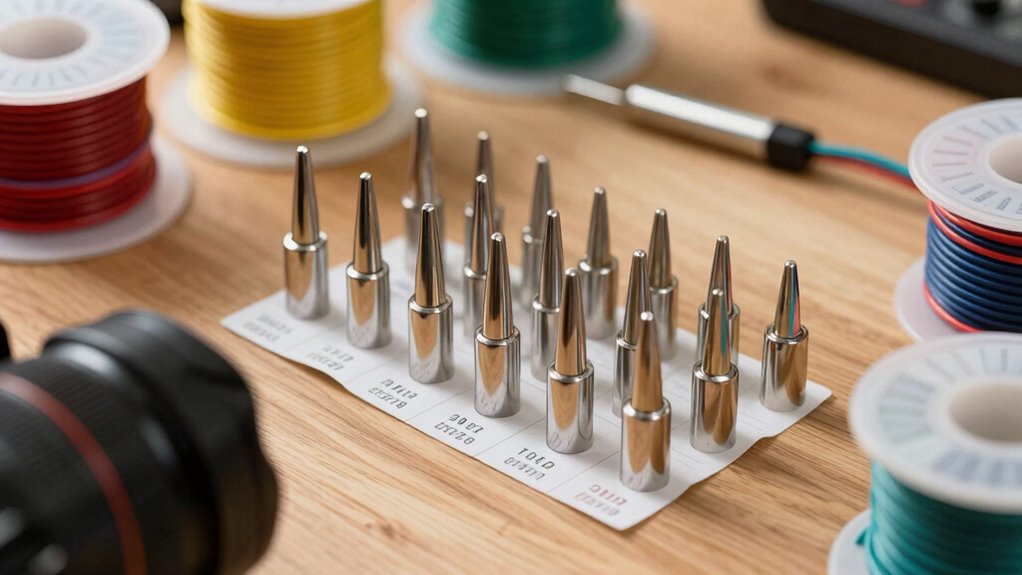
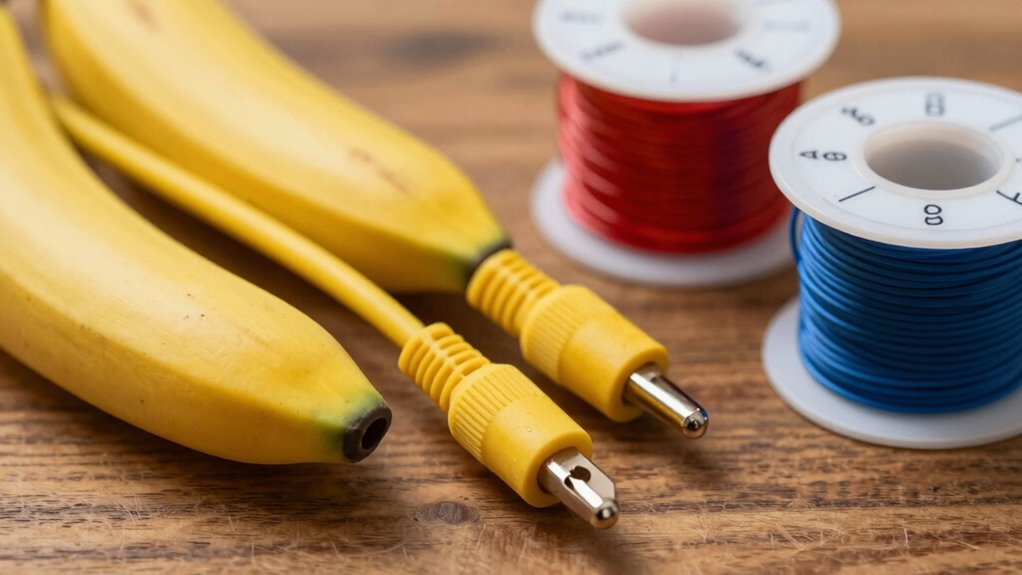
Setting up banana plugs, spools, and cable labels correctly is essential for a clean and efficient wiring system. When you’re working with banana plugs, understanding wire gauge is vital. The wire gauge determines the thickness of your wire, which impacts how well it fits into the banana plug and how securely it makes contact. Thicker wires, like 12 or 14 gauge, require compatible banana plugs designed to accommodate their size, ensuring a tight connection that minimizes resistance and signal loss. Conversely, thinner wires, such as 18 or 20 gauge, need smaller or appropriately rated banana plugs. Before connecting, always verify the wire gauge matches the plug specifications to prevent poor connections or damage.
Insulation types also play a significant role in your setup. Different cables come with various insulation materials—PVC, Teflon, rubber, or silicone—each offering distinct benefits like flexibility, heat resistance, or durability. When preparing your wires for banana plugs, strip the insulation carefully, leaving enough exposed conductor for a secure connection without risking short circuits. For instance, PVC-insulated wires are common and straightforward to work with, but if you’re using high-temperature insulation like Teflon, you might need specialized tools or techniques to strip and connect them properly. Ensuring the insulation is stripped cleanly and precisely helps maintain signal integrity and safety. Proper insulation stripping techniques are crucial to avoid damaging the wire or compromising safety.
Properly stripping insulation ensures secure connections, maintains signal quality, and enhances safety during wiring.
Cable labels are often overlooked but are essential for a neat, organized system. Proper labeling on your spools and wires helps you identify connections at a glance, especially in complex setups. Use durable, heat-resistant labels that can withstand environmental factors if your wiring runs in challenging conditions. When labeling, be consistent in your naming conventions and place labels close to the connection points, so you don’t get lost in a tangle of wires later. This practice saves time during troubleshooting, upgrades, or maintenance, preventing confusion and accidental disconnections. Additionally, understanding cable organization techniques can significantly improve the overall efficiency of your wiring system.
As you assemble your wiring, take the time to match wire gauge with the appropriate banana plugs, respect the insulation type for safe handling, and clearly label your cables. This attention to detail not only enhances safety but also ensures your system functions reliably over time. Proper setup minimizes loose connections, reduces noise and interference, and makes future modifications much easier. Remember, a methodical approach to wiring with the right tools and materials makes all the difference in creating a professional-looking, efficient, and safe electrical or audio system.
Products Worth Considering

Bose TV Speaker (2nd Gen) – Compact Soundbar with Bluetooth and HDMI‑ARC Connectivity, Clear Dialogue, Dolby Atmos, Deep Bass, Remote Contro

Bose TV Speaker Compact Soundbar with Bluetooth and HDMI-ARC, Black

Logitech MX Master 4 Ergonomic Wireless Mouse with Haptic Feedback, Graphite
As an affiliate, we earn on qualifying purchases.
Frequently Asked Questions
How Do I Choose the Right Size Banana Plug for My Equipment?
To choose the right size banana plug for your equipment, consider your cable gauge and connector compatibility. Match the banana plug size to your cable’s gauge to guarantee a secure fit and ideal performance. Check your equipment’s specifications to confirm connector compatibility, so the plug fits snugly without loose connections. This careful selection helps prevent signal loss and damage, ensuring your setup remains reliable and efficient.
What Materials Are Best for Durable Cable Labels?
For durable cable labels, choose weather-resistant materials like vinyl or polyester, which withstand moisture and UV exposure. Opt for labels with strong label adhesive to guarantee they stay put over time, even in demanding environments. These materials resist tearing, fading, and peeling, making them ideal for long-term use. By selecting labels with reliable adhesive and weather-resistant qualities, you ensure your cable organization remains clear and intact, no matter the conditions.
Can I Use Spools for Both Indoor and Outdoor Wiring?
Sure, you can use spools for both indoor and outdoor wiring, but don’t forget the irony—outdoor protection is essential! Spools alone aren’t enough for weather resistance, so make sure your spools are compatible with outdoor conditions, like UV-resistant or waterproof materials. Otherwise, your cables might suffer, and you’ll wish you’d invested in proper outdoor-rated solutions. Protect your wiring properly to avoid unnecessary headaches down the line.
How Often Should I Replace Damaged Banana Plugs or Labels?
You should replace damaged banana plugs or labels as soon as you notice any wear, tear, or corrosion. Regularly check for issues to maintain cable color coding and guarantee connector compatibility. Damaged plugs can cause signal loss or short circuits, so timely replacement keeps your setup safe and efficient. Don’t wait too long—prompt replacement helps prevent further damage and preserves the integrity of your wiring system.
Are There Safety Tips for Handling and Installing Cable Connectors?
Electrical safety is vital when handling and installing cable connectors. Always wear insulated gloves and use tools with proper insulation. Before connecting, guarantee proper grounding to prevent shocks. Keep your workspace dry and avoid working near water. Double-check connections for security, and turn off power before starting. Following these safety tips helps prevent accidents, protects your equipment, and assures a safe, efficient setup every time.
Conclusion
Mastering banana plugs, spools, and cable labels transforms your setup into a finely tuned symphony, where each component plays its part with precision. When you focus on these details, you’re weaving a tapestry of clarity and reliability, turning chaos into harmony. Like a skilled conductor guiding an orchestra, your careful setup ensures every connection sings in perfect unison, making your system not just functional, but a masterpiece of craftsmanship and care.