
When you fail to match your communication style and content to your audience’s needs, you make it harder for them to understand. Using technical jargon or oversimplified explanations forces listeners to work harder to follow along. This mismatch can lead to confusion, frustration, and disengagement. By not aligning your message with their background and expectations, you reduce clarity and connection. Keep going, and you’ll discover how adjusting your approach boosts engagement and makes your message stick.
Key Takeaways
- Using technical jargon when the audience lacks expertise causes confusion and increases their cognitive load.
- Oversimplifying complex topics makes the audience skeptical or bored, forcing them to mentally fill gaps.
- Ignoring audience background leads to disconnect, requiring listeners to work harder to interpret the message.
- Mismatched communication style causes fatigue, reducing engagement and attention span.
- Failing to adapt content and tone to audience expectations hampers understanding and retention.
Have you ever noticed how easily a conversation can go awry when speakers aren’t truly matched? It’s a common mistake that often leads to confusion, frustration, and disengagement. When you fail to connect with your audience’s level of understanding or interest, you inadvertently make your listeners work harder to grasp your message. This is the core of the speaker matching mistake—ignoring the importance of tailoring your delivery to your audience’s needs. Instead of fostering engagement, you risk creating a disconnect that hampers effective communication.
Audience engagement takes a hit when your message doesn’t align with your listeners’ expectations or familiarity with the topic. If you speak too technically for an audience unfamiliar with the subject, they get lost in jargon and details, which diminishes clarity and discourages participation. Conversely, oversimplifying complex ideas for an audience that craves depth can lead to boredom or skepticism. The key is to gauge your audience’s background, interests, and knowledge level and adjust your language, tone, and examples accordingly. This matching process makes your message more relatable, inviting your audience to actively participate rather than passively listen. Recognizing the importance of audience familiarity with content helps you tailor your approach more effectively. When your message resonates with their existing knowledge, you create a more meaningful and memorable experience.
Clarity improvement hinges on this alignment. When you’re tuned in to your listeners’ comprehension level, you communicate more clearly. You avoid unnecessary complexity or ambiguity that makes your message harder to understand. Instead, you use familiar language, relevant examples, and straightforward explanations that resonate with your audience’s experience. This not only makes your message more accessible but also helps your listeners retain information better. As a result, your communication becomes more effective, and your audience feels understood and valued. Additionally, understanding how your audience processes information allows you to adapt your message for maximum impact, ensuring that your communication is both clear and compelling. Recognizing the role of audience engagement in communication success helps you maintain their attention and foster a sense of connection throughout your message.
Failing to match your speaking style to your audience’s preferences can also cause fatigue. When listeners have to work harder to interpret your message, they become mentally exhausted, which shortens their attention span. You might notice their eyes glazing over or their disengagement increasing. By contrast, when you adapt your style to match their expectations, you foster a sense of connection and ease, making it more likely they will stay attentive and receptive. This creates a positive feedback loop—your audience is more engaged, your message is clearer, and your overall communication improves. Understanding your audience’s processing of information is crucial in avoiding this mistake.

Business Communication Essentials You Always Wanted To Know: Effective Communication Strategies, Audience Analysis, Tools, and Crisis Management for Success
As an affiliate, we earn on qualifying purchases.
As an affiliate, we earn on qualifying purchases.
Frequently Asked Questions
How Can I Identify if I’M Making This Mistake?
You can tell if you’re making this mistake by paying attention to non-verbal cues and feedback signals from your listeners. If they seem confused, distracted, or disengaged, you might not be matching your message to their needs. Notice their body language, facial expressions, or signs of understanding. When you adjust your tone or clarify based on these signals, you’re ensuring effective communication and avoiding unnecessary effort for your receivers.
Does This Mistake Affect All Types of Communication?
Yes, this mistake affects all types of communication. When you neglect contextual awareness and audience adaptation, your message becomes a tangled web, harder to follow, and less engaging. Your words may drift off course, like a ship without a compass, making it difficult for listeners to stay connected. To avoid this, focus on understanding your audience and adjusting your message accordingly, ensuring clarity and resonance in every interaction.
Are There Quick Ways to Improve My Speaker Matching Skills?
To improve your speaker matching skills quickly, focus on active listening and empathy building. Pay close attention to the speaker’s tone, pace, and choice of words, then mirror these subtly to create rapport. Practice paraphrasing what you hear to confirm understanding, and show genuine interest. Over time, these habits will make your responses more natural, reducing misunderstandings and making conversations smoother and more effective.
What Are Common Misconceptions About Speaker Matching?
A common misconception about speaker matching is believing it’s solely about tone or volume, but it’s actually about aligning your message with your audience’s engagement level and expectations. You might think matching tone means copying their style, but it’s more about maintaining tone consistency to build trust. When you focus on understanding your audience’s needs, you naturally adjust your delivery, making communication more effective and your message more impactful.
Can This Mistake Impact Team Collaboration Long-Term?
Imagine a boat with mismatched oars—your team struggles to move smoothly. This speaker matching mistake can indeed impact long-term collaboration, disrupting interpersonal dynamics and causing frustration. Over time, it erodes trust and hampers effective communication. To strengthen your leadership strategies, make certain your team’s communication styles align, fostering harmony and understanding. When everyone’s rowing together, your team sails forward with clarity and unity, avoiding the chaos of mismatched efforts.
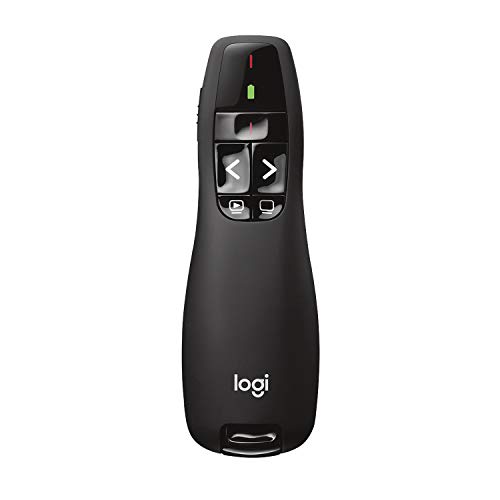
Logitech Wireless Presenter R400 USB A PowerPoint Clicker with Laser
Presenter mode, built-in Class 2 red laser pointer for presentations, intuitive touch-keys for easy slideshow control. AAA batteries…
As an affiliate, we earn on qualifying purchases.
As an affiliate, we earn on qualifying purchases.
Conclusion
So, next time you think matching your speaker to your receiver is just a technical detail, remember—it’s the mistake that makes everyone work harder. Ironically, what seems like a simple choice can turn into a silent struggle, draining energy and clarity. Sometimes, the easiest fix is the one we overlook, forcing your audience to do the heavy lifting. After all, isn’t it amusing how a tiny mismatch can turn a smooth talk into a demanding chore?

Introductions, Conclusions, and Visual Aids for public speaking
As an affiliate, we earn on qualifying purchases.
As an affiliate, we earn on qualifying purchases.

ZCYSRLQIN 36 Pcs Hand Clappers 7.5 Inch Plastic Clappers Noisemakers Party Favors Clapping Noise Maker Birthdays Game Prizes Classroom Rewards Football Sporting Events Cheers Supplies (Blue,White)
You Will Get: the package comes with a total of 36 hand clappers in blue and white color;…
As an affiliate, we earn on qualifying purchases.
As an affiliate, we earn on qualifying purchases.