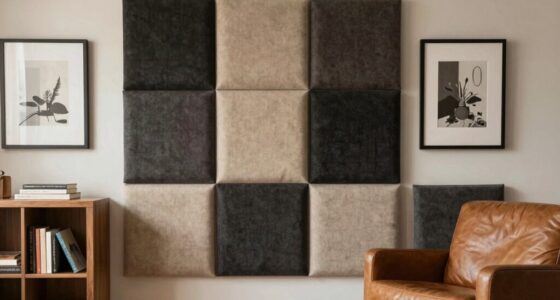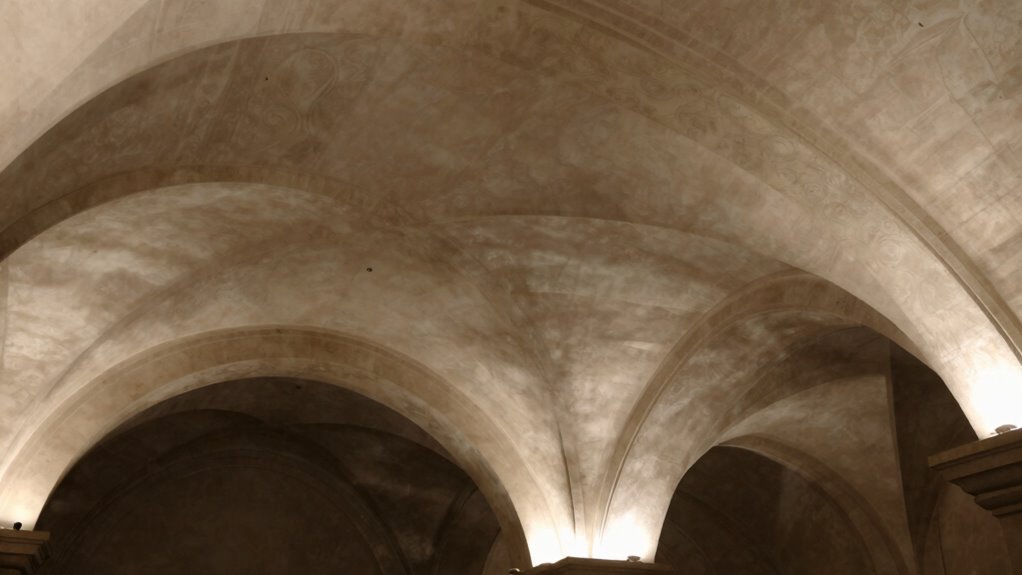

Your ceiling shape can greatly influence your space’s atmosphere by enhancing or hindering light and sound. Flat ceilings offer even lighting, while curved or vaulted designs create depth and dramatic effects. However, poorly chosen shapes may cause shadows, glare, or echoes, harming comfort. Thoughtfully designed ceilings balance aesthetics with acoustics and lighting, transforming your environment into something more inviting or striking. If you explore further, you’ll discover how specific shapes can truly elevate your space.

Get audio and creator gear delivered free with Prime
- Fast, free delivery on millions of items
- Prime Video, Amazon Music and more included
- Member-only deals all year
Key Takeaways
- Flat ceilings promote even lighting, enhancing clarity but may lack visual interest or atmospheric depth.
- Curved or vaulted ceilings create dramatic light diffusion and focal points that elevate ambiance.
- High or irregular ceiling shapes can cause echoes, negatively affecting sound quality and comfort.
- Textured or irregular ceilings improve sound diffusion, reducing echo and enhancing acoustic comfort.
- The choice of ceiling shape influences the room’s perceived size, mood, and overall atmosphere.
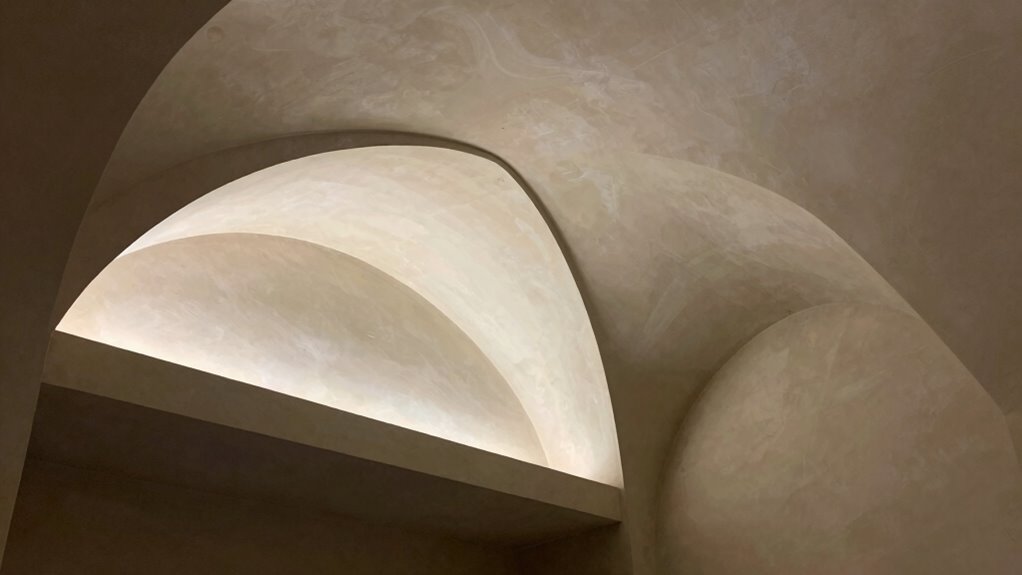
Have you ever wondered how ceiling shapes and atmospheric effects can transform a space? The shape of a ceiling isn’t just a matter of style; it plays a vital role in how a room feels and functions. When you consider ceiling design, you’re shaping the environment, influencing everything from lighting to sound. Thoughtful ceiling choices can create a sense of openness, intimacy, or drama, but the wrong shape can also hinder these effects.
Lighting design is one of the most immediate ways ceiling shape influences atmosphere. A flat ceiling provides a straightforward canvas for lighting fixtures, making it easier to evenly illuminate a space. But when you introduce complex or curved ceiling shapes, you open up new possibilities. For example, vaulted or coffered ceilings can direct and diffuse light in unique ways, adding depth and highlighting architectural details. Conversely, poorly chosen shapes can cast unwanted shadows or create glare, diminishing the room’s ambiance. If you want to achieve a warm, inviting glow, understanding how ceiling contours interact with your lighting plan is essential. Properly integrated lighting design can emphasize the ceiling’s architectural features, making the room feel larger, cozier, or more dramatic depending on your goals.
Acoustic optimization is another key factor affected by ceiling shape. The inappropriate design can make a room echoey and uncomfortable, while a thoughtful shape can absorb and diffuse sound effectively. For instance, high, vaulted ceilings often create acoustic challenges, amplifying echoes and making speech hard to hear. But by incorporating sound-absorbing materials or designing ceiling contours that break up sound waves, you can improve clarity and comfort. Drop ceilings with textured surfaces or irregular shapes help scatter sound waves, reducing echo and enhancing acoustic quality. If your goal is a concert hall or conference room, you’ll want to focus on ceiling shapes that optimize sound distribution. Additionally, the aesthetic appeal of the ceiling shape can complement the overall design, creating harmony between form and function. Recognizing the role of ceiling shape in atmosphere effects and sound management can guide you in making choices that enhance both sound and visual harmony, especially in spaces where ambiance is crucial. Understanding how different design principles influence the interplay of light and sound can help you craft a cohesive environment. Moreover, considering the material choices for ceiling surfaces can significantly impact both acoustic and aesthetic outcomes.
Ultimately, your choice of ceiling shape should serve your atmosphere goals. It’s a balancing act—enhancing lighting design and acoustic optimization without sacrificing aesthetic appeal. When you understand how different shapes influence light and sound, you can craft a space that feels right for its purpose. Whether you aim for grandeur, coziness, or clarity, the ceiling is a powerful tool. When used intentionally, the right shape transforms a simple room into a compelling environment, elevating the atmosphere and enriching the experience for everyone inside.
As an affiliate, we earn on qualifying purchases.
Frequently Asked Questions
Can Ceiling Shape Influence Sound Acoustics in a Room?
Yes, ceiling shape directly influences sound acoustics in a room. A curved ceiling, like a ceiling curvature, can help diffuse sound evenly, reducing echoes and dead spots. Conversely, flat ceilings may cause sound to bounce excessively. You can also add acoustic panels to improve sound quality further, especially in rooms with challenging shapes. Combining ceiling curvature with acoustic panels creates a balanced environment, enhancing clarity and overall acoustic performance.
Are Certain Ceiling Shapes Better for Energy Efficiency?
Yes, some ceiling shapes can make your energy bills skyrocket or plummet. High ceilings, especially in grand architectural styles, trap heat like a giant cozy blanket, making cooling a challenge in summer. Conversely, lower, well-designed ceilings can boost energy efficiency by reducing heat loss or gain. So, picking the right ceiling shape and height isn’t just about looks—it’s a game-changer for saving energy and keeping your home comfy year-round.
How Does Ceiling Shape Affect Natural Light Distribution?
Your ceiling shape greatly impacts natural light distribution. Higher ceilings allow more light to spread evenly, creating a brighter space. The shape also influences light reflection; curved or vaulted ceilings reflect light differently than flat ones, enhancing illumination. By choosing a ceiling height and shape that optimize reflection, you can maximize natural light, making your space feel more open and airy while reducing the need for artificial lighting during the day.
Can Ceiling Design Impact Perceived Room Size?
Your ceiling design can markedly impact how large or small a room feels. Incorporate decorative accents like vaulted or coffered ceilings to create ceiling illusions that add depth and height, making the space seem bigger. Conversely, flat, low ceilings might make a room feel more confined. By choosing the right ceiling shape, you can enhance the perceived room size and create a more open, inviting atmosphere.
What Materials Work Best With Specific Ceiling Shapes?
You’ll find that plaster and wood work beautifully with decorative molding on traditional, curved ceilings, enhancing durability and elegance. For modern, sleek shapes like vaulted or tray ceilings, sturdy drywall with reinforced joints offers lasting strength. Don’t worry about maintenance—these materials resist cracking and warping over time. Visualize your space transformed by selecting materials that complement your ceiling shape, creating a harmonious, durable atmosphere that elevates your room’s style.
curved ceiling lighting fixtures
As an affiliate, we earn on qualifying purchases.
As an affiliate, we earn on qualifying purchases.
Conclusion
Remember, the shape of your ceiling isn’t just about aesthetics—it’s the silent conductor of atmosphere, shaping feelings and perceptions. Like a carefully chosen melody, a well-designed ceiling can elevate a space or mute its impact. So, when you plan your next room, consider how your ceiling’s form can sing or silence the ambiance. Ultimately, it’s not just a feature—it’s the invisible hand guiding the mood, reminding you that sometimes, the smallest details hold the greatest power.
As an affiliate, we earn on qualifying purchases.
As an affiliate, we earn on qualifying purchases.
Halloween Picks
halloween
As an affiliate, we earn on qualifying purchases.