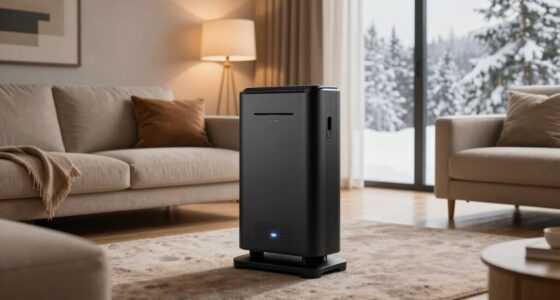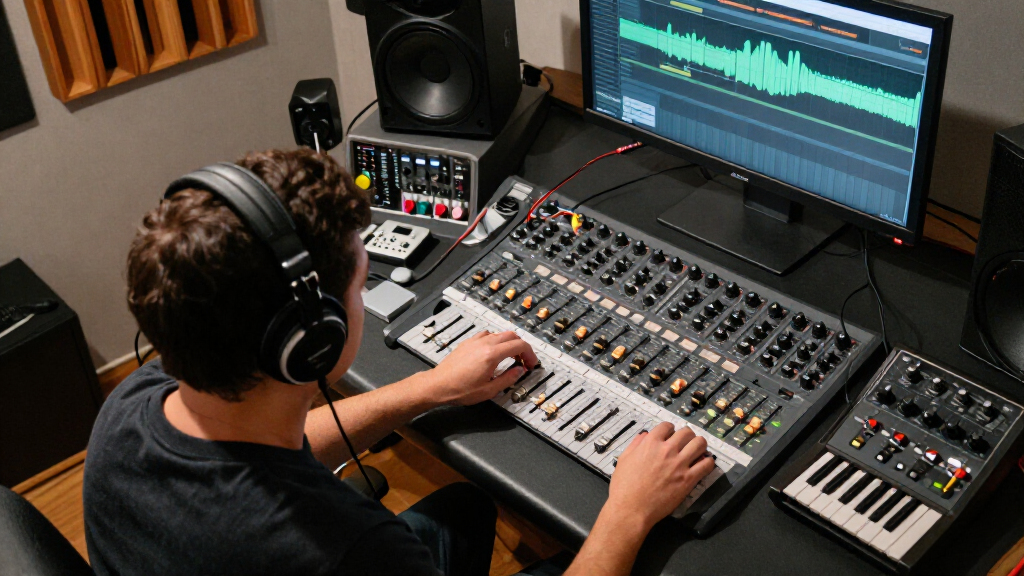
Wireless headphones for music production can make composing and editing more flexible, but Bluetooth latency and sound tuning matter when you need dependable monitoring. My best overall pick is the Audio-Technica ATH-M50xBT2 for its familiar studio-monitoring approach and wireless convenience. The Sennheiser HDB 630 stands out for listeners seeking a more premium wireless setup, while the OneOdio A70 offers a practical, lower-cost route into wireless listening. The main tradeoff is that wireless freedom does not automatically mean low latency or a mix-ready frequency response. Read on for the full breakdown, including a wired option for sessions where timing takes priority.

Get audio and creator gear delivered free with Prime
- Fast, free delivery on millions of items
- Prime Video, Amazon Music and more included
- Member-only deals all year
Complete the kit


Key Takeaways
- The ATH-M50xBT2 is the most balanced pick: it combines a studio-oriented design with Bluetooth convenience, though critical mix decisions still call for wired monitoring and reference checks.
- The Sennheiser HDB 630 is the premium wireless choice: its included BTD 700 adapter makes it a more complete wireless package, but a higher-end feature set does not erase Bluetooth monitoring limitations.
- The OneOdio A70 favors flexibility and value: its wireless-and-wired approach suits casual production and practice, while buyers seeking the most dependable mix translation may prefer the Audio-Technica models.
- The ATH-M20xBTWH is the straightforward beginner option: it gives newcomers a simpler entry point than the more feature-rich M50xBT2, with fewer reasons to pay for advanced functionality.
- The lineup includes one deliberate exception: the wired OneOdio Pro-10 is not wireless, but it may suit latency-sensitive tracking better than any Bluetooth model here.
| Sennheiser HDB 630 Wireless Headphones with BTD 700 Bluetooth Adapter, Lunar Silver |  | Best for Detailed Wireless Listening | Fit: Over-ear | Driver: 42 mm dynamic | Wireless codecs: aptX HD, aptX Adaptive | VIEW LATEST PRICE | See Our Full Breakdown |
| OneOdio A70 Wireless Over-Ear Headphones |  | Best Value for Wired Studio Compatibility | Fit: Over-ear | Drivers: 40 mm neodymium | Wireless playback: Up to 72 hours | VIEW LATEST PRICE | See Our Full Breakdown |
| Audio-Technica ATH-M50xBT2 Wireless Over-Ear Headphones, Black |  | Best Overall for Studio-to-Wireless Flexibility | Fit: Over-ear | Driver size: 45 mm | Battery life: Up to 50 hours | VIEW LATEST PRICE | See Our Full Breakdown |
| Audio-Technica ATH-M20xBTWH Wireless Over-Ear Headphones with Mic, White |  | Best for Long, Casual Production Sessions | Fit: Over-ear | Driver size: 40 mm | Battery life: Up to 60 hours | VIEW LATEST PRICE | See Our Full Breakdown |
| AIAIAI TMA-2 Move Wireless Over-Ear Headphones, White |  | Best Modular Pick for Portable Producers | Fit: Over-ear | Driver type: Dynamic | Connectivity: Bluetooth 5.3 and 3.5 mm audio | VIEW LATEST PRICE | See Our Full Breakdown |
| OneOdio Pro-10 Wired Over-Ear DJ Headphones, Black |  | Best for Wired Studio Monitoring | Type: Wired over-ear headphones | Driver size: 50 mm | Driver type: Dynamic | VIEW LATEST PRICE | See Our Full Breakdown |
| wireless headphones for music production | Fit | Battery life | Driver size |
|---|---|---|---|
| Sennheiser HDB 630 Wireless He | Over-ear | Up to 60 hours | — |
| OneOdio A70 Wireless Over-Ear | Over-ear | — | — |
| Audio-Technica ATH-M50xBT2 Wir | Over-ear | Up to 50 hours | 45 mm |
| Audio-Technica ATH-M20xBTWH Wi | Over-ear | Up to 60 hours | 40 mm |
| AIAIAI TMA-2 Move Wireless Ove | Over-ear | Up to 40 hours | — |
| OneOdio Pro-10 Wired Over-Ear | — | — | 50 mm |
More Details on Our Top Picks
Sennheiser HDB 630 Wireless Headphones with BTD 700 Bluetooth Adapter, Lunar Silver
The HDB 630 is the most feature-rich choice here for producers who want to check mixes over wireless headphones without giving up fine sound adjustments. Its USB-C audio supports up to 24-bit/96 kHz, while a parametric EQ lets you tailor the response for different listening checks. The included Bluetooth adapter and aptX support add flexibility, though wireless listening should still be treated as a secondary reference rather than a substitute for studio monitors or wired headphones.
Compared with the more straightforward Audio-Technica ATH-M50xBT2, the Sennheiser offers more explicit high-resolution connectivity and EQ control, but its listed 470-ohm impedance makes the wired-drive details worth checking against your equipment. The listed 30 ms latency also makes it a poor choice for timing-critical recording or monitoring. Adaptive noise cancellation and long battery life suit focused listening away from the studio, but add-ons and features matter less if you work entirely wired.
Pros:- USB-C audio supports up to 24-bit/96 kHz listening
- Parametric EQ offers detailed sound customization
- Adaptive ANC and transparency mode suit changing environments
- Up to 60 hours of battery life with fast charging
Cons:- Listed 30 ms audio latency is unsuitable for timing-sensitive monitoring
- Listed 470-ohm impedance may limit compatibility with some headphone outputs
- Wireless codecs and EQ do not replace a dependable wired reference for final mix decisions
Best for: Producers who want adjustable, detailed wireless playback for mix checks, reference listening, and work away from a fixed studio setup
Not ideal for: Musicians monitoring live recording or tracking to a click, since the listed 30 ms latency can be distracting; also a poor fit for buyers who need a simple, strictly wired studio headphone
- Fit:Over-ear
- Driver:42 mm dynamic
- Wireless codecs:aptX HD, aptX Adaptive
- USB-C audio:Up to 24-bit/96 kHz
- Impedance:470 ohm
- Audio latency:30 ms
- Battery life:Up to 60 hours
- Noise control:Adaptive ANC and transparency mode
Our verdict“Choose the HDB 630 for adjustable, high-resolution wireless listening and mix checks, not for latency-sensitive recording.”
OneOdio A70 Wireless Over-Ear Headphones
The A70 makes the most sense for a producer who wants wireless convenience but expects to connect directly to studio gear much of the time. Its included 3.5 mm and 6.35 mm cables cover common consumer and studio headphone outputs, while Bluetooth is useful for casual reference listening between sessions. That wired flexibility is a practical advantage over the Audio-Technica ATH-M20xBTWH, which includes a shorter 1.2 m cable and lists fewer connection details.
Still, the A70’s feature list gives less reason to trust it for critical tonal judgments than the Sennheiser HDB 630, which offers parametric EQ and high-resolution USB-C audio. The OneOdio’s 40 mm drivers and foldable build are suited to general listening and portable use, but no frequency-response tuning or latency figure is supplied here. Its up to 72-hour wireless battery life is generous, though that figure applies to Bluetooth playback, not wired work. Treat it as a versatile workbench pair, not a precision mixing reference.
Pros:- Includes both 3.5 mm and 6.35 mm audio cables
- Can be used wired or for up to 72 hours of wireless playback
- Foldable, rotatable design is easier to pack and store
- Audio sharing can connect an additional pair of headphones
Cons:- No latency figure or detailed sound-customization feature is specified
- Wireless battery-life claim applies to Bluetooth playback
- The general-purpose tuning is less clearly suited to precise mix evaluation than the HDB 630
Best for: Home-studio beginners who need a single headphone for wired interfaces, Bluetooth playback, and occasional sharing
Not ideal for: Mix engineers seeking documented low latency, adjustable reference tuning, or detailed specifications for critical tonal decisions
- Fit:Over-ear
- Drivers:40 mm neodymium
- Wireless playback:Up to 72 hours
- Wired connectors:3.5 mm and 6.35 mm
- Microphone:Built-in HD microphone with noise reduction
- Design:Foldable and rotatable
- Weight:8.96 ounces
- Warranty:24 months
Our verdict“Pick the A70 if you want flexible wired connections and long-lasting Bluetooth playback more than specialized mixing features.”
Audio-Technica ATH-M50xBT2 Wireless Over-Ear Headphones, Black
The ATH-M50xBT2 earns the broadest role in this group because it combines a familiar studio-oriented format with wireless features that help between sessions. Its 45 mm drivers and dedicated amplifier are described as delivering clear sound with deep, accurate bass, giving producers a more purposeful listening profile than the bass-enhanced ATH-M20xBTWH. A supplied 1.2 m audio cable also gives you a wired option when you want to avoid Bluetooth during editing or monitoring.
Against the Sennheiser HDB 630, this Audio-Technica has a simpler feature set: it lacks the listed high-resolution USB-C audio and parametric EQ, but offers multipoint pairing and up to 50 hours of battery life. Low-latency mode may help with synced playback, though the data does not provide a latency figure, so I would not treat it as a guarantee for recording. App-based EQ adds flexibility, but adjustments depend on the A-T Connect app. It is the balanced pick for producers who need one adaptable pair, not a dedicated final-mix reference.
Pros:- 45 mm drivers and a dedicated amplifier are specified for clear sound and deep bass
- Includes a 1.2 m cable for wired listening
- Multipoint Bluetooth connects to two devices
- Up to 50 hours of battery life with rapid charging
Cons:- Full battery charge takes 3.5 hours
- Custom EQ requires the A-T Connect app
- Low-latency mode is listed without a specific latency figure
Best for: Producers who want a studio-style wireless headphone for casual mix checks, editing, and switching between a computer and phone
Not ideal for: Buyers who need documented high-resolution USB-C playback, a parametric EQ built into the product description, or specified latency for recording
- Fit:Over-ear
- Driver size:45 mm
- Battery life:Up to 50 hours
- Bluetooth pairing:Multipoint; connects to two devices
- Microphones:Dual microphones with beamforming
- Charging connector:USB-C
- Included audio cable:1.2 m
- Rapid charging:10-minute charge provides up to 3 hours of use
Our verdict“Choose the ATH-M50xBT2 for a versatile studio-style headphone that handles wireless listening and wired sessions without the HDB 630’s advanced EQ and USB-C audio features.”
Audio-Technica ATH-M20xBTWH Wireless Over-Ear Headphones with Mic, White
The ATH-M20xBTWH is aimed at producers who value dependable everyday listening and long battery life over detailed mix customization. Its up to 60 hours of playback and USB-C rapid charging reduce interruptions during extended workdays, while the included cable lets you switch to wired listening when Bluetooth is not appropriate. Compared with the ATH-M50xBT2, this model offers a longer stated battery life but a smaller 40 mm driver and an explicitly enhanced-bass tuning that may make it less suitable for judging bass balance.
Multipoint pairing is handy if you move between a computer and phone, and low-latency mode is useful for synced media playback. However, no latency measurement is provided, so I would still choose a wired connection for recording and timing-sensitive work. The included 1.2 m cable may also be restrictive at a desk, depending on where your interface sits. This is a practical wireless listening option, but the HDB 630 is the stronger pick when adjustable response and high-resolution USB-C audio matter more than battery endurance.
Pros:- Up to 60 hours of battery life
- Rapid charging provides up to 3 hours of use from a 10-minute charge
- Multipoint pairing connects to two devices
- Includes a cable for optional wired listening
Cons:- Enhanced-bass tuning may complicate accurate low-frequency mix checks
- Included wired cable is only 1.2 m long
- Low-latency mode is listed without a measured latency specification
Best for: Producers who want a straightforward wireless pair for long editing days, reference playback, and switching between two Bluetooth devices
Not ideal for: Mixers who need neutral bass judgment, a longer desk cable, or a specified latency figure for recording and close monitoring
- Fit:Over-ear
- Driver size:40 mm
- Battery life:Up to 60 hours
- Charging connector:USB-C
- Rapid charging:10-minute charge provides up to 3 hours of use
- Pairing:Multipoint with two devices
- Audio features:Low-latency mode and enhanced bass
- Included cable:1.2 m
Our verdict“Choose the ATH-M20xBTWH for long wireless listening and everyday production tasks, but use a more neutral reference for final bass decisions.”
AIAIAI TMA-2 Move Wireless Over-Ear Headphones, White
The TMA-2 Move stands apart through its modular construction: replaceable or upgradeable parts can make more sense for a producer who travels, works in different spaces, or wants a headphone that can be maintained over time. At 225 g, it is lighter than many over-ear options, and its memory foam cushions plus passive isolation suit focused listening without adding active noise cancellation. App-based sound customization offers more tailoring than the ATH-M20xBTWH’s listed enhanced-bass feature.
Its main drawback for production is that the advertised ultra-low-latency W+ Link requires a separate X03 transmitter. Bluetooth alone is not a dependable choice for recording or tight synchronization, and this model has no active noise cancellation to mask a noisy workspace. Compared with the Sennheiser HDB 630, the TMA-2 Move is more serviceable and lighter, but offers less battery life and no listed high-resolution USB-C audio. It suits portable reference listening, not buyers seeking a ready-to-go wireless monitoring system.
Pros:- Modular design allows parts to be replaced or upgraded
- Light 225 g build and memory foam cushions support portable use
- App-based sound customization provides tuning flexibility
- Up to 40 hours of wireless playback
Cons:- W+ Link ultra-low-latency connectivity requires a separate X03 transmitter
- Passive isolation does not provide active noise cancellation
- Battery life is shorter than the HDB 630 and ATH-M20xBTWH
Best for: Mobile producers who value a lightweight fit, customizable sound, and replaceable parts for long-term ownership
Not ideal for: Studio users who need low-latency wireless monitoring out of the box, active noise cancellation, or long battery life beyond 40 hours
- Fit:Over-ear
- Driver type:Dynamic
- Connectivity:Bluetooth 5.3 and 3.5 mm audio
- Battery life:Up to 40 hours
- Impedance:32 ohm
- Weight:225 g
- Noise control:Passive noise isolation
- Special features:Modular design, app-based sound customization, optional W+ Link via X03 transmitter
Our verdict“Pick the TMA-2 Move for lightweight, customizable listening and modular upkeep, but budget for the separate transmitter if low-latency wireless matters.”
OneOdio Pro-10 Wired Over-Ear DJ Headphones, Black
The OneOdio Pro-10 earns a place here as a wired alternative for producers who value a direct connection over wireless convenience. Its 50 mm dynamic drivers and 32-ohm impedance suit headphone output from many common audio devices, while the 3.5 mm and 6.35 mm connections offer flexibility with different jacks. Unlike the wireless Audio-Technica ATH-M50xBT2, it has no wireless mode, so it avoids relying on Bluetooth when you want a cable connection—but it also requires a compatible headphone jack and limits movement.
The 90° swiveling ear cups are useful for single-ear cueing, and the shared audio port lets another listener connect. Padded cushions and an adjustable headband support longer sessions, though the listed 415 g weight may feel substantial over time. Its DJ-oriented conveniences make it more suited to tracking and cueing than to buyers seeking a wireless-first setup.
Pros:- 50 mm dynamic drivers with neodymium magnets
- 90° swiveling ear cups support single-ear monitoring
- Includes both 3.5 mm and 6.35 mm audio connections
- Shared audio port allows another pair of headphones to connect
Cons:- Wired-only operation offers no wireless listening option
- Requires a device with a compatible 3.5 mm or 6.35 mm jack
- At 415 g, it may feel heavy during extended sessions
Best for: Producers and DJs who monitor from a device with a 3.5 mm or 6.35 mm headphone jack and want single-ear cueing or shared listening.
Not ideal for: Producers who need wireless freedom, work with devices lacking a headphone jack, or prioritize a lighter headset for long sessions.
- Type:Wired over-ear headphones
- Driver size:50 mm
- Driver type:Dynamic
- Audio impedance:32 ohm
- Audio connections:3.5 mm and 6.35 mm
- Ear cup rotation:90°
- Item weight:415 g
- Warranty:2 years
Our verdict“Choose the Pro-10 if you want a jack-connected, DJ-style monitoring option with single-ear cueing; skip it if wireless operation is a requirement.”
How We Picked
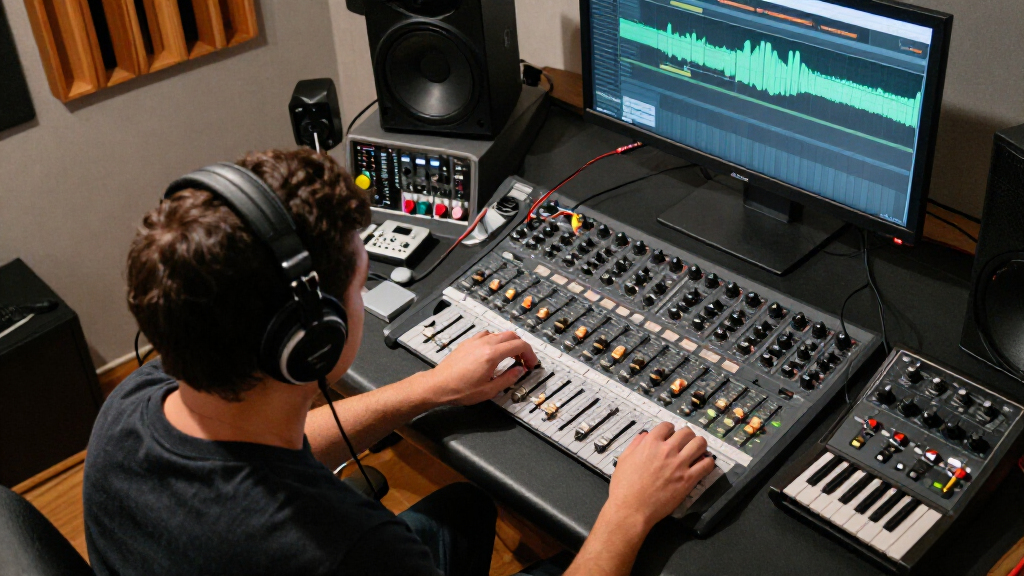
I ranked these headphones around the actual demands of music production: predictable monitoring, comfort during long sessions, connection flexibility, and how practical each model is across editing, practice, and everyday listening. I gave more weight to a useful wired mode and a studio-oriented sound than to wireless features alone, since Bluetooth delay can disrupt recording and tight timing work.
The order reflects role and tradeoffs, not a claim that wireless headphones replace studio monitors or wired reference headphones. The ATH-M50xBT2 leads as the strongest balance for this use, with the HDB 630 placed as the premium wireless alternative and the A70 as the value-focused choice. The M20xBTWH is aimed at beginners, the TMA-2 Move suits buyers prioritizing a distinct portable wireless workflow, and the Pro-10 appears as a wired alternative for those who value timing over cable-free use.
| wireless headphones for music production | Battery life |
|---|---|
| Sennheiser HDB 630 Wireless He | Up to 60 hours |
| OneOdio A70 Wireless Over-Ear | — |
| Audio-Technica ATH-M50xBT2 Wir | Up to 50 hours |
| Audio-Technica ATH-M20xBTWH Wi | Up to 60 hours |
| AIAIAI TMA-2 Move Wireless Ove | Up to 40 hours |
| OneOdio Pro-10 Wired Over-Ear | — |
Factors to Consider When Choosing Wireless Headphones For Music Production
Choosing headphones for production means deciding where wireless convenience helps and where it can get in the way. I would start with your session type, then judge sound, latency, fit, and connectivity against that workflow rather than treating Bluetooth as the main measure of quality.
Match Wireless Use to the Stage of Your Workflow
Wireless headphones are most useful for composing, arranging, editing, and listening away from a desk. They are less dependable for recording vocals or playing software instruments, where Bluetooth delay can make performance feel disconnected from the sound. A wired mode can help, but check whether the headphone works passively or still needs power and whether its sound changes between modes. A common mistake is assuming that a Bluetooth adapter removes every source of latency; it can improve compatibility or codec support without making every computer and application behave identically. Keep a wired monitoring option ready for timing-sensitive work, even if wireless is your everyday preference.
Treat Sound Tuning as a Translation Tool
Headphones with a studio-monitoring focus can make balance decisions easier, but no headphone gives a complete picture of how a mix will sound on speakers, earbuds, or a car system. Bass emphasis can tempt you to reduce low end, while softened treble may lead you to add too much brightness. Before committing to a mix, compare familiar reference tracks at a consistent listening level and check key choices on another playback system. Do not equate a detailed or enjoyable sound with a neutral one. If your work is mainly casual production or beat sketching, convenience may matter more than strict neutrality; for final mix decisions, build in additional references.
Check Latency and Connection Details Before Buying
Bluetooth performance depends on the headphone, transmitter, computer, software, and codec support working together. A bundled adapter can simplify the connection, but it does not guarantee that your production software will report or compensate for latency as you expect. Look for a dependable wired connection if you record or monitor instruments in real time, and check whether the cable is included and replaceable. Wireless codecs can matter for playback quality, yet they do not fix delayed monitoring by themselves. Match the connection to your main device before choosing a model based on wireless specifications alone.
Prioritize Fit and Repairability for Long Sessions
Clamp force, ear-cup depth, weight, and heat buildup often matter more after an hour than they do in a quick product comparison. If you wear glasses or work in long blocks, comfort can affect concentration and how often you take breaks. Replaceable cables and serviceable pads can extend a headphone’s useful life, while an unusual part size may make upkeep harder. Detachable cables also reduce the risk that one damaged lead makes the whole headphone unusable. Treat fit as a personal requirement: if possible, check the return policy and try the headphones with your usual glasses before settling on them.
Decide What You Need Beyond Monitoring
Some buyers need a single pair for calls, commuting, and music work; others need headphones mainly for a quiet production room. A microphone and simple controls can make an everyday pair more versatile, but those additions should not outweigh monitoring needs if the headphones are for mixing. Closed-back designs help limit sound leakage into microphones, though they can feel warmer and more enclosed. Folding hinges and compact storage help mobile producers, while a sturdy, replaceable cable may be more useful in a fixed studio. Choose the extras you will use regularly rather than paying attention to a feature list as a whole.
Set a Clear Boundary for Mixing Decisions
Even a capable wireless headphone is best treated as one monitoring reference, not the final judge of a mix. Room acoustics, headphone fit, hearing differences, and playback level all affect what you perceive. Use headphones to catch edits, noise, stereo placement, and detail, then cross-check tonal balance on speakers or a second trusted pair when possible. New producers often spend too much time searching for one perfect headphone instead of learning how their current monitoring translates. If you are choosing between a premium wireless model and a dependable wired setup, prioritize the tool that supports your most frequent production task.
Frequently Asked Questions
Can I mix a finished track using Bluetooth headphones?
You can make rough balance and editing decisions over Bluetooth, but delay and device-specific processing make it a risky sole reference for final work. Latency is especially disruptive when recording or playing software instruments, while tonal balance can vary with headphone tuning and playback settings. Use a wired connection where available for timing-sensitive sessions, then check finished mixes on speakers or another familiar system. Bluetooth headphones can still be useful for checking how a track sounds during everyday listening. Treat them as one perspective rather than the final authority.
Is the included BTD 700 adapter a reason to choose the HDB 630?
The included adapter makes the HDB 630 a more ready-to-use wireless package for compatible devices and can simplify the connection compared with sourcing a separate transmitter. Its value depends on whether your computer or production setup supports the adapter and whether your software handles the resulting delay well. It does not turn Bluetooth into a guaranteed low-latency monitoring path. If you mostly edit, arrange, and listen, the adapter may make the premium option more appealing. If you record live input, prioritize a reliable wired route instead.
Should I choose the ATH-M50xBT2 or the less advanced ATH-M20xBTWH as a first production headphone?
The M20xBTWH is a sensible starting point if you want a simpler wireless headphone for learning, sketching, and general listening. The M50xBT2 is the stronger fit if you expect to use headphones more heavily for editing and want a more studio-oriented option with broader appeal beyond beginner practice. Neither removes the need to check mixes on other systems, and neither makes Bluetooth ideal for live monitoring. Think about how often you will use the headphones and whether extra flexibility matters to your sessions. A beginner who records instruments regularly may benefit more from a wired monitoring setup than from moving up within a wireless line.
Why include the wired OneOdio Pro-10 in a wireless headphone roundup?
The Pro-10 offers a useful comparison for producers who discover that timing matters more than cable-free movement in their main sessions. A wired DJ-style headphone avoids Bluetooth delay, which can make tracking and live instrument monitoring easier to manage. It does not meet the wireless brief, so it is not the pick for someone who needs untethered listening around a room. Its place here reflects a practical tradeoff: wireless convenience is not always the best production tool. Choose it only if you are open to a cable in exchange for direct monitoring.
Do I need a separate pair of wired headphones if I buy one of these wireless models?
Not always: a wireless model with a suitable wired mode may cover both casual listening and many production tasks. The key is confirming that the wired connection works the way your setup needs, including whether the headphone can operate without battery power and whether its response changes in that mode. If you record vocals, play virtual instruments, or monitor live input, a dedicated wired option can avoid Bluetooth delay and simplify troubleshooting. If your work is mostly arranging and editing, one versatile pair may be enough to start. Make the decision based on your sessions, not on the assumption that every wireless headphone behaves identically when cabled.
Conclusion
For most producers who want a single wireless-leaning choice, I recommend the Audio-Technica ATH-M50xBT2 as the best overall balance of studio intent and everyday flexibility. The OneOdio A70 is my best value-style pick for buyers who want a practical wireless-and-wired option, while the Sennheiser HDB 630 is the best premium choice for a more complete wireless setup with its included adapter. Beginners can start with the ATH-M20xBTWH if they want a simpler entry point; producers who prioritize portability and a distinct wireless workflow may prefer the AIAIAI TMA-2 Move. For tracking or other latency-sensitive work, the wired OneOdio Pro-10 is the specific-use alternative. If your priority is final mix accuracy, keep a wired reference and cross-check your work regardless of which wireless model you choose.