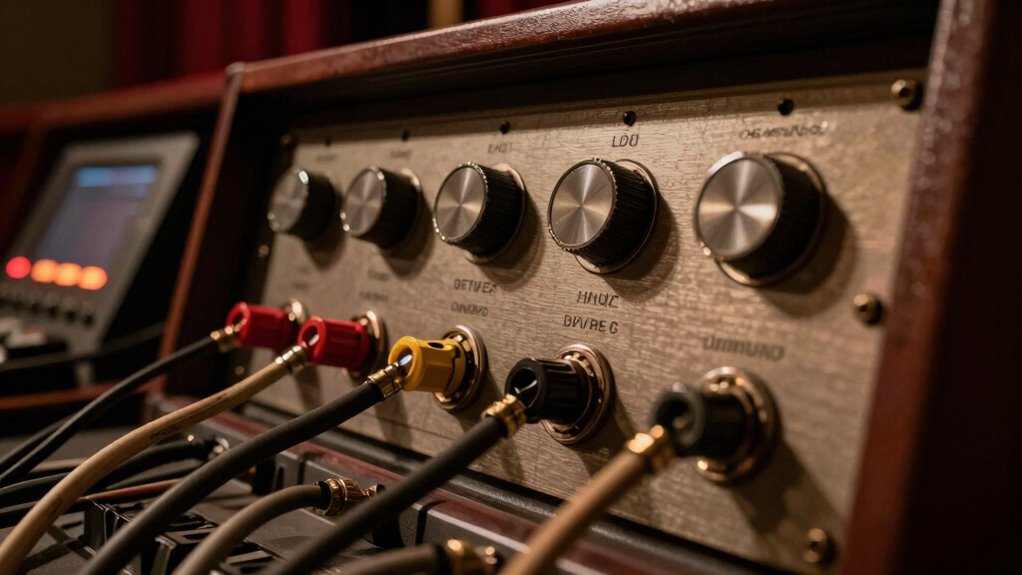

You might prefer analog audio outputs because they deliver pure, unaltered sound with exceptional fidelity and stability. Analog connections are straightforward and reliable, minimizing interference or digital artifacts that can affect quality. Many theater owners stick with analog to maintain compatibility with existing equipment and avoid costly upgrades. Knowing the key differences can help you make the best choice for your sound setup, and there’s more to discover if you want to optimize your system further.

Get audio and creator gear delivered free with Prime
- Fast, free delivery on millions of items
- Prime Video, Amazon Music and more included
- Member-only deals all year
Key Takeaways
- Analog outputs provide pure, uncompressed sound quality preferred by audio purists and for high-fidelity experiences.
- They offer stable, interference-free connections, reducing technical issues during performances or screenings.
- Analog systems are simple to use, minimizing setup complexity and troubleshooting needs.
- Many theaters maintain legacy infrastructure, making analog compatible and cost-effective without major upgrades.
- Understanding analog’s reliability and sound integrity helps theater owners make informed audio system decisions.
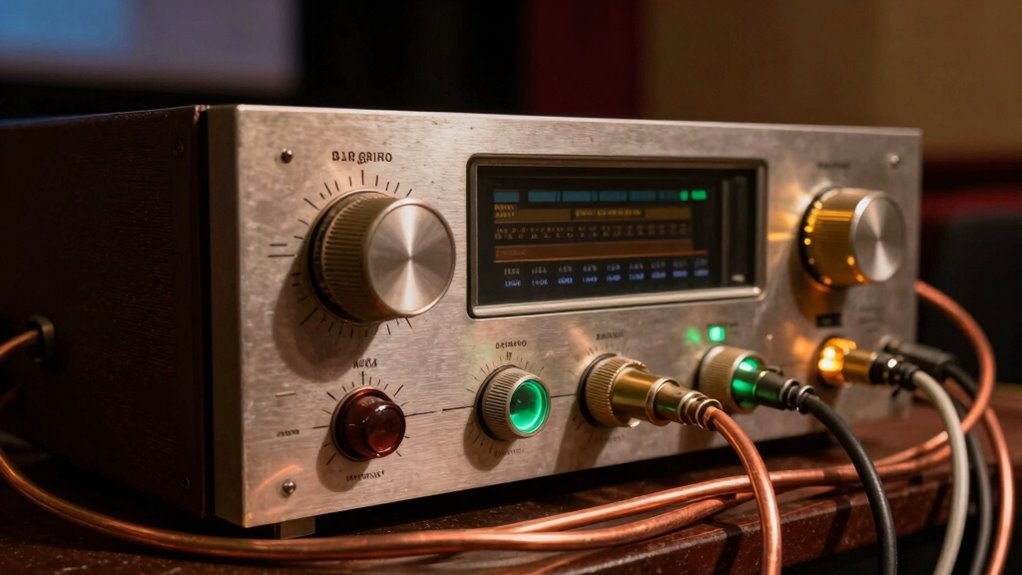
Despite the rise of digital audio technology, analog audio outputs continue to play an essential role in high-quality sound experiences. As a theater owner, you understand that every element contributing to great sound matters, and in many cases, analog connections still provide advantages over their digital counterparts. While digital compression can save space and streamline signals, it often introduces a level of data loss that affects sound fidelity. Analog outputs, on the other hand, deliver a pure, unaltered signal, maintaining the richness and depth that purists crave. This is especially true in environments where sound quality is paramount, and patrons expect an immersive experience.
Analog audio outputs provide pure, unaltered sound quality essential for immersive theater experiences.
Wireless transmission, while convenient, can sometimes compromise sound quality due to interference, latency, or signal degradation. When you’re aiming for the clearest, most accurate audio, relying on analog outputs guarantees a direct, stable connection that minimizes these issues. Unlike digital wireless transmission, which depends on compression algorithms to transmit signals over the air, analog signals are immune to such digital artifacts. This means fewer dropouts or distortions, leading to a more consistent experience that your audience will notice and appreciate.
Many theater owners stick with analog because they value the simplicity and reliability it offers. Digital systems, though advanced, require ongoing updates, troubleshooting, and sometimes complex calibration to prevent issues like latency or synchronization errors. Analog outputs sidestep these problems entirely, providing a straightforward, plug-and-play solution that reduces technical hiccups during performances or screenings. Plus, in settings where multiple audio components are used, analog connections simplify signal routing without the need for extensive digital interface management.
Additionally, some owners prefer analog because it aligns with their existing infrastructure and legacy equipment. Upgrading to digital-only systems can be costly and sometimes unnecessary if the current setup already produces excellent sound quality. Maintaining analog outputs preserves the authenticity of the original audio signals, ensuring the sound remains true to the source, which is especially critical for film and theater productions seeking to preserve artistic integrity. Furthermore, understanding the fundamental differences between analog and digital audio can help theater owners make informed decisions about their sound systems. Recognizing the dominance of digital in modern audio technology highlights the importance of preserving options like analog for specific high-fidelity applications.
analog audio output cables for theater
As an affiliate, we earn on qualifying purchases.
As an affiliate, we earn on qualifying purchases.
Frequently Asked Questions
Can Analog Audio Outputs Be Integrated With Modern Digital Sound Systems?
Yes, you can integrate analog audio outputs with modern digital sound systems. Vintage equipment often uses analog outputs, and with the right adapters or interfaces, you can connect these to digital systems. This helps maintain signal integrity, ensuring high-quality sound. Many theater owners prefer this setup because it preserves classic audio characteristics while seamlessly blending with advanced digital technology, offering a balanced mix of nostalgia and modern performance.
What Are the Cost Differences Between Analog and Digital Audio Equipment?
You’ll find that analog audio equipment generally costs less upfront than digital systems, especially for vintage gear that appeals to analog nostalgia. While digital setups can be pricier due to advanced features, maintaining analog gear can be more affordable over time, thanks to simpler technology and readily available parts. If you value classic sound quality and vintage equipment, sticking with analog can save you money while preserving that authentic audio experience.
How Do Analog Outputs Impact Overall Sound Quality in Theaters?
Analog outputs deliver a vintage warmth that digital can’t quite replicate, impacting overall sound quality in theaters. You might prefer this richer, more natural tone, especially for cinematic experiences. While digital offers clarity and precision, analog’s character adds a nostalgic charm, making the audio feel more immersive. Your audience’s user preference for these subtle nuances keeps analog outputs relevant, preserving a classic, authentic sound that digital struggles to match.
Are There Any Compatibility Issues With Existing Theater Audio Setups?
You might face compatibility issues with vintage equipment and legacy connections when integrating analog audio outputs into modern theater setups. Older amplifiers and legacy connections may not seamlessly connect with digital systems, causing potential sound quality or synchronization problems. To guarantee smooth operation, you need adapters or converters that bridge these gaps. Being aware of these compatibility challenges helps you maintain audio quality and avoid costly upgrades or adjustments.
What Is the Future Outlook for Analog Audio Technology in Cinemas?
You see vintage equipment and feel a nostalgic appeal, and that’s why analog audio technology still has a future in cinemas. While digital systems dominate, some theater owners embrace the warm, authentic sound of analog outputs, like a favorite old record spinning. As long as there’s a desire for that rich, nostalgic experience, analog audio will continue to hold a special place, blending tradition with modern cinema.
high fidelity analog audio interface
As an affiliate, we earn on qualifying purchases.
As an affiliate, we earn on qualifying purchases.
Conclusion
Even as digital signals dominate, analog audio outputs remain a steadfast heartbeat of authentic cinema experience. They symbolize a bridge to tradition, a reminder that some nuances can’t be fully captured by pixels alone. For theater owners, holding onto analog is like preserving a treasured melody amid the digital symphony—an homage to craftsmanship and the pure, soulful essence of sound. Sometimes, embracing the old keeps the magic alive, resonating deeper than any modern upgrade ever could.
analog audio splitter for theater systems
As an affiliate, we earn on qualifying purchases.
As an affiliate, we earn on qualifying purchases.
legacy audio equipment connectors
As an affiliate, we earn on qualifying purchases.
As an affiliate, we earn on qualifying purchases.
Fall Picks
fall essentials
As an affiliate, we earn on qualifying purchases.