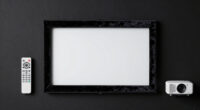
Your screen’s surface texture plays a vital role in 4K sharpness by influencing how light interacts with the display. Matte finishes diffuse ambient light, reducing glare but softening image details, while glossy screens enhance vibrancy but can cause reflections that obscure sharpness. The texture determines how accurately colors are reproduced and how well the display maintains clarity from different angles. Keep exploring to discover more about how texture impacts overall display quality and viewing experience.
Open a free Amazon Business account
Business pricing, bulk buying and tax-exempt orders.
As an affiliate, we earn on qualifying purchases.
Key Takeaways
- Surface finish type (matte or glossy) influences light diffusion, affecting perceived sharpness.
- Glossy screens enhance vibrancy but can introduce glare, reducing clarity in bright environments.
- Matte textures diffuse ambient light evenly, supporting consistent sharpness across viewing angles.
- Surface reflections and uneven diffusion can distort fine details and color accuracy.
- Advances in surface technology aim to balance glare reduction with maintaining 4K image sharpness.
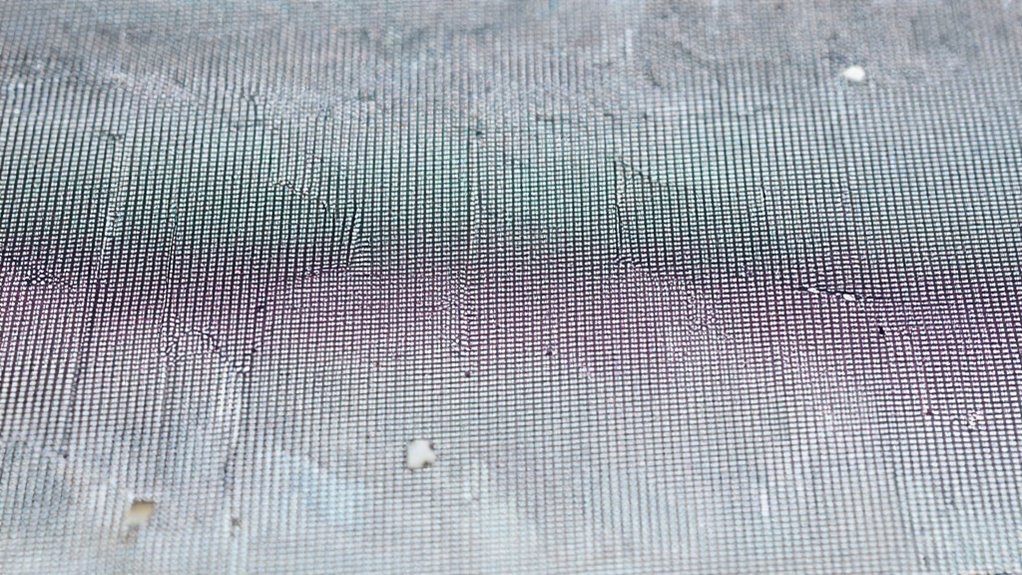
When it comes to enjoying 4K displays, the texture of the screen plays a crucial role in your viewing experience. The surface finish, whether matte or glossy, influences how light interacts with the display, affecting both image clarity and perceived sharpness. A glossy screen often enhances the vibrancy and sharpness of 4K images, making details pop with vivid colors and crisp edges. However, it’s more susceptible to reflections and glare, which can diminish the overall quality of your viewing, especially in well-lit environments. Conversely, matte screens diffuse ambient light, reducing reflections but sometimes softening the image, which can slightly diminish the perceived sharpness of 4K content. Your choice depends on your environment and preference, but understanding how screen texture impacts sharpness helps you make a better decision. Additionally, the screen surface finish can influence how well the display maintains clarity under different lighting conditions, further affecting your viewing experience. Color accuracy is another critical aspect influenced by screen texture. A smooth, well-calibrated surface allows for more precise color reproduction, ensuring that the hues you see are true to the source material. When the screen texture causes uneven light diffusion or introduces surface reflections, it can distort colors or make them seem less vibrant. This distortion can mask the fine details that 4K displays are designed to deliver, reducing the overall sharpness of the image. Therefore, a screen with a texture that maintains consistent light transmission and minimal interference is essential for achieving best Color accuracy and, consequently, sharper images. Viewing angles are also affected by the screen’s surface texture. If you tend to watch from different positions, you need a screen that preserves image quality no matter your angle. Some textures, especially matte finishes, tend to diffuse light more evenly, helping maintain consistent color and contrast across wider viewing angles. This prevents color shifts and contrast loss that can occur on screens with certain textures, ensuring that the 4K sharpness remains intact regardless of where you’re seated. On the other hand, glossy screens often have narrower ideal viewing angles, with image quality deteriorating quickly when viewed from the side, which can blur fine details and reduce perceived sharpness. Moreover, advancements in screen texture technology continually aim to balance glare reduction with image clarity, enhancing overall viewing quality.
matte screen protector for 4K monitors
As an affiliate, we earn on qualifying purchases.
As an affiliate, we earn on qualifying purchases.
Frequently Asked Questions
How Does Screen Texture Influence Overall Color Accuracy?
Screen texture impacts color accuracy by influencing how light interacts with your display, affecting color calibration. A smoother texture allows for more precise color reproduction, while rough or uneven textures can distort colors and reduce clarity. Texture enhancement tools can help optimize this, ensuring you get true-to-life colors. By fine-tuning your screen’s texture, you improve overall color accuracy, making images look more vibrant and consistent across different viewing angles.
Can Screen Texture Impact Viewing Angles?
Your viewing angle can be dramatically affected by screen texture, making it feel like you’re peering through a foggy window. A textured surface scatters light unevenly, causing glare and reducing clarity when you’re off-center. Surface reflection interacts with this texture, further distorting colors and contrast as your angle shifts. To enjoy consistent picture quality, opt for screens with smoother textures that minimize reflection and provide wider, clearer viewing angles.
What Role Does Screen Coating Play in Sharpness?
Screen coating directly influences sharpness by enhancing image clarity and reducing glare. A high-quality coating improves screen durability, protecting against scratches and smudges, which helps maintain sharp visuals over time. During the manufacturing process, coatings are carefully applied to maximize clarity without sacrificing durability. This balance ensures your display remains crisp and vibrant, especially in 4K resolution, providing a better viewing experience even after extended use.
Does Screen Texture Affect OLED and LCD Differently?
While screen texture subtly influences visual clarity, it affects OLED and LCD displays differently due to their distinctive manufacturing processes. You might notice that textured screens can enhance durability and reduce reflections, but they may slightly soften images. With OLEDs, the texture’s impact on sharpness is often more pronounced because of their self-emitting pixels. Conversely, LCDs’ layers can mask texture effects, maintaining perceived sharpness despite surface variations.
How Can I Test My Screen’s Texture Quality at Home?
To test your screen’s texture quality at home, start with a thorough screen cleaning to remove dust and fingerprints. Then, perform a texture comparison by viewing high-contrast images or fine details, checking for uneven sharpness or glare. Notice how different areas reflect light or feel when gently touched. These steps help reveal texture inconsistencies that might affect 4K sharpness, ensuring your display looks its best.
glossy screen protector for 4K displays
As an affiliate, we earn on qualifying purchases.
As an affiliate, we earn on qualifying purchases.
Conclusion
As you gaze at a 4K screen, imagine the smoothness of glass versus the roughness of textured fabric beneath your fingertips. The screen’s surface detail subtly shapes your viewing experience—either sharpening images or softening edges. Just as a polished mirror reflects clarity, a finely textured screen enhances sharpness, yet too much roughness can blur details like fog over a mountain peak. Ultimately, your choice of texture crafts the crispness or softness you see, shaping your visual journey.
anti-glare screen film for 4K TVs
As an affiliate, we earn on qualifying purchases.
As an affiliate, we earn on qualifying purchases.
screen surface protector for high-resolution monitors
As an affiliate, we earn on qualifying purchases.
As an affiliate, we earn on qualifying purchases.
NFL season / tailgating Picks
team gear
As an affiliate, we earn on qualifying purchases.





![2026 Emmy Awards Winners Revealed [Updating Live]](https://beamandbass.com/wp-content/uploads/2026/09/2026-emmy-awards-winners-revealed-updating-live-featured-260x140.jpg)