
Understanding the difference between soundproofing and acoustic treatment helps you make smarter choices and save money. Soundproofing blocks noise from entering or leaving a space, while acoustic treatment improves how sound behaves inside a room. Confusing these can lead to wasting money on ineffective methods. If you want to get the most out of your budget and create a better environment, the key lies in choosing the right approach for your specific needs. Learn how to do it right.
Key Takeaways
- Soundproofing blocks external noise, while acoustic treatment improves internal sound quality; confusing both leads to ineffective spending.
- Using thick barriers or foam panels alone doesn’t guarantee noise reduction or sound clarity without proper application.
- Prioritize soundproofing for external noise issues and acoustic treatment for internal sound quality to avoid unnecessary costs.
- Properly understanding material properties and installation methods ensures solutions are effective and budget-friendly.
- Combining soundproofing and acoustic treatment tailored to your space maximizes results and prevents money-wasting mistakes.
Top picks for "soundproof acoustic treatment"
Open Amazon search results for this keyword.
As an affiliate, we earn on qualifying purchases.
Understanding the Core Differences Between Soundproofing and Acoustic Treatment
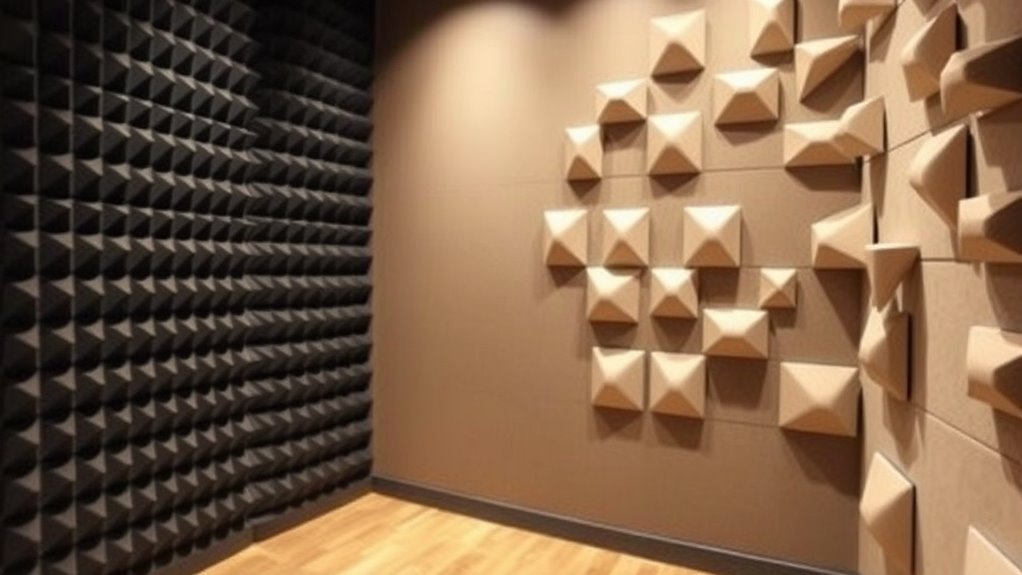
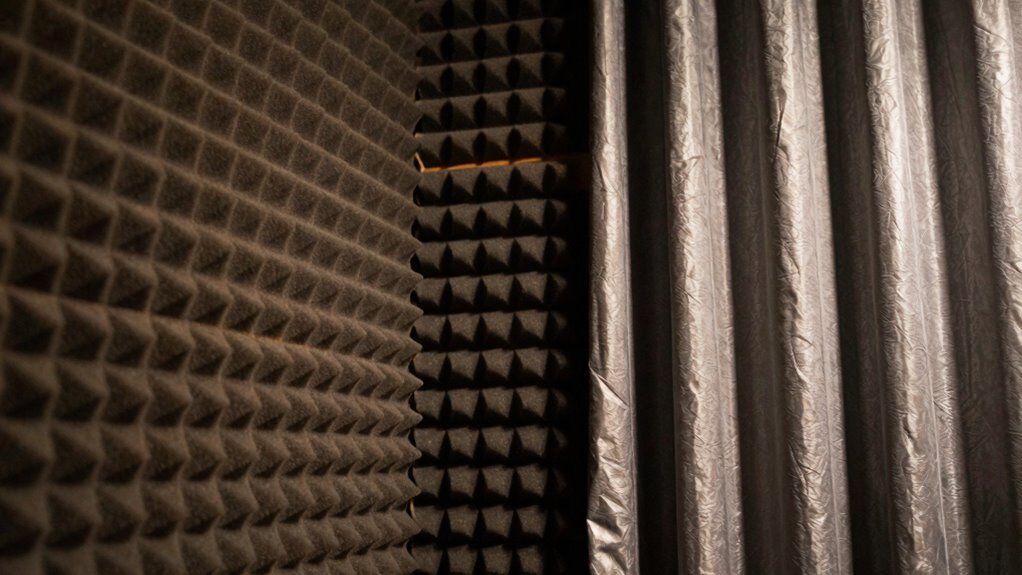
While soundproofing and acoustic treatment both improve the acoustic environment, they serve different purposes. Soundproofing aims to block noise from entering or leaving a space, focusing on preventing sound transfer through walls, doors, or windows. It’s about creating a barrier that isolates your room from external sounds or keeps noise inside from escaping. Acoustic treatment, on the other hand, improves sound quality within a space by controlling reflections, echoes, and reverberation. It involves adding panels, diffusers, or bass traps to make the sound more balanced and clear. Proper installation of soundproofing materials is crucial for achieving effective noise isolation. Understanding this difference helps you choose the right approach for your needs. If you’re trying to prevent noise from bothering neighbors, soundproofing is key. But if you want to improve your listening or recording environment, focus on acoustic treatment. Additionally, using specialized materials can enhance either method depending on your specific goals. For optimal results, consider how room acoustics influence your project. Recognizing the thermal behavior of materials can also help you select solutions that are both effective and durable. Moreover, considering the material properties can influence how well a solution performs over time and under different conditions.
Common Misconceptions That Lead to Costly Mistakes
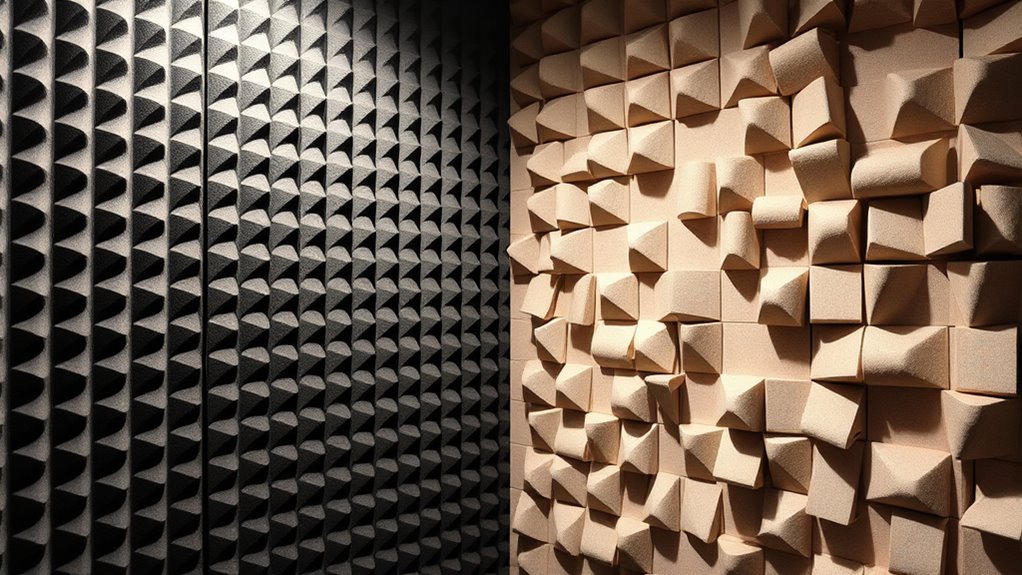
Many people make costly mistakes by misunderstanding what soundproofing and acoustic treatment can actually do. They often assume that installing thick barriers or foam panels will solve all their noise issues, but that’s not always true. Soundproofing mainly prevents sound from entering or escaping a space, while acoustic treatment improves sound quality within it. Confusing the two leads to unnecessary expenses on materials that won’t address the real problem. For example, adding mass won’t block airborne noise if you need better internal sound clarity. Conversely, treating echoes inside a room won’t stop neighbors’ noise from seeping in. Knowing the specific purpose of each approach helps you avoid wasting money on ineffective solutions. Clarifying this distinction is key to making smarter investments in your space. Understanding the difference between soundproofing and acoustic treatment ensures you choose the right method for your needs. Additionally, recognizing the material properties that influence effectiveness can help you select appropriate solutions from the start. For instance, selecting the right sound absorption materials is crucial for targeting specific acoustic issues. To maximize your setup’s effectiveness, it’s important to consider how installation techniques can impact overall performance, whether for soundproofing or acoustic treatment. When considering projectors or home theater setups, understanding how acoustic treatment can improve overall sound clarity can significantly enhance your viewing experience.
When to Prioritize Soundproofing for Your Space
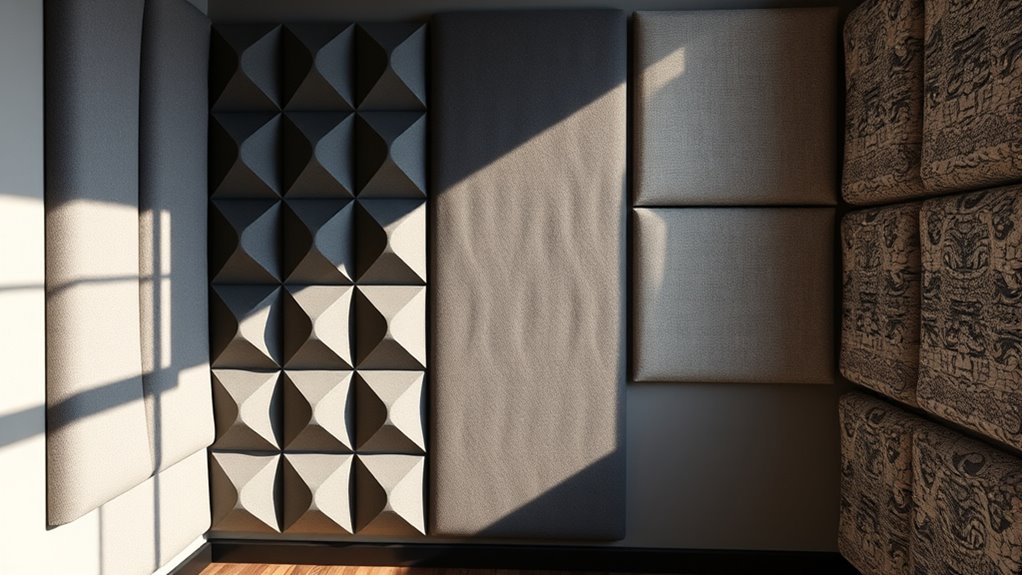
You should prioritize soundproofing when your main goal is to block noise from entering or leaving a space, especially if you’re dealing with noisy neighbors, street sounds, or shared walls. It’s essential when noise impacts your peace, work, or sleep. Consider these situations:
- You’re disturbed by loud neighbors that disrupt your daily life.
- Street traffic or sirens interrupt your focus or rest.
- You share walls with a loud household and need quiet boundaries.
- You’re recording audio or practicing instruments without disturbing others.
- Ventilation and airflow can also influence the effectiveness of soundproofing measures, so proper planning is important. Additionally, understanding the difference between soundproofing and acoustic treatment can help you choose the most cost-effective solutions for your needs. Knowing how building structure interacts with sound can further enhance your soundproofing efforts. Properly managing air gaps and leaks is crucial for maximizing noise reduction effectiveness. When planning your soundproofing projects, considering building insulation can significantly improve overall noise reduction.
In these cases, investing in soundproofing helps create a sanctuary of calm, prevents noise pollution, and preserves your privacy—making your space truly your own.
Enhancing Sound Quality With Acoustic Treatment Strategies
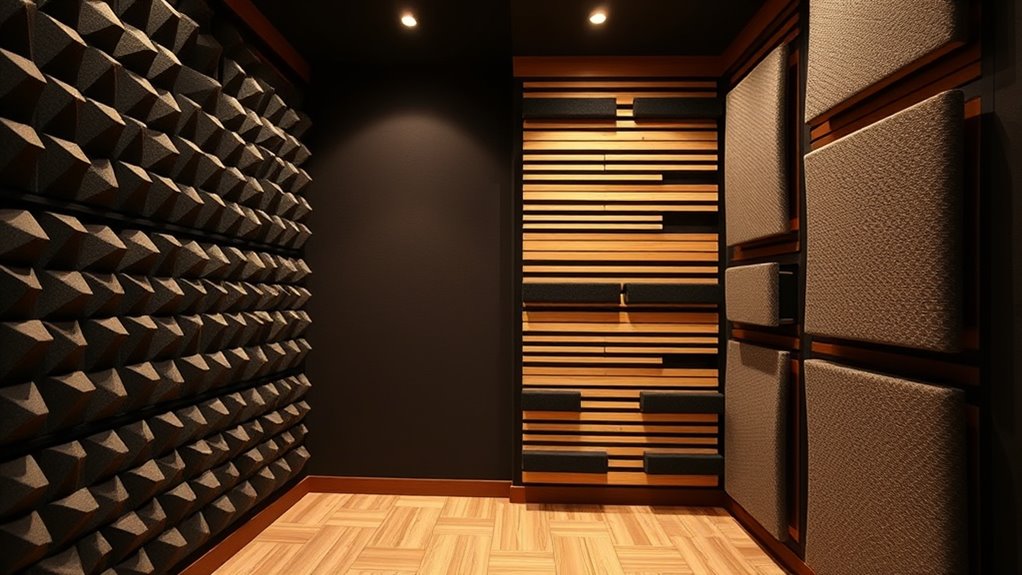
Improving sound quality within a space involves strategic acoustic treatments that control sound reflections, echoes, and reverberations. You can achieve this by adding absorptive materials like foam panels or diffusers that scatter sound waves, preventing harsh echoes. Position these treatments at reflection points—such as behind speakers or on side walls—to optimize their effectiveness. Using bass traps in corners helps manage low-frequency buildup, ensuring a balanced sound. Additionally, soft furnishings like rugs, curtains, and upholstered furniture absorb excess sound energy, creating a warmer, clearer environment. The goal is to shape the acoustics to suit your space’s purpose, whether for recording, mixing, or casual listening. Proper treatment reduces unwanted reflections, enhances clarity, and provides a more accurate listening experience. Incorporating local automation or voice-controlled devices can further tailor sound environments, especially for accessibility or comfort needs.
Choosing the Right Solutions Based on Your Specific Needs
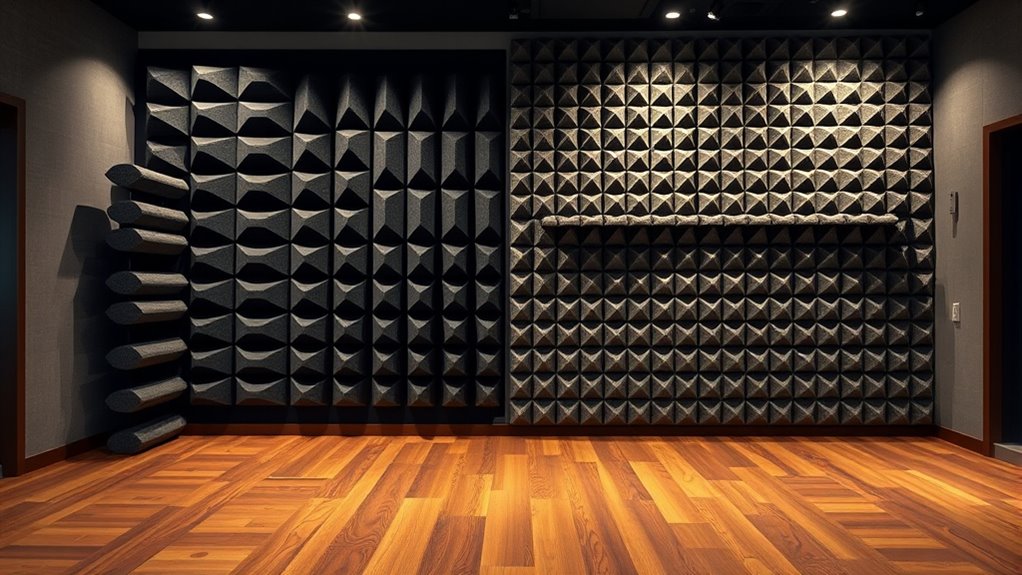
Choosing the right acoustic solutions depends on understanding your specific space and listening goals. First, assess whether your priority is blocking external noise or improving room acoustics. Next, consider your budget—are you willing to invest in high-end treatments or prefer simpler fixes? Third, identify the room’s purpose—are you recording, practicing, or just enjoying music? Finally, evaluate the space layout and available surfaces, as this influences your options. For example, understanding sound transmission can help you select appropriate barriers or insulation materials. Additionally, knowing the different types of soundproofing materials, such as mass-loaded vinyl or acoustic barriers, can enhance your effectiveness in reducing noise leaks. Considering soundproofing materials with specific properties can optimize your setup for different acoustic challenges. Here are key steps to guide your decision: 1. Focus on soundproofing if noise leakage is your main concern. 2. Prioritize acoustic treatment for better sound clarity indoors. 3. Combine solutions for a tailored approach. 4. Regularly reassess your needs as your space evolves. 5. Understanding piercing materials and jewelry, such as titanium or surgical steel, can be useful if you plan to incorporate soundproofing elements with body piercings to prevent irritation or infection. Recognizing soundproofing techniques can also help you implement more effective strategies for your space.
Frequently Asked Questions
Can Soundproofing and Acoustic Treatment Be Combined Effectively?
Yes, you can combine soundproofing and acoustic treatment effectively. Soundproofing blocks noise from entering or leaving a space, while acoustic treatment improves sound quality inside. To do this efficiently, start with soundproofing to minimize external noise, then add acoustic panels and diffusers for better sound within. This approach guarantees you reduce unwanted sound and achieve a clearer, more balanced listening or recording environment without wasting money.
How Long Does It Typically Take to See Results From Acoustic Treatments?
You’ll usually notice improvements in your room’s acoustics within a few days to a week after installing acoustic treatments. However, for ideal results, give it about two weeks to fully settle. During this time, your ears will adapt, and you’ll better perceive the changes. Remember, the effectiveness depends on the number and placement of treatments, so be patient and adjust as needed for the best sound quality.
Are DIY Solutions Sufficient for Professional-Grade Soundproofing?
DIY solutions can be effective for basic soundproofing, but they often fall short of professional-grade results. If you’re aiming for maximum soundproofing, investing in professional materials and installation is essential. You might save money initially, but DIY methods may not block noise as effectively or last as long. For critical spaces like recording studios or home theaters, hiring experts guarantees you get the best soundproofing, saving you money and frustration in the long run.
What Are the Long-Term Maintenance Costs for Acoustic Treatments?
Think of acoustic treatments as a garden that needs regular tending. Over time, dust and dirt can accumulate, so you’ll need to clean or replace panels periodically. Maintenance costs are generally low—mostly involving cleaning, minor repairs, or replacing worn materials. With proper upkeep, your sound environment stays ideal, ensuring your investment pays off long-term without hefty expenses. Regular check-ins keep your space sounding crisp and professional.
Do Climate Conditions Affect the Performance of Soundproofing Materials?
Yes, climate conditions can affect the performance of soundproofing materials. If you live in a humid or wet environment, moisture can cause materials like foam or insulation to degrade, mold, or lose effectiveness over time. Extreme temperatures can also impact their structural integrity. To guarantee peak performance, you should choose climate-resistant materials and consider additional protective barriers, especially in areas with high humidity or temperature fluctuations.
Conclusion
Understanding the difference between soundproofing and acoustic treatment can save you money and improve your space. Did you know that improperly investing in the wrong solution wastes up to 40% of your budget? By identifying your needs—whether blocking noise or enhancing sound quality—you’ll make smarter choices. Don’t let misconceptions drain your resources; choose the right strategy and enjoy a more comfortable, acoustically optimized environment.