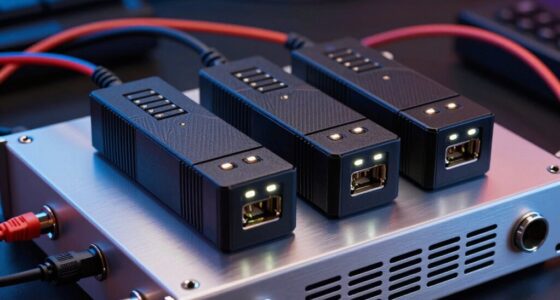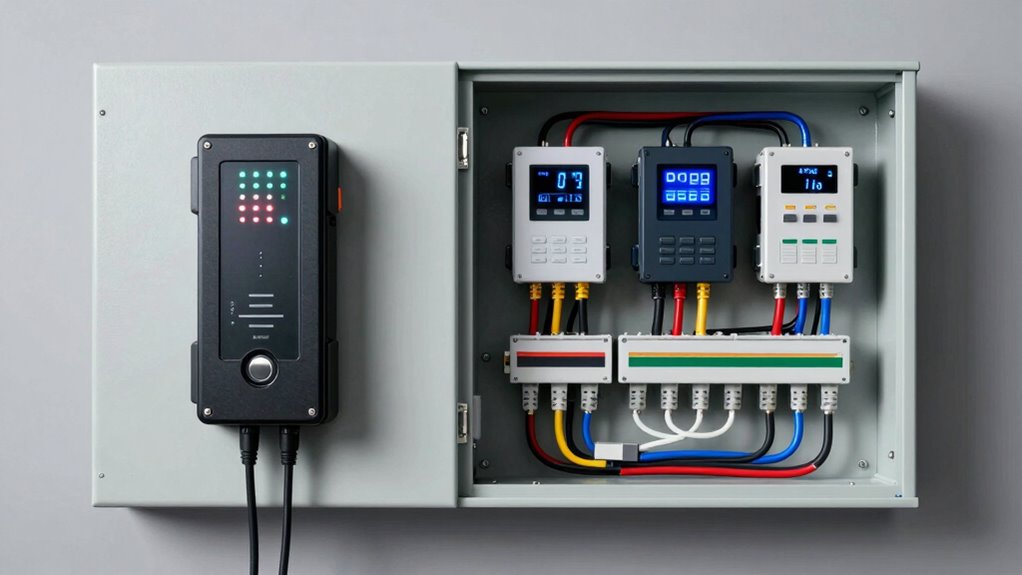

Surge protection shields your devices from sudden voltage spikes caused by lightning or faults, preventing immediate damage. Real power management, on the other hand, optimizes energy use and stabilizes power flow over time, ensuring devices run efficiently and last longer. While surge protectors guard against short-term hazards, power management focuses on ongoing performance and stability. To learn how combining both can give you complete protection, keep exploring these strategies further.

Get audio and creator gear delivered free with Prime
- Fast, free delivery on millions of items
- Prime Video, Amazon Music and more included
- Member-only deals all year
Key Takeaways
- Surge protection defends against sudden voltage spikes, while power management ensures stable, consistent power flow over time.
- Surge protectors divert brief, high-voltage surges; power management systems optimize ongoing energy use and voltage stability.
- Surge protection prevents immediate damage; power management extends device lifespan through long-term voltage regulation.
- Surge protectors are essential for unpredictable, short-term voltage events; power management addresses continuous power quality issues.
- Combining both offers comprehensive protection, safeguarding devices from both sudden surges and ongoing power fluctuations.
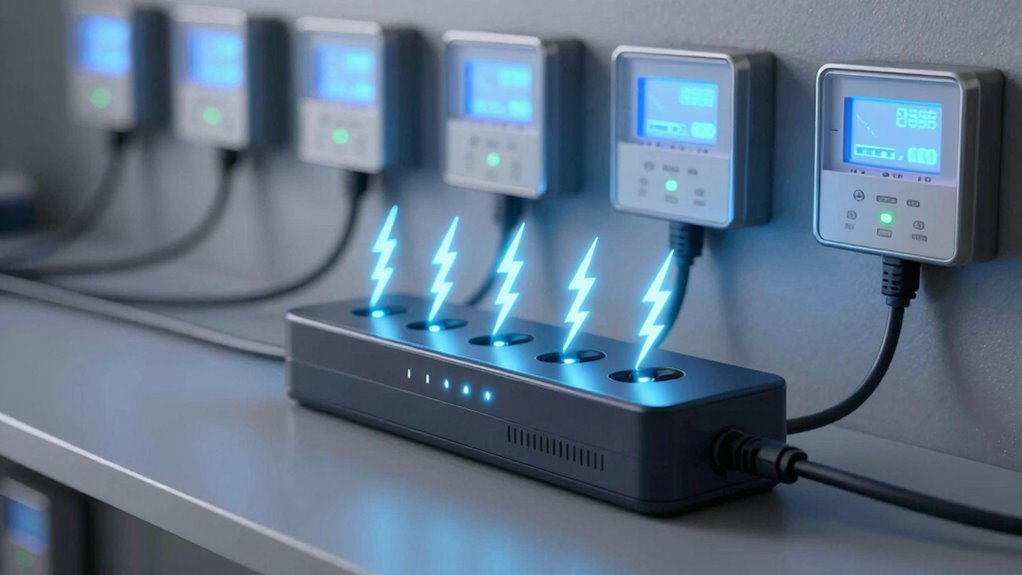
Have you ever wondered whether surge protection or power management is more critical for safeguarding your electronic devices? Both play essential roles, but understanding their differences can help you make smarter choices for your home or office. Surge protection primarily defends against sudden voltage spikes caused by lightning strikes, power outages, or electrical faults. It acts as a barrier, diverting excess voltage away from your devices, preventing damage and data loss. Power management, on the other hand, offers a broader approach, focusing on optimizing energy use and maintaining stable power flow. It includes features like voltage regulation, which keeps the voltage within safe limits, ensuring your devices operate reliably and efficiently.
Surge protection guards against voltage spikes, while power management ensures stable, efficient energy use for your devices.
Voltage regulation is a key component of power management that can profoundly impact the longevity and performance of your electronics. When the voltage fluctuates unexpectedly—either too high or too low—your devices may experience stress, reduced efficiency, or even permanent damage. Power management systems monitor and stabilize voltage levels, creating a safe environment for sensitive equipment. This not only protects your devices but also enhances energy efficiency by ensuring they run at the best possible voltage levels. When devices operate within ideal voltage ranges, they consume energy more effectively, saving you money on electricity bills and reducing environmental impact.
While surge protectors are essential for immediate, short-term threats like lightning strikes or power surges, they don’t address the ongoing, subtle fluctuations in power quality. Power management solutions, especially those with voltage regulation capabilities, promote a consistent power supply that prevents wear and tear over time. This continuous stability helps extend the lifespan of your electronics and keeps them functioning at peak performance. Additionally, by managing power more efficiently, you reduce waste and lower your overall energy consumption, making your setup more environmentally friendly.
In essence, surge protection shields your devices from sudden, destructive events, while power management ensures they receive clean, steady, and efficient power over the long term. Both are essential, but they serve different purposes. If you’re looking to safeguard your electronics from unpredictable voltage spikes, surge protectors are your go-to. However, if you want to optimize energy use, improve device lifespan, and maintain consistent performance, investing in a quality power management system with voltage regulation features offers substantial benefits. Combining both approaches offers complete protection, giving you peace of mind knowing your devices are shielded from immediate hazards and long-term power fluctuations.
Products Worth Considering

Jackery Explorer 1000 v2 Portable Power Station, 1070Wh, 1500W

DJI Osmo Mobile 7P Gimbal Stabilizer with Mic Mini Transmitter, Infinity Black

DJI Osmo Mobile 8 3-Axis Phone Gimbal Stabilizer
As an affiliate, we earn on qualifying purchases.
Frequently Asked Questions
Can Surge Protectors Prevent All Types of Electrical Damage?
Surge protectors can’t prevent all types of electrical damage. They mainly safeguard against voltage spikes, but electrical durability and component resilience are also affected by other issues like power surges, fluctuations, or faulty wiring. While surge protectors help, they don’t cover every scenario. To truly protect your devices, consider all-encompassing power management systems that address multiple electrical threats, ensuring your equipment stays safe and resilient over time.
What Are the Long-Term Benefits of Power Management Systems?
Ever wonder how your systems could run smoother and smarter? Power management systems provide long-term benefits like improved energy efficiency and significant cost savings. They optimize power usage, reduce waste, and extend equipment lifespan. By managing power intelligently, you not only lower energy bills but also contribute to a greener environment. Isn’t it time you invested in a system that makes your operations more sustainable and cost-effective?
How Do I Choose Between Surge Protection and Power Management?
To choose between surge protection and power management, consider your device compatibility and installation considerations. If your primary concern is protecting against voltage spikes, go for surge protection devices that are compatible with your equipment. However, if you want to optimize overall power efficiency and prevent ongoing issues, opt for a power management system that suits your installation setup. Assess your needs carefully to make the best choice for your environment.
Are There Combined Devices That Offer Both Surge Protection and Power Management?
Yes, you can find integrated devices or hybrid solutions that combine surge protection and power management. These devices offer the convenience of safeguarding your equipment from voltage spikes while optimizing power flow. By choosing a hybrid solution, you get the best of both worlds—protection and efficiency—without cluttering your setup with multiple devices. It’s an all-in-one approach that simplifies your electrical management and keeps your devices safe.
How Often Should I Replace Surge Protectors or Power Management Units?
You should replace surge protectors or power management units every 3 to 5 years, depending on usage and device lifespan. Over time, their ability to protect and regulate power diminishes due to wear and tear. Regularly check for signs of damage, such as frayed cords or burnt smell. For maximum safety and performance, replacing these devices within the recommended replacement frequency ensures you stay protected against power surges and fluctuations.
Conclusion
Think of surge protection as a sturdy umbrella, shielding your devices from sudden storms of voltage spikes. Power management, on the other hand, is like a gentle breeze, guiding and balancing the flow of energy smoothly through your system. Both work together to keep your setup safe and efficient, ensuring your devices flourish in a stable environment. Embrace both, and you’ll create a peaceful oasis where technology can thrive without worry.