
To feel impactful tactile bass without the sloppy boom, you need proper calibration. This involves fine-tuning your system to handle low frequencies accurately, preventing muddiness and distortion. Use high-quality equipment, optimize room acoustics, and balance power with precision. A well-calibrated setup guarantees your bass is punchy, controlled, and clear, allowing you to enjoy that powerful impact without chaos. Keep exploring to discover how top calibration techniques can transform your low-end experience.
Key Takeaways
- Proper calibration ensures bass is impactful without excessive boom or muddiness.
- Fine-tuning crossover points and phase aligns low frequencies for clarity and control.
- Room acoustics adjustments enhance low-frequency response and prevent distortion.
- Selecting high-quality equipment with flat response reproduces bass accurately and powerfully.
- Balancing power and precision creates a tactile experience that feels impactful but remains clean.

Have you ever wanted to feel music as much as hear it? If so, you’re not alone. Many audio enthusiasts chase that perfect tactile bass experience—where the punch hits hard but remains controlled, avoiding the sloppy boom that can ruin a track. Achieving this balance isn’t just about cranking up the volume; it’s about understanding how your equipment handles low frequencies and making sure everything is properly calibrated. When your setup’s frequency response is optimized, you get a clearer, more precise bass that you can actually feel without overwhelming the rest of the music or your space.
The key to a satisfying tactile bass lies in how well your system reproduces low frequencies. If your equipment isn’t calibrated correctly, you might notice that bass sounds muddy or overly boomy, which diminishes the impact you seek. Proper equipment calibration ensures that your speakers or subwoofers produce a flat, accurate frequency response—meaning the bass notes are delivered as intended by the artist. When calibration is off, the bass can become exaggerated or dull, making it hard to feel the music’s impact without the accompanying sloppiness. Fine-tuning your setup involves adjusting crossover points, phase alignment, and gain settings to match your room’s acoustics and your personal preferences. This calibration process helps eliminate distortions and peaks or dips in the frequency response, giving you a clean, punchy bass that hits where it should. Additionally, understanding your system’s frequency response helps prevent muddiness and ensures that each element of the bass is distinct and impactful. To get the most out of your system, it’s also beneficial to explore room acoustics and how they influence bass performance.
Choosing equipment that emphasizes the low end is also crucial for achieving accurate low-frequency response, which allows for more precise reproduction of bass notes. High-quality subwoofers and amplifiers with a wide and flat frequency response allow for more precise reproduction of bass notes. They help you avoid muddy sounds by accurately translating the studio’s intended low frequencies into your listening space. A well-calibrated system combined with equipment designed for accurate low-frequency response results in a tactile experience that’s both powerful and controlled. You want to feel the impact of each kick drum or bassline without feeling like the sound is spilling over into chaos.
In the end, achieving the tactile bass goal isn’t just about volume; it’s about precision. When your system’s frequency response is balanced, and you’ve properly calibrated your equipment, you’ll find that the bass becomes a tangible part of your music. It’s a feeling that’s immersive, impactful, and clear—giving you that perfect balance between feeling the music and hearing it with clarity.
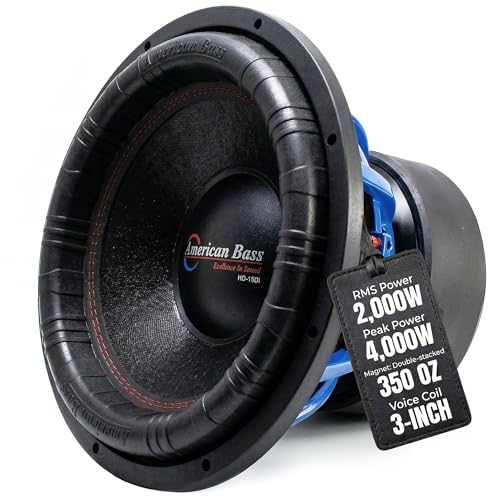
American Bass HD 15 Inch Car Subwoofer – 1 Ohm 4000 Max Watts – High Power Subwoofer Speaker with Deep Bass Performance, Premium Audio Upgrade for Cars, Trucks, and SUVs, Durable 15" Subwoofers
Powerful Performance – Experience unmatched audio quality with American Bass subwoofers. Built with 4,000W peak power, 2,000W RMS…
As an affiliate, we earn on qualifying purchases.
As an affiliate, we earn on qualifying purchases.
Frequently Asked Questions
How Can I Customize Tactile Bass Settings for Different Music Genres?
You can customize tactile bass settings for different music genres by adjusting the tactile feedback customization and genre-specific equalization. Start by choosing presets or manually tweaking the bass frequencies to match each genre’s characteristics. For example, boost low-end for EDM or keep it balanced for jazz. Fine-tune the tactile feedback to enhance impact without causing sloppy boom, ensuring each genre feels just right.
What Equipment Best Enhances Tactile Bass Without Distortion?
To enhance tactile bass without distortion, prioritize proper Bass calibration and equipment placement. Use a high-quality subwoofer or tactile transducer designed for clean impact, and position it close to your seat or designated listening area. Adjust the calibration to match your room’s acoustics, ensuring the bass feels powerful yet clear. Avoid placing equipment near walls or corners, which can cause muddiness, and always test with your preferred music genre for ideal results.
Are There Health Risks Associated With Intense Tactile Bass Vibrations?
You might wonder if intense tactile bass vibrations pose health concerns. While occasional exposure is generally safe, prolonged or very intense vibration exposure can lead to discomfort or fatigue. It’s wise to listen to your body and limit exposure, especially if you notice any ringing in your ears or dizziness. Using proper equipment and maintaining moderate volume levels helps minimize vibration exposure risks, keeping your experience enjoyable and safe.
How Does Tactile Bass Differ From Traditional Subwoofers?
Tactile bass differs from traditional subwoofers mainly in how it delivers vibrations. You place tactile devices strategically, focusing on subwoofer placement to maximize impact without muddiness. Unlike traditional subwoofers, which emphasize frequency response for deep sound, tactile bass emphasizes vibrations you can feel, often at lower frequencies. This creates a precise, impactful experience without overwhelming the senses, giving you the sensation of impact without the sloppy boom.
Can Tactile Bass Improve Overall Listening Experience in Small Rooms?
Yes, tactile bass can improve your listening experience in small rooms. It enhances impact without overwhelming space, especially when you optimize room acoustics and speaker placement. Proper positioning guarantees you feel the bass physically, adding depth and clarity. Tactile bass minimizes muddiness, allowing you to enjoy precise, impactful sound without disturbing the room’s balance, making your listening sessions more immersive and enjoyable.

Sony BRAVIA Theater Quad 16-Speaker Home Theater Audio System with 4 Wireless Speakers, 360 Spatial Sound Mapping, Dolby Atmos/DTS:X Support, Room Calibration (HT-A9M2)
UNLEASH THE FULL POTENTIAL OF SURROUND SOUND: Hear cinema-style surround sound all around you with 360 Spatial Sound…
As an affiliate, we earn on qualifying purchases.
As an affiliate, we earn on qualifying purchases.
Conclusion
Now that you understand the importance of clear, impactful tactile bass, it’s time to focus on precision, control, and balance. Avoid the sloppy boom by selecting quality equipment, fine-tuning your setup, and listening critically. Aim for clarity over volume, impact over excess, and feeling over overwhelming. By doing so, you’ll create a listening experience that’s immersive, satisfying, and free of muddiness. Remember, the goal isn’t just to feel it—it’s to feel it right.

TroyStudio Bass Traps – 12 Pcs 4 X 4 X 12 Inches Dense Thick Studio Bass Foam Corner, Acoustic Treatment Panel Absorbing Echo Reverb, Low Frequency Sound Absorber for Music Room Home Recording Studio
【SPECIFICATION】: Dimensions – 4 X 4 X 12 inches, pack of 12; Light Weight – 0.07 lbs per…
As an affiliate, we earn on qualifying purchases.
As an affiliate, we earn on qualifying purchases.
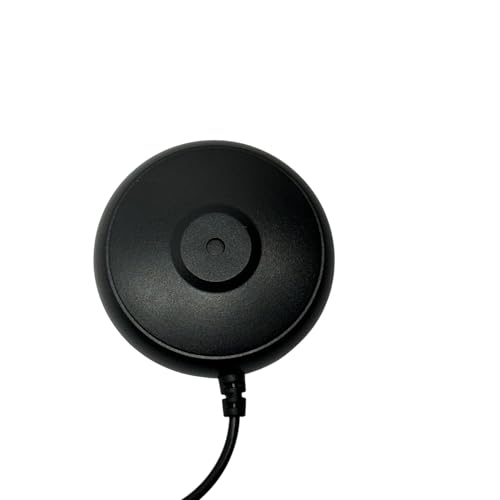
Calibration Microphone for Onkyo Receiver Series TX- RZ TX- SR TX- NR HT- R Other High Precision Measurement Audio Home Theater Studio Systems
Condition: Brand new calibration microphone compatible with Onkyo series receivers
As an affiliate, we earn on qualifying purchases.
As an affiliate, we earn on qualifying purchases.