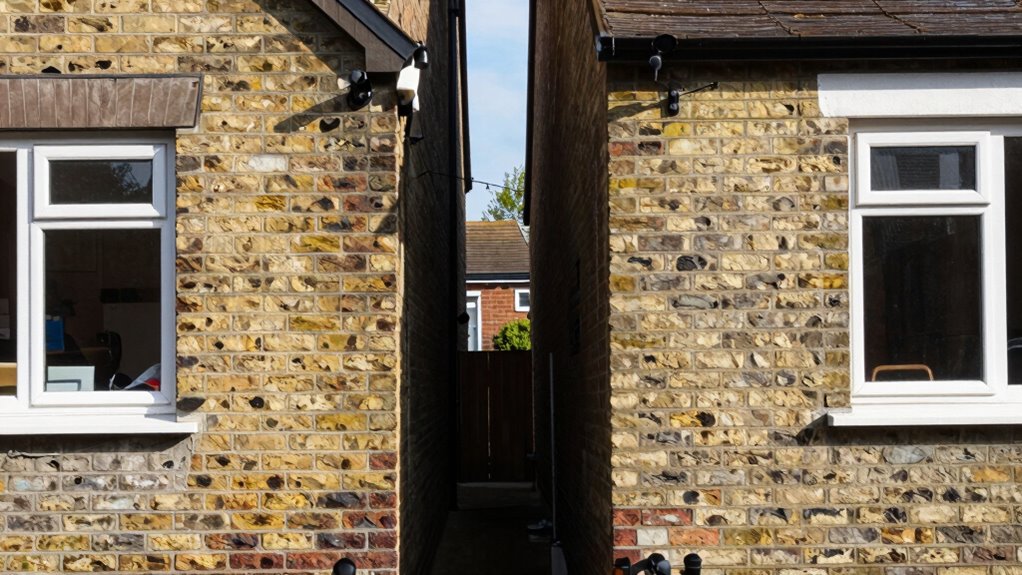

In shared-wall homes, your usual soundproofing methods often don’t cut it because thin partitions let sound easily pass through. Gaps, cracks, and seams around outlets or baseboards worsen the problem. You need a tailored approach that adds mass, seals gaps, and isolates vibrations, all while considering speaker placement and room layout. If you want to learn effective strategies to minimize noise transfer and create a quieter space, keep exploring how to tackle these unique challenges.

Get audio and creator gear delivered free with Prime
- Fast, free delivery on millions of items
- Prime Video, Amazon Music and more included
- Member-only deals all year
Key Takeaways
- Shared walls allow sound to easily pass through gaps, cracks, and thin partitions, requiring specialized soundproofing techniques.
- Standard insulation is often insufficient; materials like mass-loaded vinyl and acoustic panels are needed for effective noise reduction.
- Structural modifications, such as adding extra drywall or resilient channels, help decouple walls and block sound transfer.
- Proper speaker placement away from shared walls and using vibration-isolating mounts minimizes noise transmission.
- Combining multiple strategies—materials, structural changes, and room setup—is essential for effective soundproofing in shared-wall homes.
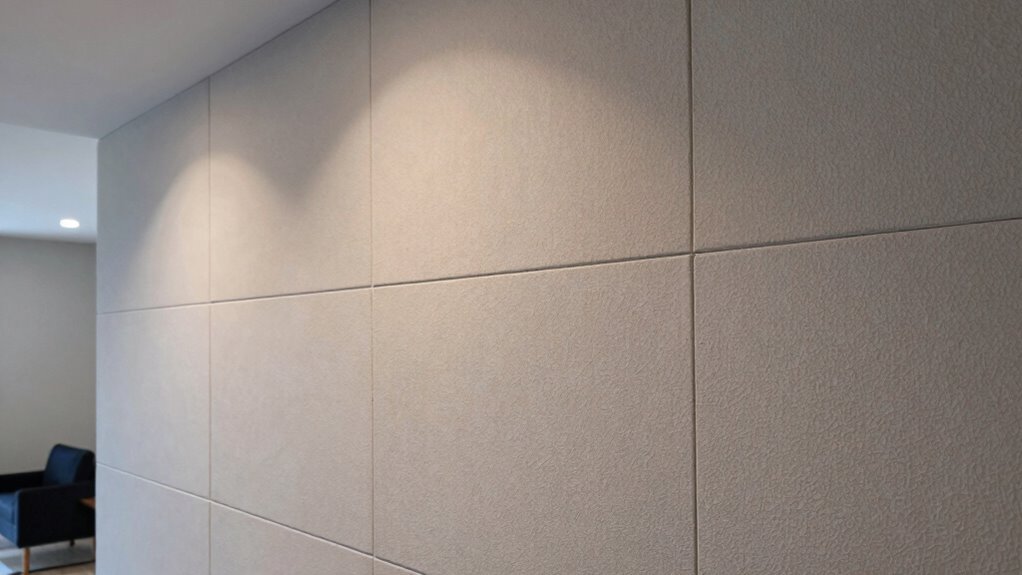
Ever wondered how to keep noise from traveling between shared-wall homes? It’s a common concern, and the key lies in understanding that traditional soundproofing methods often fall short in these settings. Shared walls create a unique challenge because noise can easily pass through thin partitions, making it essential to adopt specialized strategies. To effectively block sound, you need to focus on soundproofing techniques that go beyond simple insulation. Using materials like mass-loaded vinyl or acoustic panels can markedly reduce noise transfer. These materials absorb and dampen sound waves, preventing them from passing through the wall and into your neighbor’s space. It’s also important to seal all gaps, cracks, and seams around electrical outlets, baseboards, and switch plates, as even tiny openings can let in unwanted noise. The goal is to create a continuous barrier that minimizes sound leakage. Understanding sound transmission is crucial to developing an effective strategy. Incorporating soundproofing materials that add mass and damping capabilities can significantly enhance your efforts. Additionally, understanding how airborne noise travels through shared walls can help tailor your soundproofing approach more effectively. Recognizing the importance of sound absorption within the room can also help reduce the overall noise that may escape through shared structures. Using soundproofing techniques that target multiple pathways of noise transfer can provide a more comprehensive solution.
Another critical aspect of your audio strategy is speaker placement. When setting up your audio system, position your speakers thoughtfully to avoid transmitting sound directly into the shared wall. Keep speakers away from partitions and face them toward open areas or into the room’s center. Using stands or wall mounts that isolate the speakers from the wall can help reduce vibrations that might carry sound into neighboring units. Additionally, consider the use of rugs, curtains, and furniture to absorb sound within your room. These soft furnishings act as natural dampeners, preventing sound waves from bouncing and causing echo or amplification that could leak through walls.
It’s also worth exploring the possibility of adding an extra layer of drywall or installing resilient channels on your existing walls. These modifications increase mass and decouple the wall surface, making it harder for sound to pass through. During setup, be mindful of the placement of electronic devices; avoid placing speakers or subwoofers directly against shared walls. Instead, position them in locations that limit their sound energy from traveling through the wall to your neighbor’s space. Remember, combining multiple soundproofing techniques, from sealing gaps to strategic speaker placement, maximizes your success.
In a shared-wall home, every detail matters. By integrating effective soundproofing techniques with mindful speaker placement, you can create a more peaceful environment. These measures help guarantee that your enjoyment of music or movies doesn’t disturb those living next door. Ultimately, a tailored audio strategy recognizes the unique challenges of shared walls and works to minimize noise transfer, making your living space more comfortable for everyone involved.
soundproofing materials for shared walls
As an affiliate, we earn on qualifying purchases.
As an affiliate, we earn on qualifying purchases.
Frequently Asked Questions
How Do Shared Walls Affect Soundproofing Material Choices?
Shared walls directly influence your choice of soundproofing materials because they require enhanced insulation to block noise effectively. You should opt for wall insulation that absorbs sound and reduces vibrations, such as dense mineral wool or specialized acoustic panels. These soundproofing materials help minimize sound transmission between units, making your living space quieter and more comfortable. Properly selecting and installing wall insulation is essential for effective noise control in shared-wall homes.
What Are the Best Electronic Devices for Noise Cancellation?
Think of noise-canceling headphones as your personal fortress, creating personalized soundscapes that block out shared-wall noise. These devices actively cancel ambient sounds, making your environment peaceful. Look for models with adaptive noise canceling features and comfortable fit, perfect for long wear. They’re the best electronic devices for noise cancellation, helping you focus or relax despite noise from neighbors. Invest in quality, and you’ll reclaim your quiet sanctuary.
How Does Room Layout Influence Sound Transmission?
Your room layout markedly influences sound transmission. Good room acoustics help control echo and noise, while strategic furniture placement absorbs sound and blocks noise paths. Placing large, soft furnishings like sofas and rugs in key areas reduces sound travel between shared walls. You should also position speakers away from walls to prevent sound from bouncing directly into neighboring rooms, creating a quieter, more comfortable shared-wall home environment.
Are There Specific Building Codes for Soundproofing in Shared-Wall Homes?
You’ll find that building code variations often set specific standards for soundproofing in shared-wall homes. These codes aim to guarantee noise regulation compliance, requiring you to meet certain insulation, drywall, and sealing standards. By understanding these regulations, you can better plan your soundproofing strategies, minimize noise transfer, and stay compliant with local laws. Adhering to these codes helps create a peaceful, respectful living environment for everyone involved.
How Can Residents Communicate About Noise Issues Effectively?
To communicate noise issues effectively, you should practice neighbor cooperation by calmly discussing your concerns directly with your neighbor. Use clear communication, focusing on specific instances of noise, and avoid accusations. Keep a record of noise reporting to track patterns and provide evidence if needed. Approaching the situation with respect and openness encourages a positive dialogue, making it easier to find solutions that benefit both parties.
As an affiliate, we earn on qualifying purchases.
Conclusion
In shared-wall homes, your audio strategy isn’t just about volume; it’s about awareness. You need to evaluate your neighbors’ comfort, respect their peace, and embrace thoughtful solutions. You must choose soundproofing, control your noise, and communicate openly. Because when you prioritize their quiet, you create harmony; when you respect their space, you foster community; when you think beyond yourself, you build a home everyone can enjoy. Your approach makes all the difference.
As an affiliate, we earn on qualifying purchases.
vibration isolating speaker mounts
As an affiliate, we earn on qualifying purchases.
As an affiliate, we earn on qualifying purchases.
Fall Picks
fall essentials
As an affiliate, we earn on qualifying purchases.