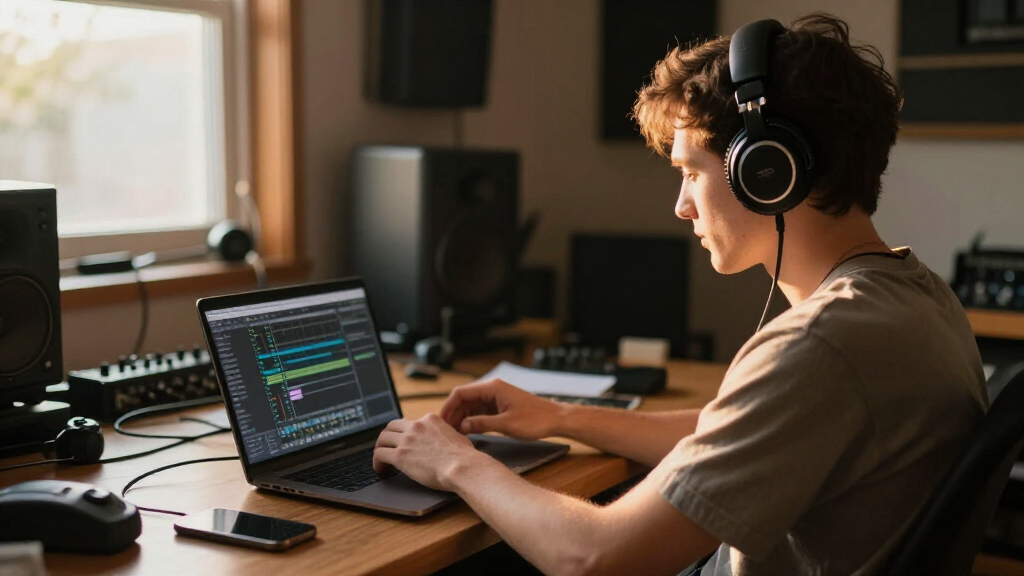
The right studio headphones for creators can make or break your mixes, voiceovers, and edits — and the biggest tradeoff in this category is between accuracy and comfort on long sessions. My top overall pick is the Audio-Technica ATH-M50x, which pairs a punchy, detailed sound signature with a durable, foldable build that survives daily creator workflows. Close behind, the Beyerdynamic DT 770 Pro (80 Ohm) is the comfort and low-end king for extended mixing sessions, while the budget-friendly Sony MDR7506 remains the industry-standard reference you’ll find in nearly every editing suite. The main decisions you’ll face are wired versus Bluetooth, open versus closed-back, and how much isolation you actually need for recording versus pure editing. Keep reading for the full ranked breakdown with tradeoffs, comparisons, and recommendations by budget.

Get audio and creator gear delivered free with Prime
- Fast, free delivery on millions of items
- Prime Video, Amazon Music and more included
- Member-only deals all year
Complete the kit


Key Takeaways
- The ATH-M50x earned the top spot because it balances accuracy, build quality, and versatility better than any pair here, but its clamp force makes it less comfortable than the DT 770 Pro for marathon sessions.
- Budget picks under $50 — the FIFINE HD8, TASCAM TH-02, and OneOdio A71 — prove that decent monitoring no longer requires a big spend, though all three compromise on build durability and treble refinement.
- The Beyerdynamic DT 770 Pro and DT 270 Pro are the only picks here with plush, long-session comfort and true isolation, making them the clear choices for tracking vocals or working in noisy rooms.
- The OneOdio A70 is the only Bluetooth option in the lineup, which makes it convenient for content consumption and casual editing, but I’d steer anyone doing final mixes toward the wired alternatives.
- The Audio-Technica M20x/M30x/M40x/M50x ladder shows predictable step-ups in clarity and detail; the M40x is the sweet spot if the M50x price feels steep.
| Audio-Technica ATH-M20x Professional Studio Monitor Headphones, White |  | Best Ultra-Budget Entry Point | Driver Size: 40 mm | Design: Circumaural, closed-back | Cable Exit: Single-side | VIEW LATEST PRICE | See Our Full Breakdown |
| Sennheiser HD 280 Pro Headphones, Black |  | Best for Durability and Isolation | Brand: Sennheiser | Model: HD 280 Pro | Ear Cup Design: Closed-back over-ear | VIEW LATEST PRICE | See Our Full Breakdown |
| Audio-Technica ATH-M30x Professional Studio Monitor Headphones, Black |  | Best Step-Up for Mid-Range Clarity | Driver Size: 40 mm | Design: Circumaural, closed-back | Cable Exit: Single-side | VIEW LATEST PRICE | See Our Full Breakdown |
| FIFINE HD8 Wired Studio Monitor Headphones |  | Best Value Bundling | Driver Size: 50mm | Frequency Range: 20Hz–20kHz | Weight: 265g | VIEW LATEST PRICE | See Our Full Breakdown |
| AKG Pro Audio K72 Over-Ear, Closed-Back Studio Headphones, Black |  | Best Comfort for Long Sessions | Type: Closed-back over-ear | Drivers: 40mm | Design: Self-adjusting headband, lightweight | VIEW LATEST PRICE | See Our Full Breakdown |
| TASCAM TH-02 Professional Studio Monitor Headphones, Wired, Over Ear |  | Best Budget Entry Point | Design: Over ear, closed-back | Foldable: Yes | Padding: Tightly-stitched, padded headband and ear pads | VIEW LATEST PRICE | See Our Full Breakdown |
| Wired Over-Ear Headphones for Studio Monitoring and DJ Mixing |  | Best for DJs and Co-Production | Driver Size: 50mm dynamic | Frequency Range: 20Hz – 20kHz | Weight: 260g (9.1 oz) | VIEW LATEST PRICE | See Our Full Breakdown |
| beyerdynamic DT 270 Pro Closed-Back Wired Studio Headphones, Black |  | Best for Podcasting and Voice Recording | Type: Closed-back, over-ear | Connectivity: Wired | Cable Length: 3 meters | VIEW LATEST PRICE | See Our Full Breakdown |
| OneOdio A70 Bluetooth Over-Ear Headphones, Hi-Res Wired DJ Studio – Black | 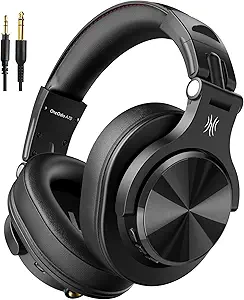 | Best Hybrid Wireless Option | Battery Life: Up to 72 hours | Connectivity: Bluetooth and wired (3.5mm and 6.35mm) | Drivers: 40mm neodymium | VIEW LATEST PRICE | See Our Full Breakdown |
| Beyerdynamic DT 770 PRO 80 Ohm Over-Ear Studio Headphones in Gray |  | Best Premium Closed-Back Reference | Impedance: 80 Ohms | Design: Closed-back, over-ear | Material: Velour ear pads, spring-steel headband | VIEW LATEST PRICE | See Our Full Breakdown |
| Audio-Technica ATH-M40x Professional Studio Monitor Headphones, Black |  | Best Value for Serious Mixing | Driver Size: 40 mm | Design: Circumaural, closed-back | Swiveling Earcups: 90 degrees | VIEW LATEST PRICE | See Our Full Breakdown |
| Audio-Technica ATH-M50X Professional Studio Monitor Headphones, Black |  | Best Overall | Driver Size: 45 mm | Type: Professional closed-back monitor headphones | Design: Circumaural, over-ear, foldable | VIEW LATEST PRICE | See Our Full Breakdown |
| OneOdio A71D Wired Over-Ear Headphones, Hi-Res DJ Studio Headphone |  | Best Budget Pick for Beginners | Driver Size: 40 mm | Design: Over-ear, closed-back, foldable | Swiveling Ear Cups: Yes | VIEW LATEST PRICE | See Our Full Breakdown |
| Sony MDR7506 Professional Large Diaphragm Headphones |  | Best Industry Standard for Editing and Reference | Driver Size: 40 mm | Magnets: Neodymium | Frequency Response: 10 Hz – 20 kHz | VIEW LATEST PRICE | See Our Full Breakdown |
| OneOdio A71 Hi-Res Wired Over-Ear Studio Headphones for DJ, Mixing – Black |  | Best for Shared Setups and Dual-Device Work | Driver Size: 40 mm | Design: Over-ear, closed-back | Earcup Rotation: 90° swiveling | VIEW LATEST PRICE | See Our Full Breakdown |
| studio headphones for creator | Design | Driver Size | Connectivity |
|---|---|---|---|
| Audio-Technica ATH-M20x Profes | Circumaural, closed-back | 40 mm | Wired |
| Sennheiser HD 280 Pro Headphon | — | — | Wired |
| Audio-Technica ATH-M30x Profes | Circumaural, closed-back | 40 mm | Wired |
| FIFINE HD8 Wired Studio Monito | — | 50mm | — |
| AKG Pro Audio K72 Over-Ear | Self-adjusting headband, lightweight | — | — |
| TASCAM TH-02 Professional Stud | Over ear, closed-back | — | — |
| Wired Over-Ear Headphones for | — | 50mm dynamic | — |
| beyerdynamic DT 270 Pro Closed | — | — | Wired |
| OneOdio A70 Bluetooth Over-Ear | Foldable, ergonomic, space-saving | — | Bluetooth and wired (3.5mm and 6.35mm) |
| Beyerdynamic DT 770 PRO 80 Ohm | Closed-back, over-ear | — | — |
| Audio-Technica ATH-M40x Profes | Circumaural, closed-back | 40 mm | Wired, detachable |
| Audio-Technica ATH-M50X Profes | Circumaural, over-ear, foldable | 45 mm | — |
| OneOdio A71D Wired Over-Ear He | Over-ear, closed-back, foldable | 40 mm | Wired, 3.5mm and 6.35mm adapters included |
| Sony MDR7506 Professional Larg | Closed-ear, foldable | 40 mm | — |
| OneOdio A71 Hi-Res Wired Over- | Over-ear, closed-back | 40 mm | Wired, 6.35mm and 3.5mm plugs |
More Details on Our Top Picks
Audio-Technica ATH-M20x Professional Studio Monitor Headphones, White
For creators who need honest monitoring sound at the lowest possible price, the ATH-M20x is the floor of the lineup — and a surprisingly solid one. The 40mm drivers lean slightly warm, which flatters bass-heavy productions but means it’s not the flattest tool here; the AKG K72 further up this roundup offers a more neutral starting point for critical mixing. Where the M20x holds its own is comfort and isolation: the circumaural fit blocks enough room noise for tracking vocals in a home studio, something cheaper generic DJ headphones often fail at. This pick makes the most sense for someone recording their first podcasts or demos, or buying multiple pairs for a shared space. Just know that the non-detachable cable and lack of any folding hinge mean it’s a desk tool, not a travel companion.
Pros:- Reliable Audio-Technica monitoring tuning at the lowest price in this batch
- Circumaural design gives solid passive isolation for tracking
- Comfortable enough for long beginner sessions
Cons:- Fixed cable with no detachability — a snapped cord means replacing the headphones
- Slightly elevated low end sacrifices accuracy for appeal
- No folding or collapsible design, so storage and transport are awkward
Best for: First-time podcasters and home recorders who need dependable monitoring sound without spending more than the microphone itself
Not ideal for: Mixing engineers who need flat response — the boosted low end will mislead decisions on bass levels compared to the M30x or K72
- Driver Size:40 mm
- Design:Circumaural, closed-back
- Cable Exit:Single-side
- Color:White
- Connectivity:Wired
- Warranty:2 Years
Our verdict“Buy these if you’re starting out and need functional studio sound cheap; skip them the moment mixing accuracy becomes your priority.”
Sennheiser HD 280 Pro Headphones, Black
The HD 280 Pro earns its slot by being the toughest long-term investment in this price bracket. Its standout trait is up to 32 dB of passive attenuation — more isolation than the ATH-M30x or AKG K72 — which matters enormously if you track loud sources like drums or record in untreated rooms. The other differentiator is replaceable ear pads, headband padding, and cable, meaning a five-year-old pair can be refreshed for a fraction of replacement cost. Compared with the FIFINE HD8, the Sennheiser’s coiled 3.3-to-9.8-foot cable stretches across a control room without dragging. The tradeoff is honest: its tuning is workmanlike rather than flattering, clamping pressure runs firm, and bass response sits drier than bass-forward consumer options. This is a tool, not a pleasure listen — and a better long-term buy than anything else in this batch.
Pros:- Class-leading passive isolation up to 32 dB for tracking loud sources
- Fully replaceable pads, headband, and cable extend lifespan indefinitely
- Collapsible design makes it the most portable pro-grade option here
- Sennheiser’s proven track record in broadcast and studio environments
Cons:- Firm clamping force becomes noticeable during multi-hour editing sessions
- Dry, analytical tuning offers little enjoyment outside work tasks
- Coiled cable can pull at the connector when stretched taut
Best for: Project studio owners and location recordists who want headphones that survive years of daily abuse and can be repaired, not replaced
Not ideal for: Casual listeners and creators who want enjoyable sound for long editing sessions — the firm clamp and dry tuning get fatiguing
- Brand:Sennheiser
- Model:HD 280 Pro
- Ear Cup Design:Closed-back over-ear
- Noise Attenuation:Up to 32 dB
- Cord:Coiled, 3.3–9.8 ft
- Replaceable Parts:Earpads, headband padding, audio cord
- Connectivity:Wired
- Warranty:2 years
Our verdict“The buy-it-once choice — pick the HD 280 Pro if isolation and repairability matter more to your workflow than lush sound.”
Audio-Technica ATH-M30x Professional Studio Monitor Headphones, Black
Sitting one rung above the M20x, the ATH-M30x justifies its higher price with clearly improved mid-range detail — the range where vocals, guitars, and podcast speech live. That focus makes it a sharper editing tool than its cheaper sibling, and its collapsible design gives it portability the M20x lacks entirely. Against the Sennheiser HD 280 Pro, the M30x sounds more open and less clampy, but gives up isolation and the replaceable-parts advantage, so it’s a comfort-and-clarity pick rather than a durability pick. The tuning favors mids slightly over bass, which helps you hear dialogue problems and muddy mixes — but producers working on bass-heavy genres may find the low end understated next to the 50mm drivers of the FIFINE HD8. This model is better suited to editors, podcasters, and mixers who prioritize hearing detail over feeling impact.
Pros:- Standout mid-range clarity for vocal-centric editing and mixing
- Collapsible and portable, unlike the cheaper M20x
- Comfortable circumaural fit suited to long sessions
- More refined tuning than most headphones at this price
Cons:- Bass response is understated compared with 50mm-driver rivals
- Fixed cable cannot be replaced if damaged
- Isolation falls short of the HD 280 Pro for loud tracking situations
Best for: Podcast editors and mid-level mixers who need to hear vocal and mid-range detail clearly during long revision sessions
Not ideal for: Electronic and hip-hop producers who need strong low-end feedback while arranging — the restrained bass undersells kick and sub levels
- Driver Size:40 mm
- Design:Circumaural, closed-back
- Cable Exit:Single-side
- Color:Black
- Portability:Collapsible
- Connectivity:Wired
Our verdict“The smart middle step between budget and pro models — choose the M30x when mid-range honesty matters more than bass weight or ruggedness.”
FIFINE HD8 Wired Studio Monitor Headphones
The FIFINE HD8 wins on sheer equipment-per-dollar: 50mm drivers, a detachable coiled cable, and both 3.5mm and 6.35mm plugs included in the box — accessories that Audio-Technica and Sennheiser reserve for pricier models or sell separately. The large drivers deliver noticeably fuller bass than the 40mm ATH-M30x, which makes arranging bass-driven tracks more intuitive, though the tuning is friendlier than strictly flat. The 9.8-foot detachable cable is a genuine advantage over the fixed cords on both Audio-Technica picks here: when it wears out, you replace a cable, not the headphones. At 265g with padded cushions and an adjustable band, it holds up through long sessions without the clamp pressure of the HD 280 Pro. Build quality and brand pedigree are where the savings show, and there’s no active noise cancellation — but at this price, that expectation would be unreasonable.
Pros:- 50mm drivers deliver deeper, more satisfying bass than 40mm rivals
- Detachable coiled cable prevents the most common headphone failure
- Includes both 3.5mm and 6.35mm jacks for instant interface compatibility
- 265g weight and padded fit stay comfortable through long sessions
Cons:- Tuning is consumer-friendly rather than reference-flat, so final mix decisions need verification on other gear
- 1-year warranty is the shortest in this batch
- Plasticky build feels less premium than the HD 280 Pro
Best for: Streaming and bedroom-production setups that need long cables, both plug sizes, and full bass response on a tight budget
Not ideal for: Buyers who prioritize brand support and resale value — FIFine’s warranty and service network can’t match Sennheiser or Audio-Technica
- Driver Size:50mm
- Frequency Range:20Hz–20kHz
- Weight:265g
- Cable:9.8ft detachable coiled
- Connection:3.5mm and 6.35mm jacks
- Noise Isolation:Passive
- Warranty:1 year
Our verdict“The best hardware-for-money deal here — grab the HD8 if you want big-driver sound and dual plugs without paying pro-brand prices.”
AKG Pro Audio K72 Over-Ear, Closed-Back Studio Headphones, Black
Comfort is the K72’s whole argument, and it’s a persuasive one. The self-adjusting headband distributes weight evenly without the firm clamp of the Sennheiser HD 280 Pro, making it the pick for marathon mixing or editing days where pressure fatigue ruins concentration. AKG’s tuning here is relatively neutral for the price — more honest than the bass-forward FIFINE HD8 — which makes it a legitimate budget mixing reference rather than just a tracking can. The bundled steel screw-on 1/4″ adapter is a nice professional touch that stays firmly seated in interface jacks. The compromises are real, though: isolation is modest by closed-back standards, so loud room noise bleeds in during recording, and there’s no detachable cable or folding mechanism. This option stands out as the lightweight comfort choice in a lineup full of tighter-clamping workhorses.
Pros:- Self-adjusting headband eliminates pressure points during long sessions
- More neutral tuning than most budget closed-backs, suitable for rough mixes
- Steel screw-on 1/4″ adapter is sturdier than snap-on alternatives
- Lightweight build reduces neck strain over full workdays
Cons:- Weaker passive isolation than the HD 280 Pro or M-series Audio-Technicas
- Fixed cable with no detachability or folding hinge
- Sparse feature set — nothing beyond the basics
Best for: Mixers and editors prone to headphone fatigue who wear cans for six-plus hours and need gentle, even pressure
Not ideal for: Vocalists tracking loud sources — the lighter clamp that makes it comfortable also lets sound leak in and out
- Type:Closed-back over-ear
- Drivers:40mm
- Design:Self-adjusting headband, lightweight
- Color:Black
- Adapter:1/4″ steel screw-on, 1/8″ steel plug
- Intended Use:Studio mixing and tracking
Our verdict“Choose the K72 when all-day comfort outweighs maximum isolation — it’s the gentlest-wearing monitor in this batch.”
TASCAM TH-02 Professional Studio Monitor Headphones, Wired, Over Ear
For creators who need closed-back monitoring without spending much, the TH-02 is the cheapest credible ticket into this roundup. The bass response runs warmer than the AKG K72, which flatters rough mixes but can mask low-end problems if you don’t reference against other speakers. What you give up compared with the Audio-Technica ATH-M20x is build refinement — the snap-on 1/4-inch adapter feels less secure than a threaded one, and the plastic construction won’t survive years of abuse in a shared studio. That said, the foldable design and padded headband make it a surprisingly comfortable backup pair or a primary set for podcasters just starting out. This pick makes the most sense for buyers prioritizing wallet-friendly function over long-term durability.
Pros:- Very low price for genuine closed-back monitoring
- Foldable structure makes storage and travel simple
- Comfortable padded headband and ear pads for long sessions
- Includes 3.5mm to 6.3mm adapter for interfaces and controllers
Cons:- Warm, bass-forward tuning is not a neutral reference for critical mixing
- Lightweight plastic build is less durable than pricier rivals
Best for: Beginner podcasters and home recorders who want functional studio monitoring for under thirty dollars
Not ideal for: Mixing engineers who need a neutral low end — the boosted bass can hide problems in a mix
- Design:Over ear, closed-back
- Foldable:Yes
- Padding:Tightly-stitched, padded headband and ear pads
- Adapter:Snap-on 1/8″ to 1/4″ (3.5mm to 6.3mm)
- Connection:Wired
- Intended Use:Studio monitoring
Our verdict“A sensible starter pair for creators testing the waters, not a long-term mixing reference.”
Wired Over-Ear Headphones for Studio Monitoring and DJ Mixing
Where most entries here are pure studio tools, this model leans into DJ workflow with single-side monitoring and sharing tech that lets a second person plug in and listen along — handy when you’re producing with a partner or cueing tracks in a booth. The 50mm drivers deliver punchy bass and present treble, a more energetic character than the flatter TASCAM TH-02, which makes beatmatching fun but again compromises neutrality. At 260 grams it’s one of the lighter over-ear options here, and the generous 6-foot cable with both 3.5mm and 6.35mm plugs covers mixers, interfaces, and laptops without adapters. Compared with the Sony MDR7506, the tuning is less clinical, so treat it as a tracking and DJing tool rather than a final-mix arbiter.
Pros:- 50mm drivers produce energetic, high-resolution sound with strong bass
- Single-side monitoring designed for DJ cueing
- Sharing technology allows two listeners on one source
- Lightweight at 260g with dual 3.5mm and 6.35mm plugs
Cons:- No active noise cancellation for loud environments
- Bass-forward tuning is not ideal for reference mixing
Best for: DJs and producer duos who need single-ear cueing and shared listening during sessions
Not ideal for: Solo mix engineers — the hyped bass and treble make balanced final mixes harder to judge
- Driver Size:50mm dynamic
- Frequency Range:20Hz – 20kHz
- Weight:260g (9.1 oz)
- Cord Length:5.7ft – 6ft
- Plug Types:3.5mm, 6.35mm
- Connection:Wired
- Special Features:Single-side monitoring, sharing technology
Our verdict“Built for the booth and collaborative sessions rather than the final mix decision.”
beyerdynamic DT 270 Pro Closed-Back Wired Studio Headphones, Black
Podcasters live and die by isolation — bleed from open headphones into the mic ruins takes — and the DT 270 Pro is tuned for exactly that problem. Its closed-back cups seal better than the budget TASCAM TH-02, keeping click tracks and music cues out of your recordings. The soft ear pads and modest 6.8-ounce weight mean a three-hour recording session stays comfortable, and the 3-meter cable gives you room to gesture, stand, or sit back from the interface without yanking cords. Compared with the DT 770 PRO from the same brand, this model skips the velour pads and high impedance, making it easier to drive straight from a laptop or mixer — a fair trade for voice work that doesn’t demand the 770’s studio-grade detail. Don’t expect it to fold up for travel; this is a desk-bound tool.
Pros:- Excellent sound isolation prevents headphone bleed into the mic
- Soft ear pads stay comfortable through long recording sessions
- 3-meter cable allows movement away from the interface
- Two-year manufacturer warranty
Cons:- Non-foldable design limits portability
- Wired-only connection with a long cable can clutter a small desk
Best for: Podcasters and voiceover artists who need strong isolation and long-cable freedom at the desk
Not ideal for: Creators who travel — the non-foldable design and long fixed cable make it awkward to pack
- Type:Closed-back, over-ear
- Connectivity:Wired
- Cable Length:3 meters
- Weight:6.8 ounces
- Foldable:No
- Warranty:2 years
- Intended Use:Home recording, podcasting
Our verdict“A purpose-built isolation tool for voice creators who record at a desk and stay there.”
OneOdio A70 Bluetooth Over-Ear Headphones, Hi-Res Wired DJ Studio – Black
The A70 is the only headphone in this batch that refuses to choose sides: 72 hours of Bluetooth playback when you’re moving around, plus wired 3.5mm and 6.35mm cables when you need a zero-latency monitor feed. That dual-mode design solves a real problem for creators who edit on a laptop at a café and track vocals at home with one pair. Compared with the pure-wired DJ model above it, the A70 trades a bit of driver size — 40mm versus 50mm — for flexibility, and Bluetooth codecs will never match a cable for critical listening. The built-in HD mic with noise reduction also makes it usable for client calls between sessions. Just remember that in wired mode you’re jangling multiple cables, and the foldable frame is bulkier in a bag than something like the TASCAM TH-02.
Pros:- Up to 72 hours of battery life per charge
- Seamless switch between Bluetooth and wired 3.5mm/6.35mm modes
- Built-in HD microphone with noise reduction for calls
- Foldable, ergonomic design with audio sharing
Cons:- Sound quality in wireless mode depends on connection stability
- Bulky footprint compared with slimmer studio pairs
- Wired mode requires carrying multiple cables
Best for: Multidisciplinary creators who want one pair for wireless editing on the go and wired tracking at home
Not ideal for: Purist mix engineers — Bluetooth compression and 40mm drivers fall short of a wired reference pair
- Battery Life:Up to 72 hours
- Connectivity:Bluetooth and wired (3.5mm and 6.35mm)
- Drivers:40mm neodymium
- Design:Foldable, ergonomic, space-saving
- Microphone:Built-in HD mic with noise reduction
- Additional Features:Audio sharing, jack lock system
Our verdict“The most versatile pair here for creators who refuse to be tethered to one workspace.”
Beyerdynamic DT 770 PRO 80 Ohm Over-Ear Studio Headphones in Gray
This is the pair the rest of the list is measured against. The DT 770 PRO’s velour ear pads and spring-steel headband set the comfort standard for marathon sessions, and its passive isolation is good enough to track loud sources without bleed — something the OneOdio A70 can’t match in wireless mode. The catch is impedance: at 80 ohms, it genuinely needs an audio interface or headphone amp to sound its best, so plugging straight into a phone or laptop leaves it thin and quiet. That requirement is what separates it from the easier-to-drive DT 270 Pro and why it sits at the premium end: you’re buying into a German-built monitoring tool with replaceable pads that lasts a decade, not a plug-and-play accessory. The fixed 3m cable also means no swapping for a short lead on portable gear.
Pros:- Industry-standard neutral tuning for tracking and mixing
- Velour ear pads and spring-steel headband stay comfortable for hours
- Replaceable pads and German build quality extend lifespan
- Excellent passive isolation for recording loud sources
Cons:- Needs an audio interface or headphone amp to perform properly
- Fixed 3m straight cable can’t be swapped or shortened
- 80-ohm impedance underperforms on phones and laptops
Best for: Serious home studio owners with an audio interface who want a durable, neutral closed-back reference
Not ideal for: Mobile creators — 80-ohm impedance and a fixed 3m cable demand powered, desk-based gear
- Impedance:80 Ohms
- Design:Closed-back, over-ear
- Material:Velour ear pads, spring-steel headband
- Cable:Fixed 3m straight cable
- Adapter:1/4-inch adapter included
- Made in:Germany
Our verdict“The definitive closed-back upgrade for creators who already own proper studio gear.”
Audio-Technica ATH-M40x Professional Studio Monitor Headphones, Black
For creators who want honest, uncolored sound without paying the M50x premium, the ATH-M40x is the smartest middle ground in this lineup. Its tuning is flatter than its bigger sibling’s, which actually makes it a better tool for mixing decisions — the M50x’s boosted low end can flatter a mix that still has problems hiding underneath. Compared with the budget OneOdio A71D, the M40x’s build quality and detachable cables justify the extra spend, since a broken cable won’t kill the whole headphone. The tradeoff is portability: these don’t fold up, so they live at the desk rather than in a gig bag. Isolation also depends heavily on getting a proper seal, so glasses wearers may hear more room bleed than they’d like.
Pros:- Genuinely flat frequency response that translates well to other playback systems
- Detachable cables that extend the headphone’s lifespan
- 90-degree swiveling earcups for one-ear monitoring during tracking
- Pro-grade pads and headband that hold up to daily studio abuse
Cons:- Does not fold, making it bulkier to carry than the Sony MDR7506 or OneOdio models
- Sound isolation is only effective with a proper fit — glasses and small heads may break the seal
Best for: Home studio producers and podcasters who need a neutral reference for mixing at a mid-range price
Not ideal for: Mobile creators and DJs who travel — the non-folding design and fixed earcups make transport awkward
- Driver Size:40 mm
- Design:Circumaural, closed-back
- Swiveling Earcups:90 degrees
- Material:Pro-grade ear pads and headband
- Cables Included:Coiled (1.2–3.0 m), straight (3.0 m)
- Connectivity:Wired, detachable
- Warranty:2 years
Our verdict“If your priority is making accurate mixing decisions rather than enjoying bass-heavy playback, this is the best price-to-truth ratio in the entire roundup.”
Audio-Technica ATH-M50X Professional Studio Monitor Headphones, Black
This is the pick that balances everything a working creator needs: 45mm drivers with extended bass, serious isolation, a collapsible frame, and detachable cables. The M50x’s reputation among audio professionals is earned — compared with the flatter ATH-M40x, it delivers a more engaging sound that works double duty for production and casual listening, though purists doing final mix translation may prefer the M40x’s honesty. Against the Sony MDR7506, the M50x wins on comfort for long editing sessions and on cable flexibility, since Sony still ships a fixed cord. The drawbacks are real but forgivable: it sits at the top of this roundup’s price range, and the extra weight becomes noticeable during marathon sessions. Bass-leaning tuning means it flatters rather than reveals, so treat it as a production workhorse rather than a strict reference.
Pros:- Critically acclaimed 45mm driver sound with extended, punchy bass
- Excellent passive isolation for tracking in untreated rooms
- Foldable, collapsible design with detachable cables for portability and longevity
- Durable professional-grade build that survives daily professional use
Cons:- Premium price compared with every other closed-back in this roundup
- Heavier than casual headphones, which some users feel during long sessions
- Bass-forward tuning is less neutral than the M40x for critical mixing
Best for: Full-time creators who produce, mix, edit, and listen on one pair of headphones all day
Not ideal for: Budget-limited beginners who only need a mixing reference — the ATH-M40x delivers 90% of the accuracy for noticeably less
- Driver Size:45 mm
- Type:Professional closed-back monitor headphones
- Design:Circumaural, over-ear, foldable
- Swiveling Earcups:Yes
- Detachable Cable:Yes
- Frequency Character:Extended range with deep bass
- Warranty:2 years
Our verdict“The one pair that does production, mixing, tracking, and everyday listening well enough to justify its price — buy it if your headphones are your main tool.”
OneOdio A71D Wired Over-Ear Headphones, Hi-Res DJ Studio Headphone
Not every creator can justify studio-headphone money before their first paid gig, and the A71D exists for exactly that moment. It delivers studio-grade 40mm driver sound with a bass-forward character that beginners find motivating, plus a foldable frame that the pricier ATH-M40x lacks. The included 3.5mm and 6.35mm adapters mean it plugs straight into an audio interface, mixer, or phone with no shopping trips. Where it falls short of the Audio-Technica and Sony options is refinement: mids are less precise, and the fixed-length 2.2m cable is both too long for desk work and not detachable if it fails. Still, for a first pair used to learn mixing basics, it’s hard to argue with the price. Just know you’ll likely upgrade within a couple of years as your ears sharpen.
Pros:- Very low entry price with sound quality well above typical consumer headphones
- Both 3.5mm and 6.35mm cables included for instant interface compatibility
- Swiveling ear cups for single-ear DJ monitoring
- Foldable, lightweight (0.34 kg) design with comfortable padded muffs
Cons:- Bass-heavy tuning that masks mix problems rather than exposing them
- Fixed 2.2m cable — long for desk use and irreplaceable if damaged
- Wired only, no wireless flexibility like the OneOdio A70
Best for: Beginner producers, DJs, and content creators who need functional studio sound for under modest budgets
Not ideal for: Mixing engineers who need neutral accuracy — the boosted bass will mislead critical low-end decisions
- Driver Size:40 mm
- Design:Over-ear, closed-back, foldable
- Swiveling Ear Cups:Yes
- Connectivity:Wired, 3.5mm and 6.35mm adapters included
- Cable Length:2.2 m (7.2 ft)
- Weight:0.34 kg
Our verdict“The best low-risk first step into studio monitoring — buy it to learn on, then upgrade once you can hear what it’s hiding.”
Sony MDR7506 Professional Large Diaphragm Headphones
Few headphones carry the industry-standard reputation of the MDR7506 — walk into any broadcast facility or video edit bay and you’ll see a pair. Its strength is detailed, upfront midrange, which is why it dominates in film, podcasting, and vocal editing: dialogue problems jump out immediately. Compared with the ATH-M50x, the Sony is lighter, cheaper, and more revealing of vocal flaws, but less enjoyable for bass-heavy music production. The 9.8-foot OFC cord is generous for console work yet permanently attached — a real limitation next to the detachable-cable Audio-Technicas, since cord damage means a repair or replacement. The included soft case and gold-plated connectors are nice touches at this price. Long-session comfort lags behind the M50x’s plusher pads, so editors who work eight-hour days should factor that in.
Pros:- Legendary midrange clarity that exposes vocal and dialogue flaws instantly
- Rugged, proven build used daily in professional facilities worldwide
- Foldable design with included soft case and gold-plated connectors
- Very long 9.8-foot cord ideal for console and control-room work
Cons:- Non-detachable cord — damage means repair or full replacement
- Firm earpads become uncomfortable during extended sessions
- Bass response is lean by modern standards
Best for: Video editors, podcasters, and broadcast professionals who edit dialogue and need a trusted reference
Not ideal for: Bass-music producers — the lean low end undersells sub-heavy mixes compared with the M50x or OneOdio options
- Driver Size:40 mm
- Magnets:Neodymium
- Frequency Response:10 Hz – 20 kHz
- Design:Closed-ear, foldable
- Cord Length:9.8 ft oxygen-free copper
- Connector:Gold-plated 1/4 inch with 1/8 inch adapter
- Case:Soft protective case included
Our verdict“If your work is words and waveforms rather than beats, this decades-long professional standard remains the reference to buy.”
OneOdio A71 Hi-Res Wired Over-Ear Studio Headphones for DJ, Mixing – Black
The A71’s party trick is audio sharing — its daisy-chain jack lets a second listener plug straight in, which makes it genuinely useful for co-writing sessions, producer-artist collaboration, or teaching. Add 90-degree swiveling cups and dual 6.35mm/3.5mm connectors, and it covers DJ booths and home rigs alike. Compared with the A71D, this model favors a longer coiled cable (6.6–9.8 ft), better for moving around a booth but cumbersome at a desk. Compared with the Sony MDR7506, it offers comparable versatility for less money, though the Sony’s midrange detail is clearly superior for editing work. The 30-day warranty is the weakest in this roundup and signals where costs were cut. Sound is hi-res capable but, like most budget OneOdio models, tuned to please rather than to reveal.
Pros:- Audio-sharing jack lets a second person monitor without extra hardware
- Includes both 6.35mm and 3.5mm plug options for maximum device compatibility
- Long coiled cable (up to 9.8 ft) gives freedom of movement in a booth
- 90-degree swiveling cups and padded adjustable headband suit long DJ sets
Cons:- Only a 30-day warranty, the shortest in this roundup
- Heavy coiled cable is annoying at a desk setup
- Sound signature is more consumer-pleasing than analytically flat
Best for: Collaborating producers and DJs who need a second-listener jack, swiveling cups, and booth-length cable reach
Not ideal for: Solo studio mix engineers — the flattering tuning and short warranty make the ATH-M40x a safer investment
- Driver Size:40 mm
- Design:Over-ear, closed-back
- Earcup Rotation:90° swiveling
- Connectivity:Wired, 6.35mm and 3.5mm plugs
- Cable Length:6.6–9.8 ft coiled
- Audio Sharing:Yes, daisy-chain jack
- Warranty:30 days
Our verdict“Buy it when collaboration and booth flexibility matter more than surgical accuracy — solo mixers should spend up for the M40x instead.”
How We Picked
I ranked these headphones on four factors that matter most to creators: sound accuracy (can you trust what you hear when mixing and editing?), comfort over long sessions, build durability for daily studio abuse, and value at the price point. Because creators wear headphones for hours at a time, comfort and weight carried as much weight as raw frequency response — a technically flat pair that hurts after an hour is a worse buy than a slightly warmer pair you can live in. I also factored in isolation and versatility: closed-back models that block bleed during vocal tracking scored higher for multi-discipline creators than pairs suited only to quiet-room editing.
The ranking logic follows a simple pattern: proven, accurate workhorses rise to the top, comfort-focused tracking headphones fill the middle, and budget models rank lower not because they sound bad, but because their tradeoffs — thinner builds, coarser treble, shorter lifespans — show up faster under daily use. Generic and unbranded options, like the unnamed wired over-ear pair, were judged more skeptically since warranty support and consistency are weaker.
| studio headphones for creator | Connectivity |
|---|---|
| Audio-Technica ATH-M20x Profes | Wired |
| Sennheiser HD 280 Pro Headphon | Wired |
| Audio-Technica ATH-M30x Profes | Wired |
| FIFINE HD8 Wired Studio Monito | — |
| AKG Pro Audio K72 Over-Ear | — |
| TASCAM TH-02 Professional Stud | — |
| Wired Over-Ear Headphones for | — |
| beyerdynamic DT 270 Pro Closed | Wired |
| OneOdio A70 Bluetooth Over-Ear | Bluetooth and wired (3.5mm and 6.35mm) |
| Beyerdynamic DT 770 PRO 80 Ohm | — |
| Audio-Technica ATH-M40x Profes | Wired, detachable |
| Audio-Technica ATH-M50X Profes | — |
| OneOdio A71D Wired Over-Ear He | Wired, 3.5mm and 6.35mm adapters included |
| Sony MDR7506 Professional Larg | — |
| OneOdio A71 Hi-Res Wired Over- | Wired, 6.35mm and 3.5mm plugs |
Factors to Consider When Choosing Studio Headphones For Creators
Before picking a pair from the list above, it helps to understand what actually separates a good studio purchase from a regrettable one. These are the factors I weighed — and the common mistakes creators make with each.Closed-Back vs. Open-Back Design
Every headphone on this list is closed-back, and that’s deliberate — creators usually need isolation to prevent headphone bleed into a vocal or podcast mic, and to block out noisy home environments. Open-back headphones sound more spacious and natural, but they leak audio badly and let room noise in, which ruins tracking sessions. The mistake I see most often is buying an open-back pair first because reviews praise their soundstage, then discovering it’s unusable for recording. Unless you work in a treated room and only mix, closed-back is the safer first purchase. Some creators eventually add an open-back pair later as a second reference, which is a smarter sequencing than trying to make one pair do everything.
Impedance and What Your Gear Can Drive
Impedance numbers confuse a lot of buyers, but the practical rule is simple: anything above around 60 ohms may sound weak or thin when plugged straight into a laptop or phone. The 80-ohm DT 770 Pro sits right at that boundary — it works acceptably with most audio interfaces but benefits noticeably from a headphone amp. Low-impedance models like the MDR7506 or the OneOdio options are designed to hit full volume and bass response from any device, which is why they’re common in mobile and travel setups. If your workflow involves a laptop, an interface with a modest headphone output, or a camera, favor low-impedance models. The mistake is paying premium money for high-impedance headphones and never hearing what they can actually do.
Frequency Accuracy vs. Flattering Sound
Consumer headphones are tuned to sound exciting — boosted bass, scooped mids — which feels great for listening but lies to you during mixing. Studio headphones aim for a flatter response so problems in your mix become audible before your audience hears them. That said, perfectly flat can feel dull and fatiguing, which is why pairs like the ATH-M50x, with a slight low-end lift, remain popular with creators who also use their headphones for content consumption. The honest tradeoff: the flatter the headphone, the better your mixes translate, but the less fun your Spotify sounds. Decide whether this pair is purely a tool or a dual-purpose daily driver before choosing where on that spectrum to land.
Comfort, Clamp Force, and Replaceable Parts
Comfort isn’t a luxury for creators — it directly affects how long you can work before ear fatigue forces mistakes. Key variables are clamp force, ear cup depth, pad material, and weight, and they vary wildly across this list: velour-padded models like the DT 770 Pro suit hours-long sessions, while tighter DJ-style clamps like the M50x can become uncomfortable within a couple of hours. Another overlooked factor is replaceable parts — the M50x and M40x have user-swappable cables and pads, which can double or triple a headphone’s lifespan. Pads are the first thing to wear out on any studio pair, so models with cheap proprietary pads effectively have an expiration date. Budgeting a pad replacement every one to two years is realistic for daily users.
Wired, Bluetooth, and Why Latency Matters
Bluetooth convenience is tempting, but for content creation it introduces two real problems: audio latency that throws off timing when recording to a click or dialogue track, and compression and codec coloration that change what you’re actually hearing. A Bluetooth pair like the OneOdio A70 makes sense as a flexible hybrid — wired for work, wireless for everything else — but it shouldn’t be your only critical-listening tool. Purely wired models also avoid battery degradation, another hidden lifespan cost. A practical setup for many creators: a cheap wired pair permanently attached to the interface, and wireless cans for calls, reference listening, and editing on the go. Trying to make one Bluetooth pair do critical mixing is a common and frustrating mistake.
When to Pay More — and When Not To
The performance curve in studio headphones flattens fast. Moving from a $30 pair to a $100 pair delivers a dramatic jump in clarity and build; moving from $150 to $400 delivers much smaller gains that matter mainly to professionals mixing for clients. Most creators hit their sweet spot between $80 and $170, which is exactly where the M40x, M50x, and DT 770 Pro live. Pay more when headphones are your primary monitoring tool and your room is untreated — accurate headphones substitute for thousands of dollars of acoustic treatment. Pay less when you’re a beginner still learning to hear mix problems, because expensive headphones won’t fix untrained ears. The biggest waste of money is buying beyond your current workflow and never using the extra capability.
Frequently Asked Questions
Can I mix properly on the ATH-M50x, or do I need something flatter?
You can absolutely mix on the M50x — it has been a studio staple for over a decade, and thousands of released records were mixed on it. The caveat is that its slight bass emphasis means your low end may sound bigger on the M50x than it does on other systems, so experienced users learn to compensate, often by checking mixes on a second reference like the MDR7506 or on speakers. If your mixes consistently sound thin on phones and cars, that’s the M50x’s low-end lift showing itself. The workaround is simple: reference your mixes against professionally released tracks in the same genre through the same headphones. That habit matters more than upgrading to a flatter pair.
Are the budget OneOdio and TASCAM models actually usable for real work?
Yes, with realistic expectations. Models like the OneOdio A71 and TASCAM TH-02 deliver surprisingly usable midrange for editing podcasts, cutting video, and rough mixes, which is why they’re common in starter setups and podcast studios that need multiple pairs. Where they fall short is treble refinement — sibilance and harshness can creep in — and long-term durability, since cables and hinges are the weak points at this price. They’re excellent as utility headphones for tracking guests, monitoring on set, or outfitting a team, where pairs get shared and abused. For your primary mixing pair that you’ll trust daily for years, stepping up to the $100 tier pays off.
Do I need a headphone amp for the 80-ohm DT 770 Pro?
Strictly speaking, no — most audio interfaces and even modern laptops can drive the 80-ohm version to comfortable listening levels. But ‘loud enough’ and ‘performing at its best’ aren’t the same thing: with weak sources, the DT 770 Pro can sound slightly soft in the bass and constrained in dynamics. If you’re plugging into a proper audio interface like a Focusrite or similar, you’re fine without an amp. If your main source is a phone, tablet, or a laptop headphone jack, the 80-ohm model isn’t the most sensible choice — a low-impedance pair like the MDR7506 or M50x will sound fuller from the same source. Avoid the 250-ohm version of the DT 770 unless you already own an amp.
Which pair is best for recording vocals without mic bleed?
For tracking vocals, you want strong passive isolation and a closed, tight seal — and here the DT 770 Pro and DT 270 Pro stand out from the rest of this list, with the DT 270’s design offering near-monitoring levels of isolation for broadcast and dubbing work. The M50x and M40x offer good-but-not-exceptional isolation, while looser-fitting budget pairs leak more and let click tracks and guide vocals seep into your recordings. Keep monitoring levels reasonable no matter which pair you use — cranking the volume to overcome poor isolation is what actually causes audible bleed. Also make sure the cable reaches comfortably from your mic position, since a taut cable is the fastest way to break a headphone jack mid-take.
Is it worth upgrading from the ATH-M40x to the ATH-M50x?
It depends on how you work. The M50x offers punchier bass, slightly more detail retrieval, a wider stage, and the signature foldable swiveling design — genuinely useful if you also DJ or need headphones for portable use. The M40x, however, is often described as the more neutral of the two, and many engineers actually prefer its tuning for mixing accuracy. If your headphones live on a stand next to your desk, the M40x gets you 90% of the experience for noticeably less money. If you’re constantly packing them into a bag, working in different locations, or you also want an enjoyable listening pair, the M50x justifies the price gap. Upgrading for sound alone is the weakest reason; upgrading for versatility and build is the strong one.
Conclusion
The right pick from this lineup depends entirely on how you work. For the best overall choice, the Audio-Technica ATH-M50x remains the most complete package for creators who mix, edit, record, and travel with one pair. For best value, the ATH-M40x delivers near-flagship accuracy at a mid-tier price — or the Sony MDR7506 if you want a proven reference for even less. The premium pick is the Beyerdynamic DT 770 Pro (80 Ohm), whose comfort and bass depth make long mixing sessions genuinely pleasant, with the DT 270 Pro as the isolation-focused alternative for tracking and voice work. Beginners should start with the FIFINE HD8 or TASCAM TH-02 — cheap enough to learn on without regret — and the OneOdio A70 fills a specific need for creators who want wireless flexibility alongside wired monitoring. Whatever you choose, remember that learning your headphones’ sound by referencing finished tracks matters more than the price on the box.
Halloween Picks
halloween
As an affiliate, we earn on qualifying purchases.