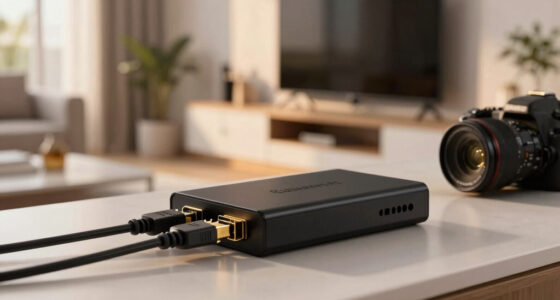
Finding the best AV receiver for an open concept room under $1500 involves balancing power, flexibility, and future-proofing. The Denon AVR-X1800H stands out as the overall best thanks to its 8K support, versatile connectivity, and ample channels for large spaces. The Yamaha RX300A is a solid contender for those prioritizing Dolby Atmos integration and user-friendly features. Meanwhile, the Onkyo TX-NR6100 offers robust THX certification and strong audio performance for demanding listeners. However, buyers must weigh tradeoffs like increased complexity versus ease of use and whether they need the latest HDMI standards or more straightforward setups. Continue reading for a complete breakdown of these options and how to choose the best fit for your space and budget.

Get audio and creator gear delivered free with Prime
- Fast, free delivery on millions of items
- Prime Video, Amazon Music and more included
- Member-only deals all year
Complete the kit


Key Takeaways
- The top-ranked AV receivers combine 8K video support with multiple channels for immersive sound in large spaces.
- Connectivity features like WiFi, Bluetooth, and multi-room audio are common among the best options, enhancing versatility.
- While higher power output benefits open concept rooms, some models prioritize ease of setup and user interface for beginners.
- Future-proofing with HDMI 2.1 and Dolby Atmos support remains a key factor for long-term satisfaction.
- Tradeoffs often involve balancing advanced features with simplicity—more features can mean a steeper learning curve.


| AV receiver for open concept room under $1500 | Channels | HDMI Inputs | Supports |
|---|---|---|---|
| Denon AVR-S570BT 5.2 Channel A | 5.2 | 4 | — |
| Yamaha RX300A 5.2-Channel Home | 5.2 | — | — |
| Denon AVR-X1800H 7.2 Channel A | 7.2 | 3 dedicated 8K/60Hz, 4K/120Hz | 8K/60Hz, Dolby Atmos, DTS:X |
| Denon AVR-S570BT 5.2 Channel A | 5.2 | 4 HDMI 2.1 8K inputs | HDR, HLG, Dolby Vision, HDR10+, Dynamic HDR |
| Denon AVR-X1700H 7.2 Channel A | 7.2 | 6 | 8K/60Hz, Dolby Atmos, DTS:X, HDR |
| Onkyo TX-NR6100 7.2 Channel TH | 7.2 | — | — |
| Onkyo TX-NR6050 7.2-Channel Ne | — | — | 8K/60Hz, 4K/120Hz, HDR, VRR, ALLM |
More Details on Our Top Picks
Denon AVR-S570BT 5.2 Channel AV Receiver (2022 Model)
The Denon AVR-S570BT stands out for providing 8K Ultra HD support at a competitive price point, making it an excellent choice for those who want future-proofing without overspending. Compared with the Yamaha RX300A, it offers more HDMI inputs (4 vs. 2) and dedicated eARC support, which enhances high-quality audio and video transmission. However, it’s a 5.2 channel system, limiting its surround sound capabilities compared to 7.2 models. The lack of detailed specs and the fact that it’s a renewed product could be drawbacks for buyers seeking reliability. This pick makes the most sense for budget-conscious buyers prioritizing 8K video support and simple wireless streaming with Bluetooth.
Pros:- Supports 8K Ultra HD for future-proof video quality
- Built-in Bluetooth for easy wireless streaming
- Multiple HDMI inputs including eARC for high-quality connectivity
Cons:- Limited description details may hinder troubleshooting
- Renewed product might have less warranty coverage
Best for: Budget-conscious consumers seeking 8K support and straightforward setup in smaller to medium open rooms
Not ideal for: Users needing more than 5.2 channels or advanced multi-room features, as it limits expandability
- Channels:5.2
- Model Year:2022
- HDMI Inputs:4
- Supports eARC:Yes
- Video Resolution:8K Ultra HD
- Power Output:70W per channel
Our verdict“Ideal for buyers wanting 8K support on a budget, with simpler home theater needs.”
Yamaha RX300A 5.2-Channel Home Theater AV Receiver with Dolby Atmos, 4K/120Hz HDMI, Bluetooth Multipoint
The Yamaha RX300A excels at delivering immersive Dolby Atmos and DTS Virtual:X sound, making it ideal for those who prioritize audio experience in open concept spaces. Its support for 4K/120Hz and 8K/60Hz passes through ensures sharp, high-res visuals, especially compared to the Denon AVR-S570BT’s simpler video support. The device’s easy setup and room correction features help maximize sound quality without requiring technical expertise. However, its 70W per channel may fall short in larger rooms, and the complexity of features could overwhelm users unfamiliar with home theater systems. This model is best suited for those who want premium surround sound without needing extensive power or customization options.
Pros:- Supports Dolby Atmos and DTS Virtual:X for immersive sound
- High-resolution 4K/120Hz and 8K/60Hz support
- Easy setup with room correction and on-screen menu
- Wireless streaming with Bluetooth Multipoint
Cons:- Power output may be insufficient for large, open spaces
- Complex features could require technical knowledge for optimal use
Best for: Homeowners seeking immersive Dolby Atmos sound with easy setup in medium-sized open spaces
Not ideal for: Large rooms or users who want higher power output or more customization options
- Channels:5.2
- Power:70W
- HDMI Support:4K/120Hz, 8K/60Hz, HDMI eARC/ARC
- Dolby Atmos:Yes
- DTS Virtual:X:Yes
- Color:Black
Our verdict“Best for those prioritizing immersive audio and high-quality visuals in mid-sized open rooms.”
Denon AVR-X1800H 7.2 Channel AV Receiver with 8K HDMI, WiFi, Bluetooth
The Denon AVR-X1800H offers 7.2 channels and support for 8K video, making it suitable for larger open spaces that benefit from more surround sound channels. Its multiple HDMI inputs (3 dedicated 8K/60Hz and 4K/120Hz pass-through) provide flexibility for connecting multiple devices, surpassing the 5.2 channel options of the Yamaha RX300A. Wireless streaming via HEOS, Bluetooth, and AirPlay 2 enhances convenience. Still, its setup can be complex for beginners, and its premium price may deter casual users. Compared to the AVR-S570BT, it’s a better choice for those seeking multi-channel surround sound with robust connectivity, but it requires more technical knowledge to optimize.
Pros:- Supports 8K video and 3D audio formats for immersive experience
- Multiple HDMI inputs with advanced pass-through
- Wireless multi-room streaming with HEOS and AirPlay 2
- Supports Dolby Atmos and DTS:X
Cons:- Complex setup may be challenging for beginners
- Higher price point may be less appealing to casual buyers
Best for: Home theater enthusiasts who want 7.2 channels and advanced multi-room streaming in larger open spaces
Not ideal for: Casual users or those with smaller rooms who do not need the extra channels or complex features
- Channels:7.2
- Power per channel:80W
- HDMI inputs:3 dedicated 8K/60Hz, 4K/120Hz
- Supports:8K/60Hz, Dolby Atmos, DTS:X
- Wireless Streaming:HEOS, Bluetooth, AirPlay 2
- Pre-Outs:Front L/R, Zone 2, Dual Subwoofer
Our verdict“Best suited for serious home theater fans looking for expanded surround sound and top-tier connectivity.”
Denon AVR-S570BT 5.2 Channel AV Receiver – 8K Ultra HD Audio & Video
The Denon AVR-S570BT makes this list again for its versatility and support for 8K HDMI inputs, matching the needs of users who want high-quality video and simple audio integration. It delivers 70W per channel and supports a wide array of HDR formats, making it suitable for cinematic gaming and streaming. Its straightforward setup and remote app control make it accessible for less tech-savvy users. Compared with its higher-powered sibling, the AVR-X1800H, this model offers fewer channels but maintains similar 8K functionality, making it ideal for smaller rooms or users who don’t require extensive surround sound.
Pros:- Supports 8K HDMI inputs for future-proof video
- Immersive surround sound with Dolby TrueHD and DTS-HD Master
- Easy setup with GUI and remote app
- Supports wireless streaming from major services
Cons:- Limited to 5.2 channels, restricting surround sound options
- No built-in Wi-Fi, relies on Bluetooth for streaming
Best for: Those who want 8K support with simple setup and don’t need more than 5.2 channels
Not ideal for: Large rooms or users needing extensive multi-channel configurations for a more enveloping experience
- Channels:5.2
- Power Output:70W x 5
- HDMI Inputs:4 HDMI 2.1 8K inputs
- Supports:HDR, HLG, Dolby Vision, HDR10+, Dynamic HDR
- Audio Formats:Dolby TrueHD, DTS-HD Master
- Bluetooth:Built-in
Our verdict“Great for buyers seeking 8K video support with straightforward operation in smaller or medium spaces.”
Denon AVR-X1700H 7.2 Channel AV Receiver – 80W/Channel, Built-in HEOS
The Denon AVR-X1700H stands out for supporting 7.2 channels and a broad range of modern features like built-in HEOS for multi-room streaming and voice control compatibility with Alexa, Google Assistant, and Siri. Its 80W per channel provides ample power for larger open spaces, and support for the latest 8K/60Hz video pass-through enhances future-proofing. Compared to the Yamaha RX300A, it offers more channels and better multi-room integration, but the setup process could challenge beginners. This receiver is best suited for users who want a flexible, multi-channel system with voice control and multi-room streaming capabilities.
Pros:- Supports latest 8K/60Hz video and 3D audio formats
- Multiple HDMI inputs and outputs for versatile connections
- Built-in HEOS for multi-room streaming
- Voice control compatibility with major assistants
Cons:- Setup can be complex for beginners
- Relatively high energy consumption
Best for: Enthusiasts wanting 7.2 surround sound with integrated voice control and multi-room features
Not ideal for: Users with smaller spaces or those who prefer simpler, plug-and-play solutions
- Channels:7.2
- Power per channel:80W
- HDMI inputs:6
- Supports:8K/60Hz, Dolby Atmos, DTS:X, HDR
- Voice control:Alexa, Google, Siri
- Streaming:Spotify, Pandora, Amazon Music HD, TIDAL, Deezer
- Built-in:HEOS
Our verdict“Ideal for those seeking a feature-rich, multi-channel receiver with voice and multi-room support in larger open rooms.”
Onkyo TX-NR6100 7.2 Channel THX Certified Network AV Receiver – Black
The Onkyo TX-NR6100 stands out for its robust 210W per channel output, making it well-suited for large open rooms where volume and clarity are priorities. Its THX Certified Select status guarantees high-quality audio, comparable to the more feature-rich Onkyo TX-NR6050, but with a focus on pure power and immersive sound. The inclusion of 8K HDMI 2.1 with 40Gbps bandwidth offers a significant advantage for future-proofing, especially if you plan to upgrade your display or gaming setup. However, its setup can be complex for newcomers, and it requires compatible speakers to realize its full potential. Compared to the Onkyo TX-NR6050, which excels in video features and streaming, this receiver emphasizes audio performance, making it ideal for audiophiles and those with a sizable, open space.
Pros:- Powerful 210W per channel for large spaces
- Supports Dolby Atmos and DTS:X for immersive audio
- 8K HDMI 2.1 with 40Gbps bandwidth ensures compatibility with future devices
- THX Certified for high-quality, cinema-grade sound
Cons:- Setup can be challenging without technical knowledge
- Lack of detailed pricing information makes it harder to gauge value
Best for: Large open room owners who prioritize high power, immersive sound, and future-proof HDMI connectivity.
Not ideal for: Casual users or beginners who prefer a simpler setup and fewer features to configure.
- Power:210 W/Ch
- Channels:7.2
- Certification:THX Certified Select
- Audio Formats:Dolby Atmos, DTS:X
- HDMI:8K with HDMI 2.1 40Gbps
- Zone 2:Discrete Zone 2 Audio and Video
Our verdict“This receiver is best suited for users seeking high power and future-proofed audio, willing to handle a more complex setup.”
Onkyo TX-NR6050 7.2-Channel Network Home Theater AV Receiver with 8K/60 and 4K/120Hz Support
The Onkyo TX-NR6050 makes a compelling choice for those who want a receiver that excels in delivering crisp, high-quality video alongside immersive audio. Its support for 8K/60Hz and 4K/120Hz ensures compatibility with the latest gaming consoles and high-end displays, surpassing the Denon AVR-S570BT in video capabilities. Built-in streaming services like Spotify and TIDAL, along with smart home compatibility, make it a versatile hub for a connected home. The downside is that its setup can be overwhelming due to the multitude of features, and its size and weight demand ample space. While it offers less power at 90W per channel compared to the Onkyo TX-NR6100, it compensates with a richer feature set focused on video quality and smart integration, making it ideal for tech-savvy users who want a balanced home theater experience.
Pros:- Supports 8K/60Hz and 4K/120Hz for high-end video playback
- Built-in streaming services and smart home compatibility
- Supports HDMI 2.1 features including VRR and ALLM
- Integrated with popular streaming platforms for convenience
Cons:- Setup complexity may be daunting for less experienced users
- Heavy and large, requiring significant space and proper mounting
Best for: Homeowners wanting cutting-edge video support and integrated streaming in a single receiver for open concept spaces.
Not ideal for: Users seeking maximum power for large rooms or those with minimal interest in streaming or smart features.
- Number of channels:7.2
- HDMI ports:8
- Power per channel:90 watts
- Supports:8K/60Hz, 4K/120Hz, HDR, VRR, ALLM
- Built-in streaming:Spotify, TIDAL, Deezer, TuneIn, Pandora
- Smart home:Apple Airplay, Alexa, Google
Our verdict“This receiver is ideal for those prioritizing the latest video features and seamless streaming, even if it involves a steeper setup learning curve.”

How We Picked
These AV receivers were evaluated based on performance in large, open spaces, focusing on power handling, sound quality, and expandability. We prioritized models that support the latest video standards like 8K HDMI and Dolby Atmos, ensuring compatibility with future devices. Ease of setup and user interface were also key, especially for those less experienced with home theater systems. Value for money was considered by comparing features relative to price, with an emphasis on models offering the most comprehensive set of capabilities within the $1500 budget. The ranking reflects a balance of technical prowess, usability, and long-term relevance for open concept room setups.Factors to Consider When Choosing Best AV Receiver For Open Concept Room Under $1500
Choosing the right AV receiver for an open concept room under $1500 involves more than just raw power. You need to consider how well it supports your existing and future devices, how easy it is to operate, and whether it can handle the size and acoustics of your space. Beyond the specs, understanding tradeoffs like complexity versus simplicity and the importance of future-proofing can help ensure you make a satisfying long-term investment.Power and Channel Count
In large open spaces, higher power output helps fill the room with sound without distortion. A receiver with at least 7 channels is preferable, as it offers more flexibility for surround sound setups. More channels enable immersive audio experiences, especially when adding ceiling speakers or multiple zones. However, more power and channels often come with increased cost and complexity, so assess your specific room size and desired audio experience before opting for the highest specs.
Video Support and Future-Proofing
Support for 8K HDMI, HDMI 2.1, and Dolby Atmos are critical features that future-proof your system. These standards ensure compatibility with the latest TVs, gaming consoles, and streaming devices, avoiding the need for frequent upgrades. Keep in mind that some models may support these standards but lack other features you may want, so weigh the importance of video quality versus audio and usability enhancements.
Connectivity Options
Wireless connectivity like WiFi and Bluetooth allows for easier streaming and multi-room audio. Look for models with built-in support for platforms such as Spotify, Apple AirPlay, or HEOS, which can add convenience. Ethernet ports and multiple HDMI inputs also matter, especially if you plan to connect several devices. Remember, more ports and features can increase complexity, so consider your comfort level with setup and operation.
Ease of Use and Setup
Some receivers come with sophisticated calibration tools and intuitive apps, making setup smoother. Others may be more feature-rich but require a steeper learning curve. If you’re new to home theater systems, prioritize models with straightforward menus and good customer support. Advanced audiophiles might tolerate complexity for added control, but beginners should choose systems that balance power with simplicity.
Build Quality and Reliability
Investing in a reputable brand with good reviews can save headaches down the line. Look for sturdy construction, reliable components, and good after-sales support. A durable receiver is especially important in open spaces where the system works harder to fill the room. While premium options often offer better build quality, some mid-range models deliver excellent durability for their price.
Frequently Asked Questions
How do I determine the right power output for my open concept room?
Power output, measured in watts per channel, determines how loud and clear your system can get in a large space. For open concept rooms, a receiver with at least 100W per channel is advisable, but larger rooms may benefit from higher wattage to avoid distortion at higher volumes. Consider your room size, speaker efficiency, and listening volume preferences. Overestimating power can lead to unnecessary expense, but underpowering may result in weak sound and poor dynamics.
Is Dolby Atmos essential for open concept rooms?
Dolby Atmos enhances immersion by adding height channels, which can make a significant difference in large spaces. However, it’s not strictly essential if your primary goal is straightforward surround sound. If you want a truly enveloping experience and your ceiling height allows for additional speakers, Atmos support is worth considering. Keep in mind that Atmos setups require additional speakers and calibration, which can increase complexity and cost.
Should I prioritize HDMI 2.1 support or audio features?
If you have or plan to get the latest gaming consoles, 8K TVs, or want to future-proof your system, HDMI 2.1 support is a wise choice. However, if your focus is on audio quality and multi-room streaming, features like Dolby Atmos, DTS:X, and multi-zone capability might be more relevant. Balance your current device ecosystem with anticipated upgrades to select the most beneficial features for your setup.
Are more expensive AV receivers worth the extra investment?
Higher-priced models often offer better build quality, more advanced features, and greater power, which can improve performance in large spaces. However, they may also include features you don’t need, leading to unnecessary expense. For many users, a well-chosen mid-range receiver will provide excellent sound and video quality without overpaying. Consider your specific needs and whether premium features justify the price difference for your use case.
Can I upgrade my existing speakers with a new AV receiver under $1500?
Absolutely. A new receiver can breathe new life into your current speaker setup by providing better amplification, improved audio processing, and more versatile connectivity. Just ensure the receiver’s power output and impedance compatibility match your speakers. Upgrading your AV receiver is often a cost-effective way to enhance overall sound quality and add features like multi-zone audio or higher-resolution passthrough.
Conclusion
For large open concept rooms, the Denon AVR-X1800H stands out as the best overall choice, providing a balanced mix of power, future-proofing, and user-friendly features. The Yamaha RX300A makes a compelling option for those prioritizing Atmos and ease of use, especially for mid-sized spaces. If budget or simplicity are key, the Denon AVR-S570BT offers good value with solid features. Beginners should lean toward models with straightforward setup and controls, while avid home theater enthusiasts might prefer premium models with more channels and advanced video standards. Ultimately, your choice hinges on your room size, desired features, and how much you’re willing to invest in future-proofing your system.